Shrubs
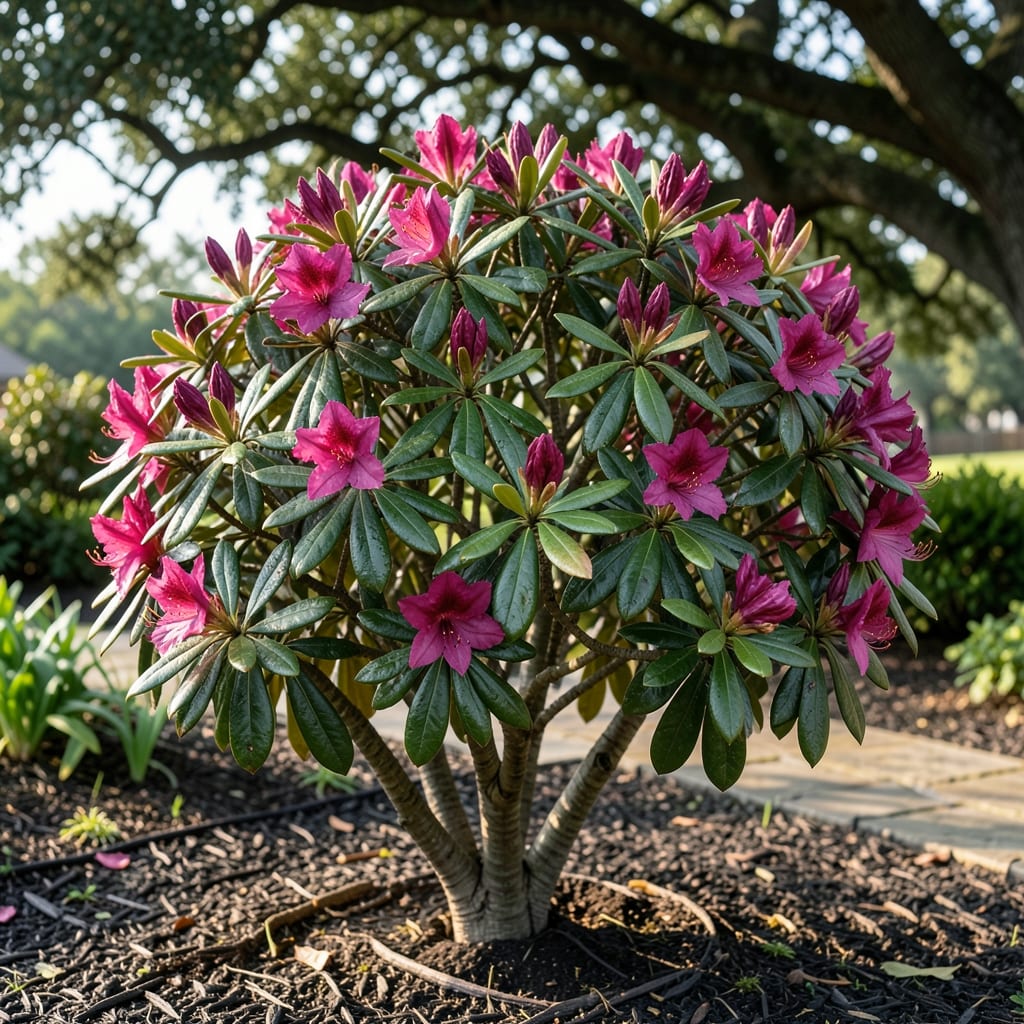
If you're wondering "azalea how tall do they grow", the answer might surprise you—these stunning 🌸 shrubs can range from tiny container-friendly plants to towering landscape stars, depending on the variety and care you provide.
Picture this: a delicate 1-foot-tall dwarf azalea gracing your patio table one season, then a 12-foot giant azalea creating a dramatic focal point in your yard the next. The key difference? Species selection, growing conditions, and a little pruning know-how.
Whether you're planning a cozy garden bed or need to keep your azaleas from overshadowing your deck, understanding their growth potential is the key to happy plants and happy neighbors. Let's break down the height variations and how to manage them.
From dwarf varieties perfect for small spaces to standard-sized shrubs that thrive as privacy screens, we'll cover everything you need to know to choose—and control—the right height for your 🌸 azaleas.

Azalea height variations by species: from dwarf to giant varieties
When planning your garden, knowing azalea height variations helps you choose the perfect variety for your space. Azaleas belong to the Rhododendron genus and come in stunning colors like pink, purple, and white. Their mature height can vary dramatically—some stay as small as 1 foot, while others reach 12 feet or more!
The height of your azalea depends on its species, growing conditions, and care. For example, dwarf azaleas like 'Girard's Pink' stay under 3 feet, making them ideal for containers or small gardens. Meanwhile, standard varieties like 'Birkdale Pink' can grow up to 10 feet tall, perfect for hedges or privacy screens.
Here’s a quick look at how azalea species compare in height, so you can pick the right one for your garden:
Climate plays a role too! Azaleas in warmer USDA zones (7–9) tend to grow taller and bushier, while those in cooler zones (4–6) may stay smaller due to slower growth. For example, a 6-foot azalea in Zone 7 might only reach 4 feet in Zone 5 without extra care.
Soil acidity also affects height. Azaleas thrive in acidic soil (pH 4.5–6.0). If your soil is alkaline, they’ll struggle to reach their full potential. Amending with peat moss or sulfur can help them grow taller and healthier.
Sunlight matters too! While azaleas prefer partial shade (4–6 hours of sun), too much direct sun can stunt their growth. In hot climates, afternoon shade is a must to prevent leaf scorch and promote steady height growth.
If you’re unsure which variety to pick, start with a semi-dwarf azalea like 'Southern Indica'—it’s versatile, easy to care for, and fits well in most gardens. For a bold statement, go for a standard variety like 'Knaphill Hybrid' and pair it with pruning to keep it manageable.
Now that you know the height ranges, you can plan your garden layout with confidence. Next, we’ll cover how to prune azaleas for controlled height so they stay exactly where you want them!
How to prune azaleas for controlled height: step-by-step guide
Pruning is the secret weapon for keeping your azaleas at your desired height—whether you want a compact 3-foot shrub or a neat 6-foot hedge. The best time to prune is late winter or early spring, just as new growth begins but before buds swell. This timing ensures you don’t accidentally cut off next year’s flowers, which form on old wood.
Start by gathering your tools: sharp bypass pruners for clean cuts, hand pruners for smaller branches, and gloves to protect your hands from thorns. Avoid using dull tools—they crush stems and invite disease. Remove any dead, diseased, or crossing branches first, as these can stunt growth or spread problems to healthy parts of the plant.
Here’s a simple step-by-step guide to pruning your azaleas for controlled height:
- Step 1: Assess the Shape – Stand back and visualize your desired height. Use a string line if needed to mark where you want the top of the shrub to be.
- Step 2: Cut at the Right Angle – Make cuts just above a bud or branch junction, angled slightly downward to prevent water from pooling. Never leave stubs.
- Step 3: Thin Out the Center – Focus on removing branches from the interior of the shrub to improve airflow and light penetration. This encourages bushier growth at the base.
- Step 4: Shape Gradually – Avoid drastic cuts. Remove no more than 25% of the plant’s height in one season to prevent shock.
- Step 5: Clean Up – Remove all pruned branches from the area to reduce the risk of fungal diseases. Sterilize your tools with rubbing alcohol between cuts if your azalea shows signs of disease.
For formal hedges, use a handheld hedge trimmer to create clean, even edges. For a more natural look, focus on thinning and shaping rather than shearing. Remember, azaleas bloom on old wood, so avoid heavy pruning in late summer or fall, as this can reduce next year’s flowers.
If your azalea is overgrown or leggy, don’t panic. You can gradually restore its shape over 2-3 years by making small cuts each season. For example, if your azalea is 8 feet tall but you want it at 5 feet, reduce it by 1 foot per year to avoid stressing the plant.
Pro tip: Prune after flowering if you’re dealing with a late-blooming variety. This gives you time to shape the shrub while still allowing it to set buds for the next season. With consistent pruning, you’ll keep your azaleas looking neat, healthy, and at your desired height for years to come.