Size
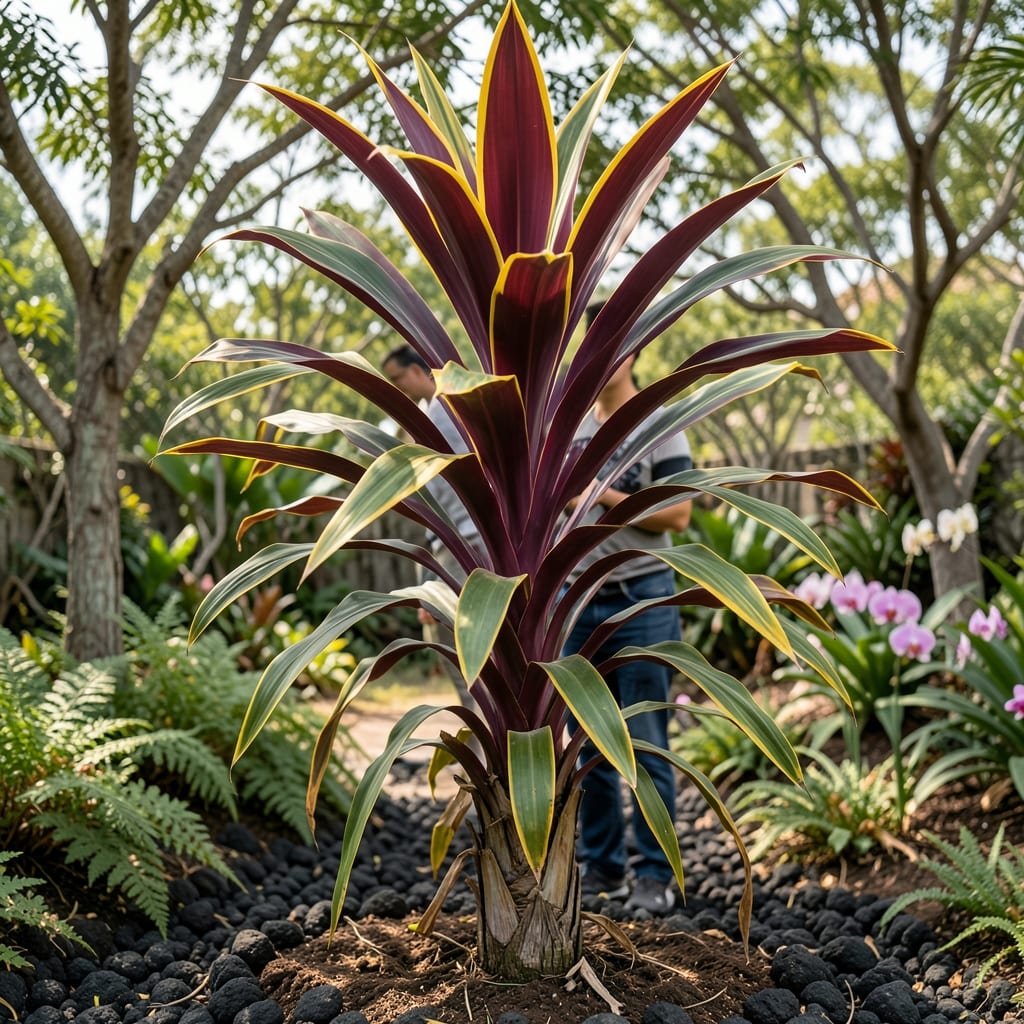
Cordyline varieties and their maximum heights: a complete guide
Cordyline plants are famous for their striking foliage and adaptability, but their height variations can be shocking. Some stay under 3 feet, perfect for containers, while others reach 20 feet or more, making them small trees. The key to choosing the right variety lies in understanding their mature sizes and growth habits.
If you’re planning your garden layout, knowing these heights helps you avoid overcrowding or underutilized space. For example, a Cordyline fruticosa can tower over your patio, while a Cordyline stricta stays neatly contained. Let’s break down the most popular varieties and their maximum heights so you can pick the perfect fit for your space.
🌱 Tip: Always check your local climate zone—some varieties grow taller in warmer regions but stay compact in cooler areas.
| Variety | Common Name | Mature Height (ft) | Growth Rate | Best For |
|---|---|---|---|---|
| Cordyline fruticosa | Ti Plant | 10–20 ft | Moderate-Fast | Large gardens, tropical landscapes |
| Cordyline australis | Cabbage Palm | 6–12 ft | Slow-Moderate | Coastal gardens, windbreaks |
| Cordyline stricta | Red Ti | 3–6 ft | Slow | Containers, small patios |
| Cordyline 'Atropurpurea' | Purple Ti | 4–8 ft | Moderate | Accent plants, mixed borders |
| Cordyline 'Sunset' | Sunset Cordyline | 4–6 ft | Slow-Moderate | Containers, indoor-outdoor plants |
| Cordyline 'Little Kitten' | Dwarf Cordyline | 2–3 ft | Very Slow | Patios, window boxes |
The Cordyline fruticosa, or Ti Plant, is the tallest variety, often reaching 20 feet in ideal conditions. It thrives in tropical climates and can become a small tree with proper care. If you’re in a cooler zone, expect it to stay shorter—around 10 feet—but it will still make a bold statement.
For smaller spaces, Cordyline stricta and 'Little Kitten' are excellent choices. These dwarf varieties max out at 3–6 feet, making them perfect for containers or window boxes. Their compact size also means they’re easier to move if you need to adjust your garden layout.
If you love colorful foliage, 'Atropurpurea' and 'Sunset' are standout picks. Both grow to 4–8 feet and add vibrant purples, pinks, and yellows to your garden. Their moderate growth rate means you’ll enjoy their beauty for years without them becoming unmanageable.
One common mistake is assuming all Cordylines grow the same way. For instance, Cordyline australis (Cabbage Palm) grows slower but can still reach 12 feet in coastal areas. Its wind-resistant nature makes it ideal for beachside gardens.
When planning your garden, consider not just the height but also the width of mature plants. Some Cordylines spread 3–5 feet wide, so give them space to avoid overcrowding. For example, a 10-foot-tall Cordyline needs at least 5 feet of clearance on all sides.
🌿 Pro Tip: If you’re unsure about a variety’s growth, check local nursery reports or ask experienced gardeners in your area—they’ll know how climate affects height.
How to control Cordyline growth: pruning, staking, and care tips
Once you’ve chosen your Cordyline variety, managing its height becomes key—especially for taller types like Cordyline fruticosa, which can quickly outgrow small spaces. The good news? With the right techniques, you can guide growth, prevent legginess, and keep your plant healthy. Pruning isn’t just about trimming back overgrowth; it’s about encouraging bushier growth and maintaining structural integrity.
Start by understanding your plant’s natural growth cycle. Most Cordylines grow fastest in spring and summer, so this is when you’ll see the most dramatic height increases. If you’re growing a tall variety like 'Ti Plant,' expect 1–2 feet of new growth per year in ideal conditions. For slower growers like Cordyline stricta, you might see only 6–12 inches annually.
⚠️ Callout Warning: Avoid heavy pruning in winter—this is when Cordylines are semi-dormant, and aggressive cuts can stress the plant. Wait until early spring to stimulate new growth.
- Cutting too late: Prune after new growth appears in spring, not fall.
- Over-pruning: Never remove more than 1/3 of the plant at once.
- Dirty tools: Always sterilize shears with rubbing alcohol to prevent disease.
🌿 Pro Tip: Use sharp, clean pruners to make clean cuts just above a leaf node.
For tall Cordylines, staking becomes essential once they reach 4–5 feet. Use bamboo stakes or metal supports to prevent flopping, especially in windy areas. Tie the stems loosely with soft plant ties or old pantyhose to avoid damaging the bark. This isn’t just for aesthetics—it also protects against breakage during storms or heavy rains.
Another game-changer is fertilizing strategically. Use a balanced 10-10-10 fertilizer in spring and early summer to fuel growth, but reduce feeding in fall and winter. Over-fertilizing can lead to salt buildup in soil, which stunts growth. Always water thoroughly after fertilizing to flush excess nutrients away from the roots.
If your Cordyline develops long, leggy stems, it’s a sign of insufficient light. Move it to a brighter spot (but avoid harsh afternoon sun) and prune the leggy growth back to encourage denser foliage. For indoor Cordylines, a south- or east-facing window is ideal—just keep it 3–5 feet away from the glass to prevent leaf scorch.
Finally, remember that patience pays off. Cordylines grow slowly at first but accelerate as they mature. With proper care, even a 6-foot-tall plant can thrive for decades, adding year-round interest to your garden with its colorful foliage. 🌿