Vegetables
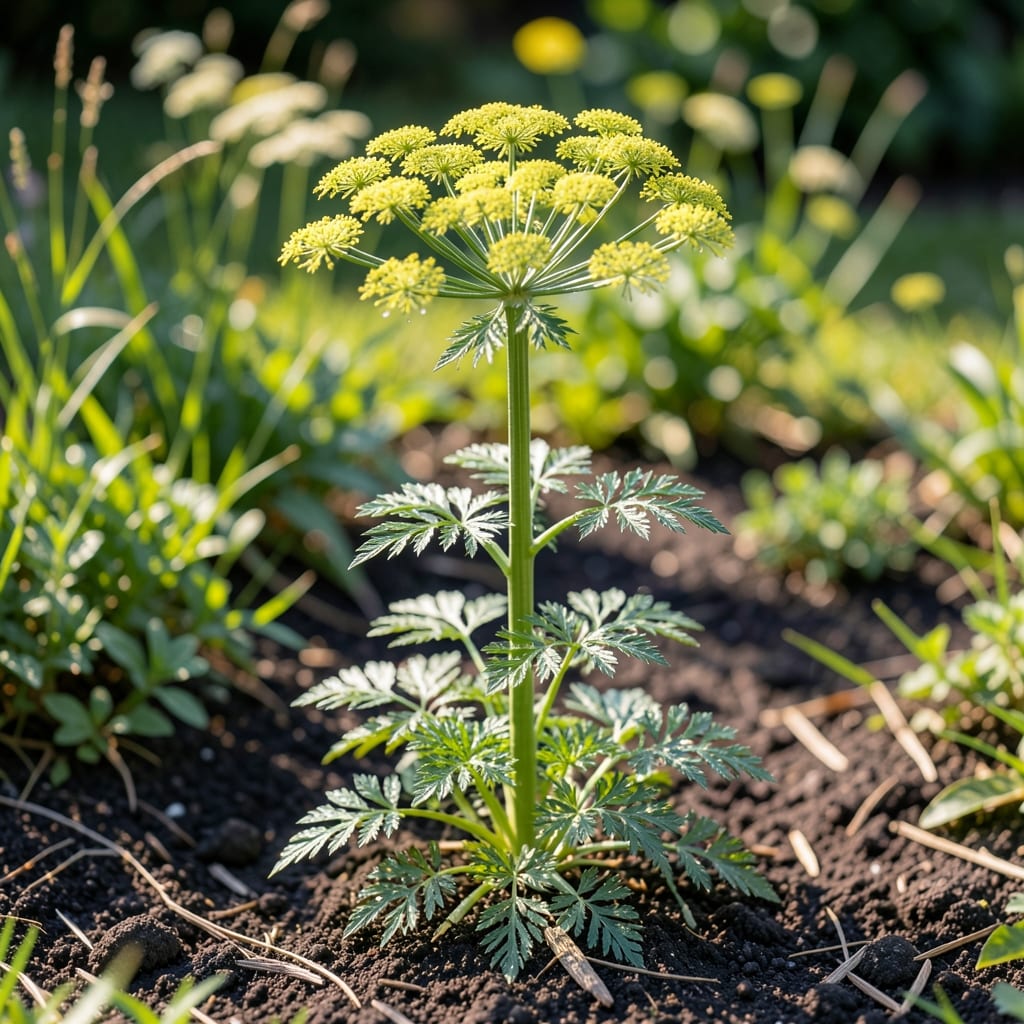
If you’ve ever wondered how tall can dill grow and whether it’ll turn your garden into a jungle, you’re in the right place. This feathery herb 🌿 can shoot up like a sky-scraper—some varieties reaching 5 feet or more—while others stay compact and manageable.
But here’s the catch: dill’s height depends on more than just genetics. Growing conditions, pruning habits, and even your planting window in USDA Zone 6a play a huge role. Whether you’re working with a spring-planted seedling or a mature plant, understanding these factors will help you control its growth—without sacrificing flavor or yield.
In this guide, I’ll break down the height ranges for popular dill varieties, share pruning tips to keep it in check, and reveal the 3 biggest mistakes that make dill grow wild. By the end, you’ll know exactly how to nurture your dill—whether you want a towering border plant or a bushy container-friendly herb.
Ready to turn your dill from a space-hog into a garden star? Let’s dive in.


Dill height by variety: from compact to towering growth
Dill’s height range can surprise even seasoned gardeners. While some varieties stay under 2 feet, others shoot up to 5 feet or taller—making them perfect for tall garden borders or even as natural privacy screens. The key difference lies in the variety and whether it’s grown as an annual or biennial.
Most home gardeners grow dill as an annual herb, but it can self-seed and return as a biennial in mild climates like USDA Zone 6a. Biennial dill often grows taller in its second year, reaching its maximum height of 5 feet by late summer. Let’s explore the most popular varieties and their growth habits.
🌱 Did You Know? The tallest dill varieties, like Mammoth or Russian dill, can grow 3x faster than their compact cousins when given ideal conditions.
If you’re growing dill in containers, opt for Bouquet or Dwarf Yellow varieties—they thrive in 5-gallon pots and rarely exceed 2 feet. For outdoor gardens, Fernleaf is a great middle-ground, balancing height and bushiness.
One critical factor influencing height is sunlight exposure. Dill in full sun (6+ hours/day) grows 20% taller than those in partial shade. In USDA Zone 6a, plant dill in south-facing beds for optimal growth.
For biennial growth, allow some plants to bolt and flower in their first year. The seeds they produce will sprout in spring, often reaching maximum height by early summer. This is how dill naturally self-seeds and returns year after year.
Pro tip: If you want leafy growth instead of tall flower stems, prune regularly to redirect energy toward foliage. I’ll cover this in detail in the next section—where I’ll show you exactly how to control dill height without sacrificing yield.
How to control dill height: pruning and harvesting techniques
Pruning is the secret weapon for controlling dill’s height and encouraging lush leafy growth instead of towering flower stems. When done correctly, pruning can reduce a 5-foot dill plant to a manageable 2-foot bush—without sacrificing flavor or yield. The key is timing and technique, which I’ve perfected over years of growing dill in USDA Zone 6a gardens.
Start pruning when your dill reaches 6–12 inches tall. Use clean, sharp pruning shears to snip just above a set of leaves, leaving at least 2–3 inches of stem. This encourages the plant to branch out, creating a fuller, more compact shape. For container-grown dill, prune more aggressively to prevent overgrowth in tight spaces.
✂️ Pro Tip: Always prune in the morning when plants are hydrated. This reduces stress and helps them recover faster. Avoid pruning in the evening, as damp foliage can invite fungal diseases like powdery mildew.
- 🌱 Step 1: Wait until dill reaches 6–12 inches tall before first prune.
- ✂️ Step 2: Cut 1/3 of the top growth just above a leaf node.
- 🌿 Step 3: Repeat every 2–3 weeks to encourage bushiness.
- 🌞 Step 4: Prune early in the morning for best results.
- 📝 Step 5: Harvest leaves by pinching stems (no shears needed).
Harvesting leaves regularly is another game-changer for controlling height. Unlike pruning, which shapes the plant, harvesting focuses on leaf production. Simply pinch off outer leaves or small stems with your fingers. This signals the plant to produce more foliage instead of sending energy upward to flower.
If you’re growing dill for seeds, let some stems bolt and flower—but only after they’ve reached their maximum height. Once seeds form, cut the entire stem and hang it upside down in a paper bag to dry. This preserves your dill’s height while still allowing you to harvest seeds for next year.
For container gardening, prune more frequently—every 1–2 weeks—to prevent roots from becoming root-bound. Dill in pots grows 20% slower than in-ground plants, so regular pruning keeps it from outgrowing its space. If your dill starts to flop over, it’s a sign you’ve waited too long to prune.
Remember: Consistent pruning is the key to managing dill height. Whether you want a compact herb garden or a tall border plant, these techniques will keep your dill under control—while still packing in that fresh, feathery flavor we all love.