What this work is made with
This page is a list of things, not a story. The tools and materials that shape what you read here are not metaphors—they are the actual things that hold it together. A garden grows from seeds, soil, and sunlight, not from words alone. Green Thumb is built the same way.
We publish advice, tips, and quiet revelations about growing things. But the work itself is made of hands-on objects: worn tools, humble materials, and the quiet labor of someone who has spent years learning how to listen to plants. These are the things that make the work real.
The things that do the work
Four objects keep this work alive. They are not special—they are the same things any gardener uses, just treated with care. Some are broken, some are cheap, but none could be left out.
Pruning shears
These are the original shears I bought in 1998, when my father taught me how to trim roses. The handles are split at the seam, and the blades are uneven now, but they still cut cleanly if you angle them right.
The screw that holds the pivot is loose, so I tighten it every few uses.
They taught me that tools don’t have to be perfect to work. The first time I used them, I nicked my thumb so badly I had to wrap it in a bandana.
Now, I notice how other people hold their shears—whether they grip too tight or let the blades do the work. The uneven cut is a reminder: precision matters, but so does patience.
A cracked terracotta pot
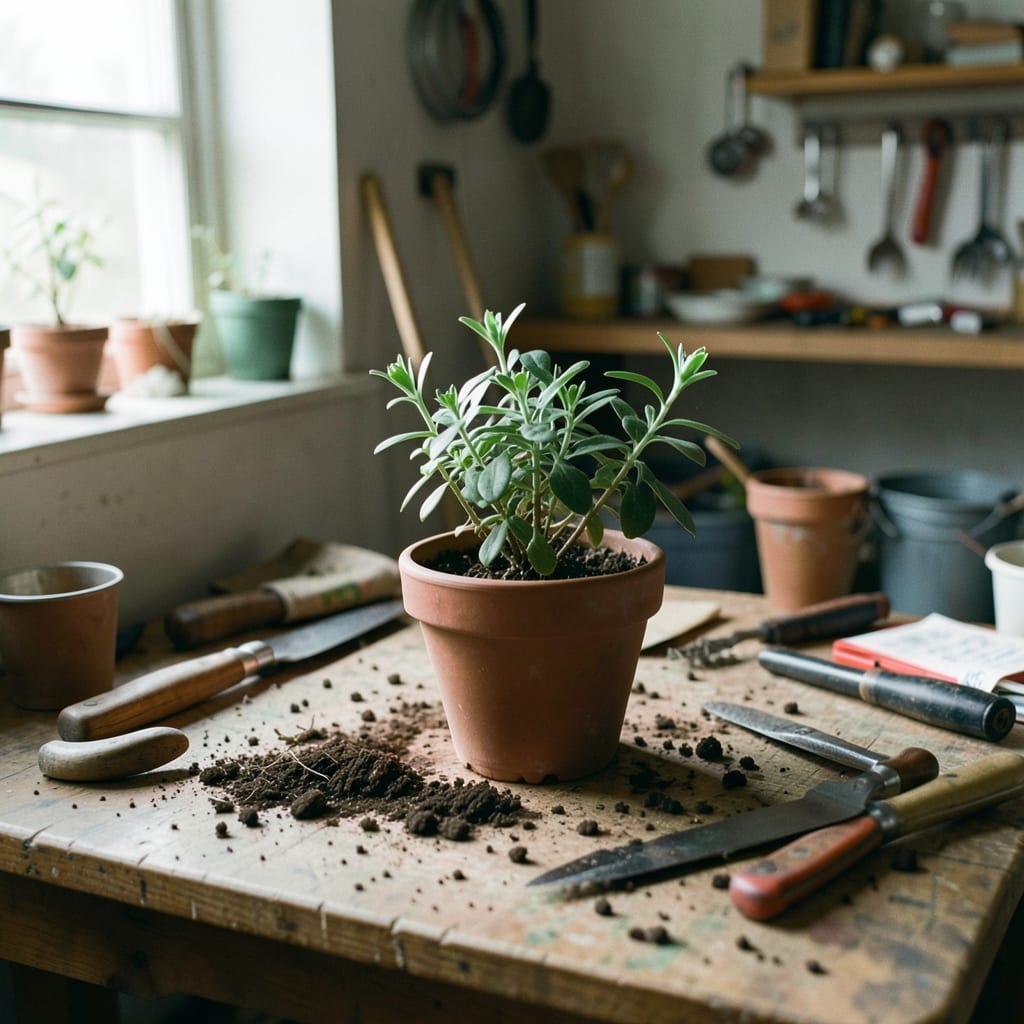
This pot has been in my garden since 2005, when I planted my first basil. It’s missing a chunk from the rim, and the glaze is worn thin in places, but it holds moisture better than any of the new ones.
The crack runs from the base up one side—it’s been leaking for years, but I keep it because it never dries out.
It taught me that imperfection can be an advantage. The first time I repotted something into it, the soil spilled everywhere. Now, I use it for seedlings because the uneven drainage prevents rot.
Some of the best plants I’ve grown came from this pot, even though it’s held together with duct tape at the base.
A wooden plant label holder
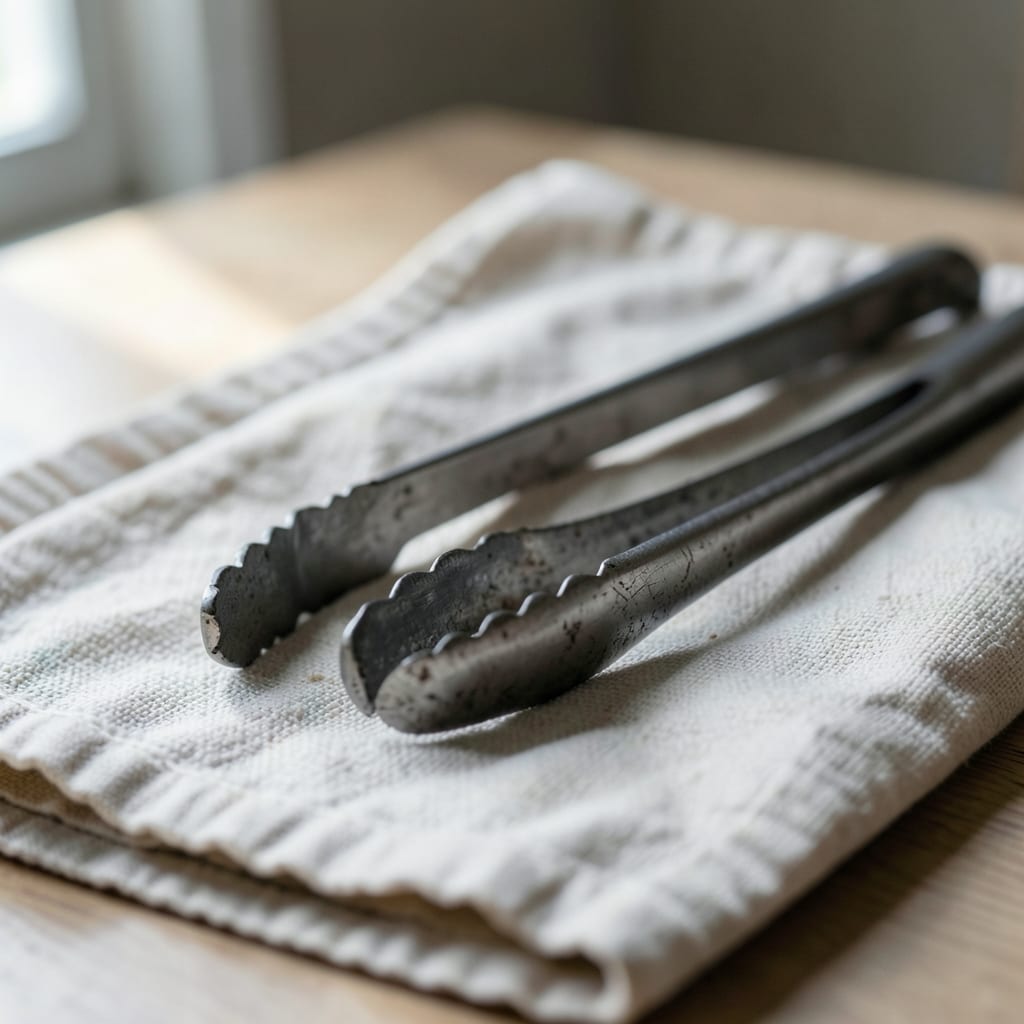
This is a scrap of pine, sanded smooth, with notches cut into the side to hold slips of paper. It’s held together with two rusted nails and a dab of old glue.
The wood is warped from years of sitting outside, and the notches are uneven, but it’s still the only thing that keeps my labels from blowing away.
It taught me that organization is just another kind of gardening. The first time I tried to use it, the labels kept falling out. Now, I wedge them in at an angle, and I notice how other people label their plants—whether they use sticks, rocks, or nothing at all.
The uneven notches mean I have to pay attention.
A bent kitchen spoon
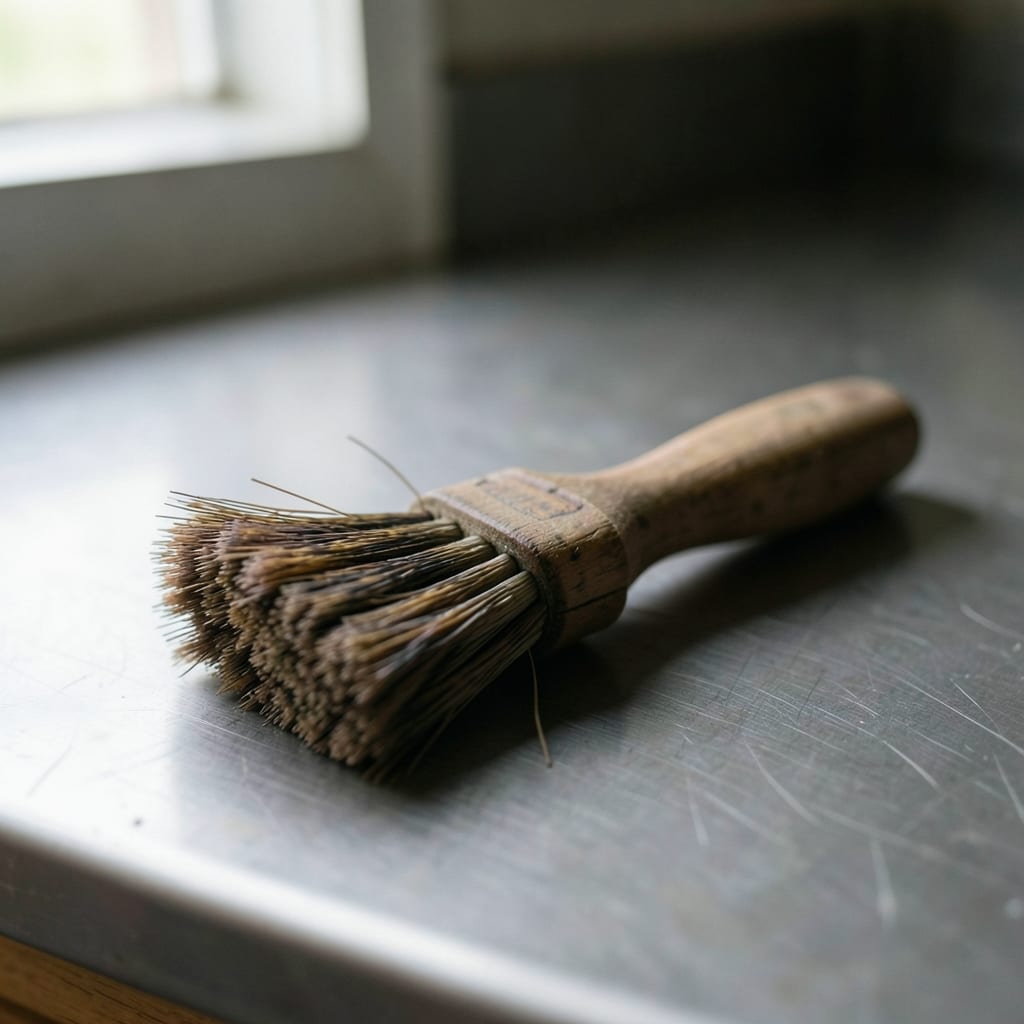
This spoon was never meant for gardening. It’s the one I use to mix potting soil, press seeds into trays, and scrape up compost. The handle is bent where I dropped it on a rock, and the bowl is chipped from years of scraping against the sides of buckets.
It’s the only tool I take into the garden—no fancy trowels, no expensive implements.
It taught me that the right tool isn’t always the shiniest one. The first time I used it, I nearly snapped the handle trying to dig a hole for a bulb. Now, I use it to stir compost, level soil, and even pry out stubborn weeds.
The bend in the handle means I have to adjust my grip, which makes me think about how I’m doing the work.
What is not in the drawer
This work depends on a few things that are conspicuously absent. None of them are missing by accident.
Deliberately absent
- A camera. Every photograph here is drawn, not taken—because gardens are about light and shadow, not perfection.
- A schedule. There are no deadlines, no rush. Plants grow when they’re ready, not when we tell them to.
- A budget. No expensive tools, no branded equipment. What works is what lasts.
- A voice that isn’t mine. This is my garden, my lessons, my mistakes. If you want someone else’s advice, you’ll have to look elsewhere.
Behind the scenes

I am Bernice Radcliffe, the founder and editor of Green Thumb. I am the one who writes the words, answers the questions, and occasionally gets pricked by thorns while trying to take a photograph that turns out blurry anyway.
I came to this from a small plot in upstate New York, where my grandmother grew tomatoes and my father taught me that the best fertilizer is patience.
He handed me those pruning shears when I was twelve, and I’ve been learning from them ever since—how to hold them, when to cut, and why some plants just won’t grow no matter what you do.
This work has given me a permanent ache in my left thumb from gripping shears too tight, and a habit of noticing how other people garden—the way they kneel, how they hold their tools, whether they talk to their plants.
I can’t walk past a garden now without wondering what’s growing underneath the mulch.
I am here to write about the quiet, stubborn magic of growing things. Not the glamorous side, not the perfect Instagram shots, but the real work: the dirt under the nails, the plants that surprise you, and the lessons learned when something dies anyway.
This site is for the people who garden because they love it, not because they’re trying to win.
Why any of this matters to you
These things—the shears, the pot, the spoon, the labels—are why the advice here feels real. They are the marks of someone who has actually done the work, not just read about it.
You’ll see it in the way we talk about soil, the patience we urge when a seedling takes its time, and the quiet pride when something finally thrives.
Every page here is shaped by these objects: the uneven cuts from the shears, the lessons from the cracked pot, the habit of paying attention that comes from a bent spoon.
There are no perfect solutions, no quick fixes—just the same tools, the same mistakes, and the same quiet joy of watching something grow.
You’ll find no step-by-step guides that promise instant results. Instead, you’ll get the same things that have worked for years: honest advice, drawn photographs, and the occasional reminder that gardening is as much about failure as it is about success. The contact page is always open if you want to share your own stories.
The guides are grouped by category: Companion Plants, Flowers, How To, Light Requirements, Orchid Care and Plants.