How To
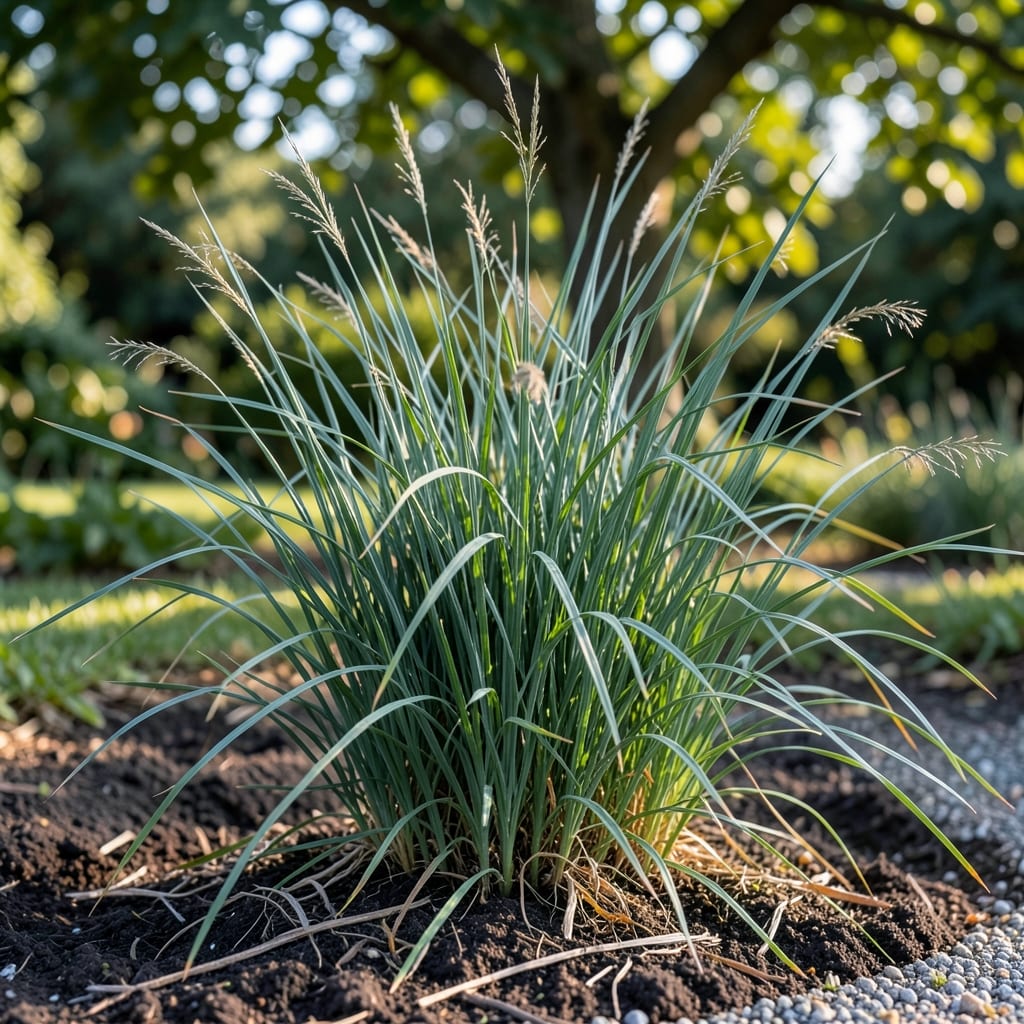
Wondering how long for tall fescue to grow into that thick, vibrant lawn you’ve been dreaming of? The answer isn’t just about time—it’s about patience, the right conditions, and knowing exactly what to expect at each stage. This cool-season grass 🌱 doesn’t transform overnight, but with the proper care, you’ll see noticeable progress in just 3 weeks.
From the moment those tiny seeds hit the soil, germination kicks in within 5 to 10 days, provided the temperature stays between 60°F and 75°F. But here’s the catch: those first sprouts are fragile, and rushing the process can backfire. Too much water or shade will slow things down, while ideal sunlight and moisture speed up the timeline—think of it like giving your lawn a head start.
By week 3, your tall fescue should be standing tall enough to mow, but don’t expect a dense carpet just yet. Full establishment—where roots run deep and weeds struggle to take hold—takes 6 to 12 months, depending on your climate and soil prep. That’s why timing your planting window (fall or early spring) is the key to faster, healthier growth.
Ready to skip the guesswork? I’ll walk you through the exact steps to accelerate germination, avoid common pitfalls, and get that lush lawn looking its best—without waiting years. Let’s get started.

Tall fescue growth timeline: week-by-week breakdown from seed germination
Understanding the tall fescue growth timeline helps you set realistic expectations and adjust care as your lawn evolves. Here’s what to expect in the first 3 critical weeks, where most of the action happens. Each stage depends on soil temperature, moisture levels, and sunlight exposure—so let’s dive into the details.
Week 1 focuses on germination, the moment your seeds decide whether to sprout or stay dormant. With ideal conditions—60°F to 75°F soil and consistent moisture—you’ll see tiny green shoots break through the soil in 5 to 10 days. This stage is delicate, so avoid disturbing the soil or letting it dry out.
If your seeds haven’t sprouted by day 10, don’t panic—cool soil or uneven moisture can delay germination. A light misting with a spray bottle (instead of heavy watering) keeps seeds hydrated without washing them away.
By day 14, your seedlings should reach 1 to 2 inches tall, signaling the transition to root establishment. This is when their roots begin anchoring into the soil, making them less vulnerable to wind or foot traffic. Thin seedlings may start competing for nutrients, so consider a light starter fertilizer if growth stalls.
Here’s where the magic happens: Week 3 is when your tall fescue starts filling in. With proper care, you’ll see blades thicken and stand 3 to 4 inches tall, ready for their first mow. But timing is key—wait until the grass reaches 3.5 inches to avoid scalping delicate roots.
Now, let’s break down the week-by-week growth stages with actionable tips to keep your tall fescue on track:
Week 1: Germination
Days 1-7: Seeds absorb moisture and swell. Keep soil consistently damp (not soggy) and maintain 60°F+ soil temp.
Action: Lightly water twice daily if no rain. Avoid walking on the area.
Week 2: Seedling Emergence
Days 8-14: Tiny shoots (1-2 inches) appear. Roots are shallow but growing.
Action: Reduce watering to every other day. Thin seedlings with a rake if overcrowded.
Week 3: Root Establishment
Days 15-21: Grass reaches 3-4 inches. Roots deepen, and blades thicken.
Action: Apply starter fertilizer (10-10-10) and mow at 3.5 inches height.
After these 3 weeks, your tall fescue will look healthier, but full establishment takes 6 to 12 months. During this time, roots spread deeper, and the lawn becomes denser, crowding out weeds naturally. Patience pays off—skipping proper care in these early weeks can set your lawn back months.
Pro tip: Track your progress with a growth journal. Note soil temps, watering schedules, and sunlight hours. Small adjustments—like adding a thin layer of mulch to retain moisture—can shave days off your timeline.
Once your tall fescue hits 3-4 inches, it’s time to think about mowing height. Keep it at 3 to 4 inches year-round to encourage deep roots and drought resistance. This height also shades out weeds, reducing competition for nutrients.
Remember, fall planting (September-October) often yields faster results than spring because cooler temps reduce stress on seedlings. If you’re in a warmer climate, aim for early spring to avoid summer heat stress during germination.
🌱
5 Critical factors that speed up (or slow down) tall fescue growth
Now that you know the week-by-week timeline for tall fescue, let’s talk about the 5 game-changers that can either accelerate or stall its growth. Getting these right is like giving your lawn a turbo boost—while getting them wrong can leave you staring at bare patches for months. The good news? Most of these factors are easy to control once you know what to look for.
First up: soil temperature. Tall fescue seeds need soil between 60°F and 75°F to germinate. If your soil is too cold (<50°F), seeds may stay dormant for weeks. Use a soil thermometer to check temps—especially if you’re planting in early spring or late fall. Pro tip: Cover seeds with a lightweight row cover to trap heat if temps dip below ideal.
Moisture consistency is another dealbreaker. Seeds need steady moisture to germinate, but too much water can suffocate them. Aim for damp (not soggy) soil—think of a wrung-out sponge. Overwatering washes seeds away, while underwatering leaves them high and dry. A drip irrigation system or gentle misting keeps conditions perfect without the guesswork.
Don’t overlook seeding depth. Planting tall fescue too deep (more than 1/4 inch) forces seedlings to fight their way to the surface, delaying growth. Too shallow (<1/8 inch), and they dry out. Use a seed spreader or hand-sow with a rake to get it just right. A light press with a lawn roller after seeding helps ensure contact with soil.
Sunlight might seem obvious, but 6+ hours of direct sun daily is non-negotiable for tall fescue. Shady spots slow growth and weaken blades. If your lawn has partial shade, choose shade-tolerant tall fescue varieties like ‘Kentucky 31’ or ‘Barlexas.’ Even then, supplement with a grow light if needed during cloudy stretches.
Finally, soil pH plays a hidden role. Tall fescue thrives in slightly acidic soil (pH 6.0 to 7.0). Test your soil with a home pH kit—if it’s too alkaline, amend with sulfur or peat moss before planting. Acidic soil? Add lime sparingly. Balanced pH means fewer nutrient deficiencies and faster, healthier growth.
Here’s the kicker: these factors don’t work in isolation. For example, cool soil + low sunlight can double germination time. But nail all five, and you’ll see faster, denser growth—even in less-than-perfect conditions. Start with soil temp and moisture, then tweak the rest based on your lawn’s specific needs.
💧