Companion Plants
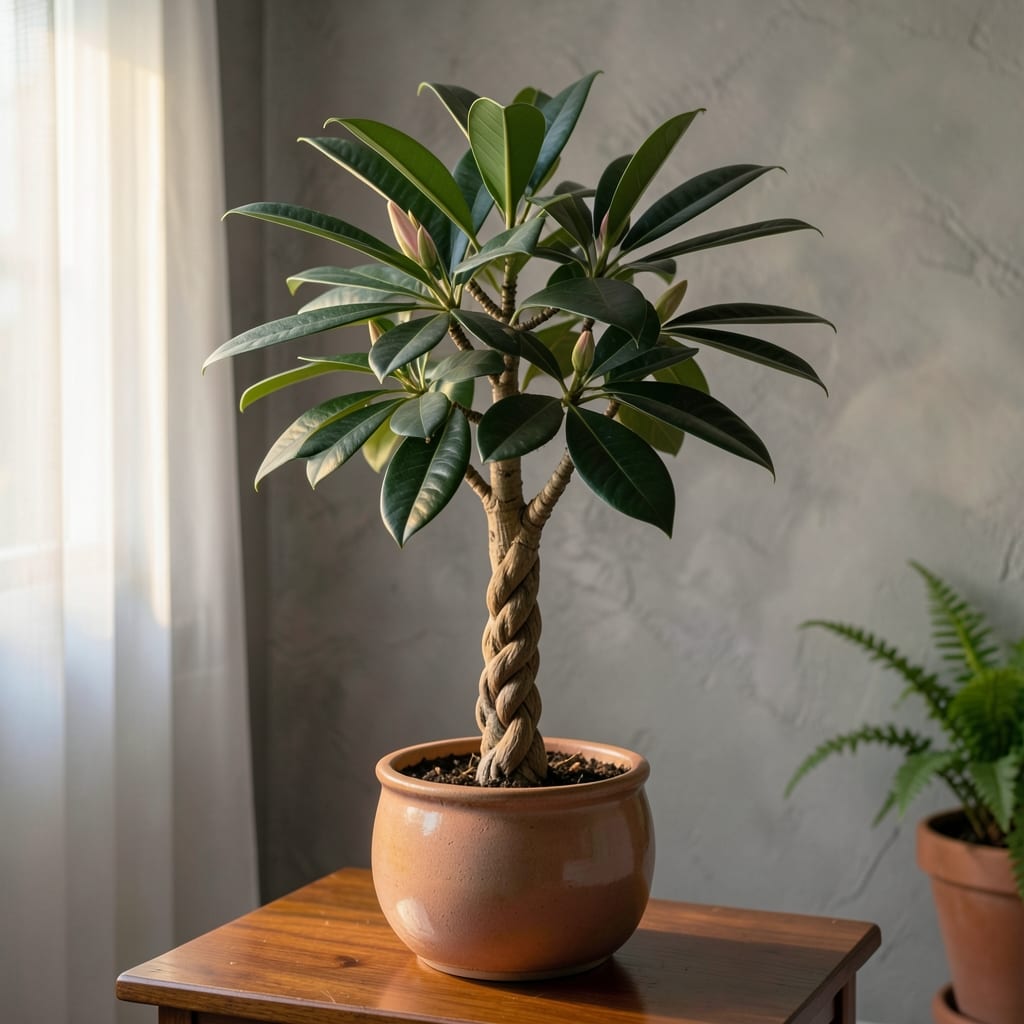
If your Money Tree 🌿 looks more like a sad, leggy stick than a lush, vibrant houseplant, the answer might be simpler than you think—it’s all about how much light this money tree plant needs. Getting the balance right isn’t just about survival; it’s the secret to those glossy leaves and sturdy branches that make this plant a showstopper in any room.
Most people assume their Money Tree just needs "some light," but the truth is, it thrives in bright indirect sunlight—think of it like a golden-hour glow without the harsh midday rays. Too little light, and you’ll end up with weak stems and sparse leaves; too much, and you risk burning those delicate fronds. The good news? With a few simple adjustments, you can turn your plant’s light situation around in no time.
Let’s cut through the guesswork and dive into exactly what your Money Tree needs to flourish. Whether you’re dealing with a dim corner of your home or a window that’s too sunny, I’ll show you how to create the perfect lighting conditions—no green thumb required. Ready to give your plant the spotlight it deserves?
From identifying the ideal window spot to troubleshooting common light-related issues, you’ll walk away with actionable tips to keep your Money Tree looking its best year-round. Trust me, once you master this, your plant will thank you with growth that’s nothing short of impressive.


Optimal light requirements for a money tree: bright indirect sunlight explained
A money tree (Pachira aquatica) thrives in bright indirect sunlight, making it perfect for indoor spaces with natural light. Unlike sun-loving plants, its tropical roots mean it avoids harsh direct rays that can cause leaf burn. Think of it as needing the equivalent of a morning coffee—enough energy to kickstart growth, but not the harsh afternoon sun that can overwhelm it.
The ideal spot is within 3-6 feet of a north- or east-facing window, where sunlight is gentle yet abundant. South-facing windows work too, but only if you use a sheer curtain to diffuse the intensity. This balance mimics its native understory habitat, where dappled sunlight filters through taller trees.
| Light Condition | Intensity | Ideal Placement | Effects |
|---|---|---|---|
| Bright Indirect | 60-80% sunlight | 3-6 ft from north/east window | Healthy growth, glossy leaves |
| Low Light | 20-40% sunlight | Corner rooms, no direct sun | Slow growth, leggy stems |
| Direct Sun | 100% sunlight | South/west windows without shade | Leaf burn, crispy edges |
Seasonal adjustments are key—your money tree can handle slightly lower light in winter when natural light diminishes, but avoid placing it in dark corners. In summer, if you notice leaves turning pale or stretching toward the light, it’s time to rotate the pot every few weeks for even exposure. This prevents uneven growth and keeps the foliage lush.
For those with west-facing windows, use a sheer curtain to block the intense afternoon sun, which can scorch leaves within hours. I’ve seen money trees near these windows thrive when protected—just test the leaf temperature after a few hours. If it feels warm to the touch, move it back or add more shade.
If you’re unsure about your space, think of the light meter test: Hold a white piece of paper near the plant. If the shadow is faint but visible, it’s likely the perfect spot. Too dark? The shadow disappears. Too bright? The edges crisp up instantly. This simple trick saves hours of guesswork!
Artificial grow lights can supplement natural light, especially in low-light offices or basements. LED grow lights with a 6500K color temperature mimic daylight and work well 12 inches above the plant for 6-8 hours daily. Just avoid placing them too close—heat stress is as damaging as too little light.
Pro tip: Watch the leaf color as your best indicator. Dark green, glossy leaves mean happy photosynthesis. Yellowing or dull leaves? It’s time to adjust the light or location. Even small tweaks—like moving a few feet closer to a window—can make a world of difference in just a few weeks.
Remember, your money tree isn’t just surviving—it’s thriving when given the right light. With the ideal balance, you’ll see faster growth, fuller branches, and that coveted braided trunk that makes it a statement piece in any room. 🌿
Signs your money tree isn’t getting enough light (and how to fix it)
Your money tree might be silently screaming for more light—even if it looks fine at first glance. The most common red flag is leggy, sparse growth, where stems stretch unnaturally toward the nearest light source. This happens when your plant stretches to reach sunlight, weakening its structure and leaving gaps between leaves. Think of it like a person craning their neck to see in the dark—eventually, they’ll lose balance.
Another dead giveaway is dull, yellowing leaves, especially on the lower branches. Healthy money trees have vibrant, deep green, glossy foliage. When light-starved, leaves lose their shine and may develop a pale, almost washed-out appearance. Check the undersides too—if they’re dusty or covered in spider mites (a common issue in low-light conditions), your plant is struggling.
🌱 Light Deficiency Symptoms vs. Fixes
Leggy stems
Fix:
Move closer to bright indirect light or use a grow light.
Yellow leaves
Fix:
Rotate plant weekly for even light exposure.
Slow growth
Fix:
Supplement with LED grow lights (6500K) for 6-8 hours daily.
Brown leaf tips
Fix:
Increase humidity with a pebble tray or humidifier.
Don’t overlook small, underdeveloped leaves—another classic sign of light deprivation. Your money tree should produce large, hand-sized leaves when happy. If new growth is tiny and sparse, it’s a cry for more light. Even the braided trunk can suffer, becoming weak or splitting if the plant isn’t getting enough energy from photosynthesis.
Overlighting is just as damaging, though less common. Look for crispy, brown edges or bleached patches on leaves—these are sure signs of sunburn. If your money tree is near a south- or west-facing window without protection, the intense rays can cause irreversible damage. Test this by placing your hand near the plant for a few minutes; if it feels warm, the light is too harsh.
Here’s a quick diagnostic