Light Requirements
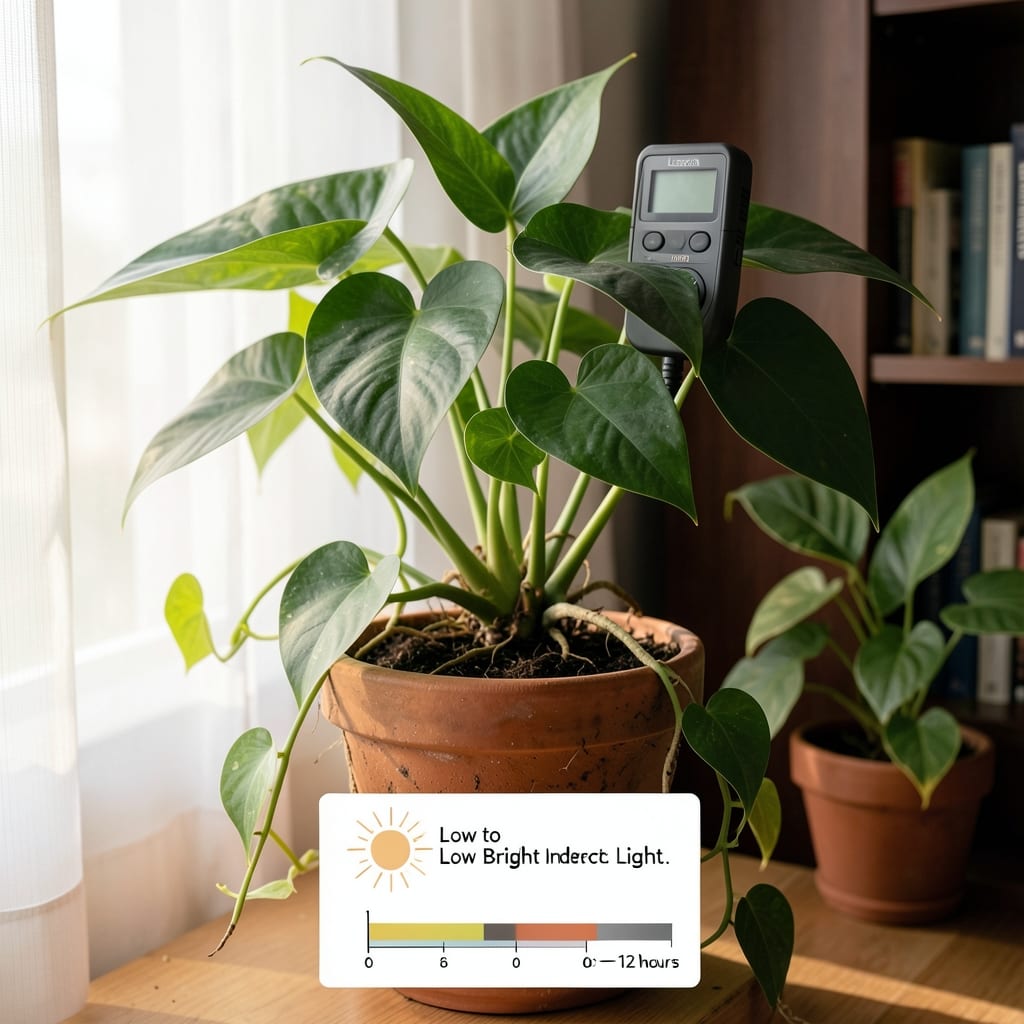
If your philodendron 🌿 is struggling with yellow leaves or stretched-out stems, you’re probably wondering: how much light does a philodendron plant need to truly thrive? The good news? These plants are far more adaptable than most people realize—but getting the balance right makes all the difference.
Philodendrons love bright, indirect light, but they can also handle lower light levels better than many houseplants. The key is observing your plant’s natural cues—think leaf color, growth speed, and even the way new leaves unfurl. Too little light, and you’ll see slow growth or pale foliage; too much, and those gorgeous leaves might scorch.
In this guide, I’ll break down exactly how to spot the perfect light conditions for your specific philodendron variety, whether it’s a trailing heartleaf or a bold Brasil type. You’ll also learn how to adjust your space—even in apartments with limited natural light—to keep your plant happy and lush.
Let’s turn those “maybe” moments into confident care—starting with the right light setup for your philodendron’s personality.
 Best Window Placement
Philodendron light requirements: the ideal spectrum from low to bright indirect
Philodendrons are famous for their adaptability, but their light needs still follow a clear spectrum—from low-light tolerance to thriving in bright indirect light. Unlike sun-loving plants, they avoid direct sun, which can scorch their delicate leaves. The key is finding that sweet spot where your plant gets enough light to grow but stays protected from harsh rays.
Most philodendrons do best with 2-4 hours of bright indirect light daily, but varieties like the Philodendron Brasil can handle slightly more. Think of it like a cozy reading nook—your philodendron wants soft, diffused light, not the harsh glare of a midday sunbeam. Even in low-light conditions, they’ll survive, though their growth may slow.
Here’s how to match your philodendron’s variety to the right light level:
| Variety | Light Needs | Ideal Location | Signs of Perfect Light |
|---|---|---|---|
| Heartleaf (Philodendron hederaceum) | Low to medium indirect | North or east-facing window | Dark green leaves, compact growth |
| Brasil (Philodendron gloriosum) | Medium to bright indirect | West-facing window (filtered) | Deep velvety leaves, upright growth |
| Xanadu (Philodendron 'Xanadu') | Low to medium indirect | Indoor spaces away from direct sun | Glossy leaves, bushy habit |
| Selloum (Philodendron bipinnatifidum) | Bright indirect to dappled sun | Outdoor patio (partial shade) | Large, lobed leaves, vigorous growth |
The heartleaf philodendron, for example, thrives in low-light conditions like a north-facing window or even a well-lit bathroom. Its leaves stay small and dark green when happy. Meanwhile, the Philodendron Brasil craves more light—place it near a west-facing window with sheer curtains to diffuse the afternoon sun.
Watch how your philodendron’s leaves unfurl. Healthy new growth should emerge with vibrant color and a firm texture. If leaves appear pale or stretched, it’s a sign your plant is reaching for more light. Conversely, crispy edges or brown spots mean it’s getting too much direct sun—move it back a few feet or add a sheer curtain.
Pro tip: Rotate your philodendron quarterly to ensure even growth. Plants naturally lean toward light sources, so a slow turn keeps them balanced and bushy. This is especially important for climbing varieties like the Philodendron micans, which need support and consistent light to develop their signature textures.
Even in low-light offices, philodendrons can thrive with the right care. Just avoid placing them in completely dark corners or under fluorescent lights that don’t mimic natural daylight. If you’re unsure about your space, start with a medium-light spot and adjust based on your plant’s response over a few weeks.
Remember, philodendrons are forgiving—they’ll survive in less-than-perfect light, but they’ll reward you with lush, vibrant growth when you get it just right. Pay attention to those leaves, and your philodendron will tell you exactly what it needs.
Philodendron light requirements: the ideal spectrum from low to bright indirect
Philodendrons are masters of adaptability, but their light needs still follow a clear spectrum—from cozy low-light corners to vibrant bright indirect spots. Most varieties thrive in 2-4 hours of filtered light daily, but the exact balance depends on your plant’s personality. For example, heartleaf philodendrons (Philodendron hederaceum) tolerate dimmer conditions better than Brasil types, which crave more luminosity to showcase their striking variegation.
Think of light like a temperature setting—too little, and your plant stretches toward the sun (a sign called etiolation), while too much can bleach or crisp the edges of leaves. The sweet spot? Morning sun with afternoon shade mimics their natural understory habitat. If you’re unsure where your philodendron falls on the spectrum, start by observing its leaf color intensity—dull green means it’s begging for more light, while deep, glossy hues signal it’s content.
🌱 Philodendron Light Requirements Summary
| Variety | Ideal Light | Signs of Perfect Light |
|---|---|---|
| Heartleaf | Low to medium indirect | Glossy, medium-green leaves; compact growth |
| Brasil | Bright indirect | Vibrant variegation; upright, bushy habit |
| Xanadu | Medium indirect | Large, waxy leaves; slow, steady growth |
| Glory | Low to bright indirect | Deep purple-black foliage; thrives in shade |
For indoor growers, the best windows are north-facing (gentle, consistent light) or east-facing (morning sun without harsh afternoon rays). Avoid south-facing windows unless you use a sheer curtain to diffuse the intensity—direct sun can scorch leaves within hours. Pro tip: Rotate your philodendron quarter-turns every 2-3 weeks to ensure even growth, especially if it’s leaning toward a light source.
If you’re working with artificial lighting, LED grow lights with a 6500K color temperature (cool white) mimic natural daylight. Place the light 6-12 inches above the plant and provide 12-14 hours of light daily. Fluorescent bulbs (like full-spectrum T5s) are budget-friendly alternatives, but they require closer placement (3-6 inches). Always introduce new light sources gradually—sudden changes can stress your philodendron, causing leaf drop or stunted growth.
Remember, philodendrons are opportunistic growers. If you notice new leaves emerging with lighter variegation or slower growth, it’s a clear signal to adjust the light. Start by moving the plant 1-2 feet closer to a brighter spot and monitor for 2-3 weeks. Patience is key—these plants reward slow, thoughtful adjustments with lush, vibrant foliage.
🌿