Plants
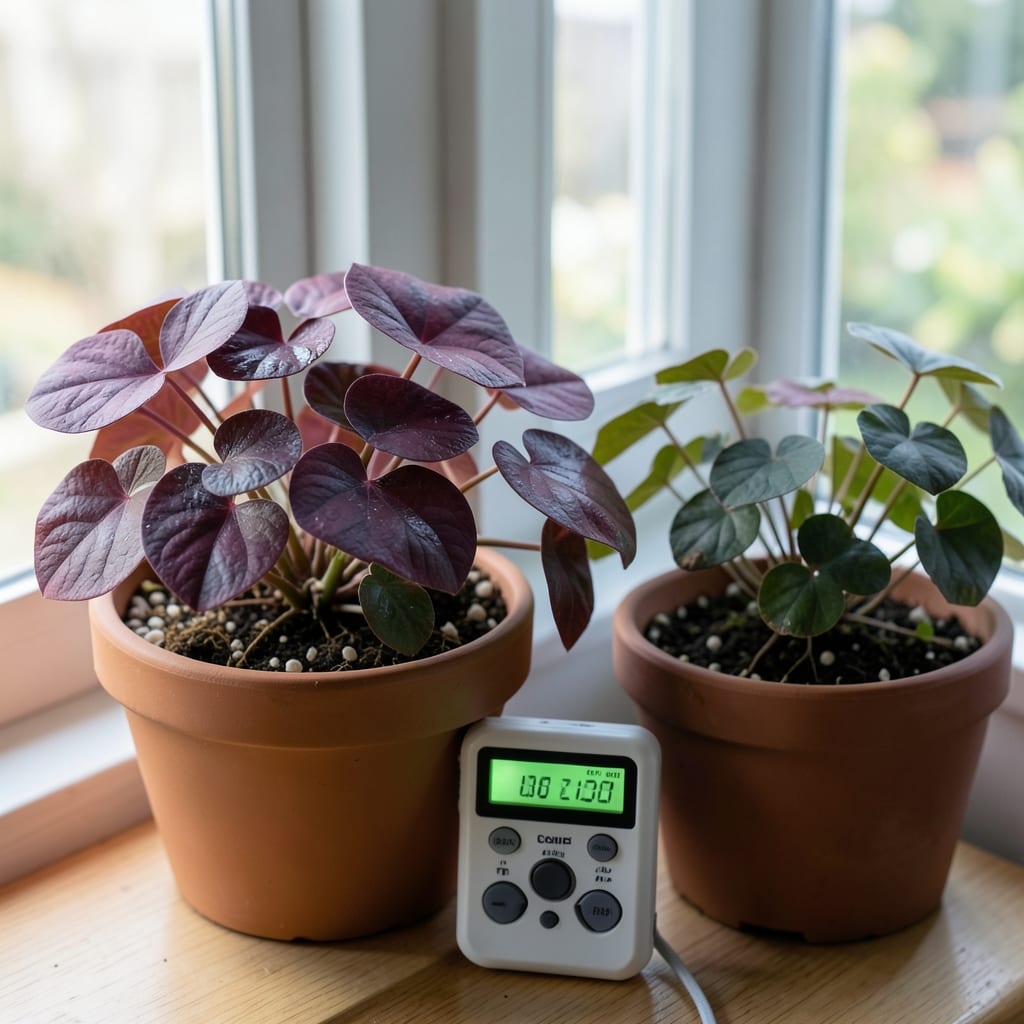
Wondering how much light your 🍀 shamrock plant truly needs to thrive? If you’ve noticed pale leaves or leggy stems, chances are your lighting isn’t quite right—and it’s easier to fix than you think.
Shamrocks prefer bright indirect light, making them perfect for spots like east-facing windows where morning sun gently brightens their foliage without scorching. Too much direct sunlight? Watch for crispy edges or bleached spots. Too little? You’ll see weak, stretched growth reaching for any light source.
Whether you’re growing yours indoors near a sunny window or outdoors in USDA Zone 6a, the key is balance. I’ll show you exactly how to spot the signs of over- or under-lighting and adjust your setup for lush, vibrant shamrock growth all season long.
Ready to transform your plant’s health? Let’s dive into the simple tweaks that make all the difference—no guesswork required.
 Best Window Placement
Ideal light requirements for shamrock plants: bright indirect sunlight explained
Shamrock plants (Oxalis spp.) thrive best in bright indirect light, which mimics their natural understory habitat. This means they need 4-6 hours of filtered sunlight daily, ideally from an east-facing window where morning rays gently illuminate their leaves without the harsh afternoon sun. Think of it as a gentle golden glow—just enough to keep their foliage vibrant but not intense enough to cause stress.
Indoors, position your shamrock 1-3 feet from an east-facing window to achieve this balance. If your home lacks natural light, supplement with a grow bulb (6,000K color temperature) placed 12-18 inches above the plant for 12-14 hours daily. Outdoors, a dappled shade spot—like under a tree with sparse branches—mimics their ideal conditions perfectly.
For precise measurements, aim for 4,000–6,000 lux of light, which you can test with a light meter or observe by comparing your plant’s growth to a known light-loving houseplant like a fern (which prefers similar conditions). If your shamrock’s leaves appear dark green and compact, you’ve nailed the light balance!
🌱 Shamrock Light Requirements Summary
| Condition | Specification |
|---|---|
| Optimal Light Type | Bright indirect sunlight |
| Daily Light Hours | 4–6 hours |
| Lux Range | 4,000–6,000 lux |
| Best Window Placement | East-facing, 1–3 feet away |
| Outdoor Spot | Dappled shade (morning sun) |
| Artificial Light | Grow bulb (6,000K), 12–18" away |
Seasonal adjustments are key! In spring and fall, when sunlight is softer, your shamrock will happily soak up 6 hours of indirect light. But during summer’s peak intensity, move it further from the window or use a sheer curtain to filter harsh rays. Conversely, in winter, extend light exposure to 8–10 hours using a full-spectrum LED bulb to prevent leggy growth.
Watch for leaf color changes—a telltale sign your lighting is off. Pale or yellowing leaves mean too little light, while brown crispy edges or bleached patches signal sunburn. Adjust gradually: if your shamrock looks weak, move it closer to the light source by 2 inches every 3–4 days until you see improvement.
Pro tip: Rotate your plant quarter-turns weekly to ensure even growth. Shamrocks grow toward light sources, so without rotation, one side will stretch while the other stays compact. This simple habit keeps your plant symmetrical and healthy—no guesswork involved!
For outdoor shamrocks, choose a spot with morning sun and afternoon shade, like near a north- or east-facing wall. If planted in USDA Zone 6a, they’ll thrive in partial shade gardens where they’re protected from midday heat. Mulch around the base to regulate soil temperature and retain moisture, which further supports their light needs.
Remember, shamrocks are adaptable but not sun-seekers. They’ll survive in lower light (like a north window), but growth will slow, and foliage may lose vibrancy. For optimal health and flowering, prioritize that bright indirect light—your shamrock’s secret to lush, year-round greenery!
How to adjust light for different shamrock growth stages: seedlings to mature plants
Shamrock plants have unique light needs at each growth stage, so adjusting their exposure ensures strong, healthy development. Seedlings (first 4-6 weeks) need the gentlest light—think 2-3 hours of filtered sunlight daily from an east window or under a sheer curtain. Too much light now causes leaf scorch, while too little leads to weak stems that flop over. Place them 6-12 inches from a light source and avoid direct midday sun.
Once your shamrock enters its vegetative growth phase (weeks 6-12), increase light to 4-5 hours daily of bright indirect sunlight. This is when their clover-like leaves develop fully, and they’ll show their true color. If indoors, rotate the pot quarter-turns weekly to prevent lopsided growth toward the light. Outdoors, a morning sun spot with afternoon shade works perfectly—just watch for wilting as a sign of overheating.
🌱 Shamrock Light by Growth Stage
- Seedlings (0-6 weeks): 2-3 hrs filtered light, 6-12" from source
- Vegetative (6-12 weeks): 4-5 hrs bright indirect light, rotate weekly
- Flowering (12+ weeks): 5-6 hrs light, supplement with grow bulb if needed
- Mature (1+ year): 4-6 hrs light, adjust seasonally (more in winter)
When your shamrock starts flowering (typically after 12 weeks), it craves maximum light—5-6 hours daily of bright indirect sunlight. This is when you’ll see those delicate white or pink blooms appear. If indoors, add a grow bulb (6,000K) 12-18 inches above for 12-14 hours/day. Outdoors, move to a sunnier spot but avoid hot afternoon sun, which can fry petals. Watch for bud drop—a clear sign of light stress.
For mature shamrocks (1+ year old), maintain 4-6 hours of bright indirect light, but adjust seasonally. In summer, reduce direct sun exposure to morning hours only and use a sheer curtain to diffuse harsh rays. In winter, extend light to 8-10 hours with a full-spectrum LED to prevent etiolation (stretched, weak growth). A simple trick: place your plant near a reflective surface (like a white wall or mirror) to bounce extra light onto its leaves.
If you notice new growth reaching upward (a sign of light deficiency), it’s time to increase exposure gradually. Move your shamrock closer to the light source by 2 inches every 3-4 days until the stems compact and darken. Conversely, if leaves curl or develop brown edges, it’s getting too much direct sun. Shift it further back or add a light filter. The goal? Even, vibrant green leaves with no signs of stress.
Pro tip: Use a light meter to check lux levels—4,000-6,000 lux is ideal for mature shamrocks. If you’re growing multiple plants, place them at different distances from the light source to create a gradual light gradient. This mimics natural conditions and helps you fine-tune each plant’s needs without overhauling your setup. With these adjustments, your shamrock will grow strong, symmetrical, and full of life at every stage!