Light Requirements
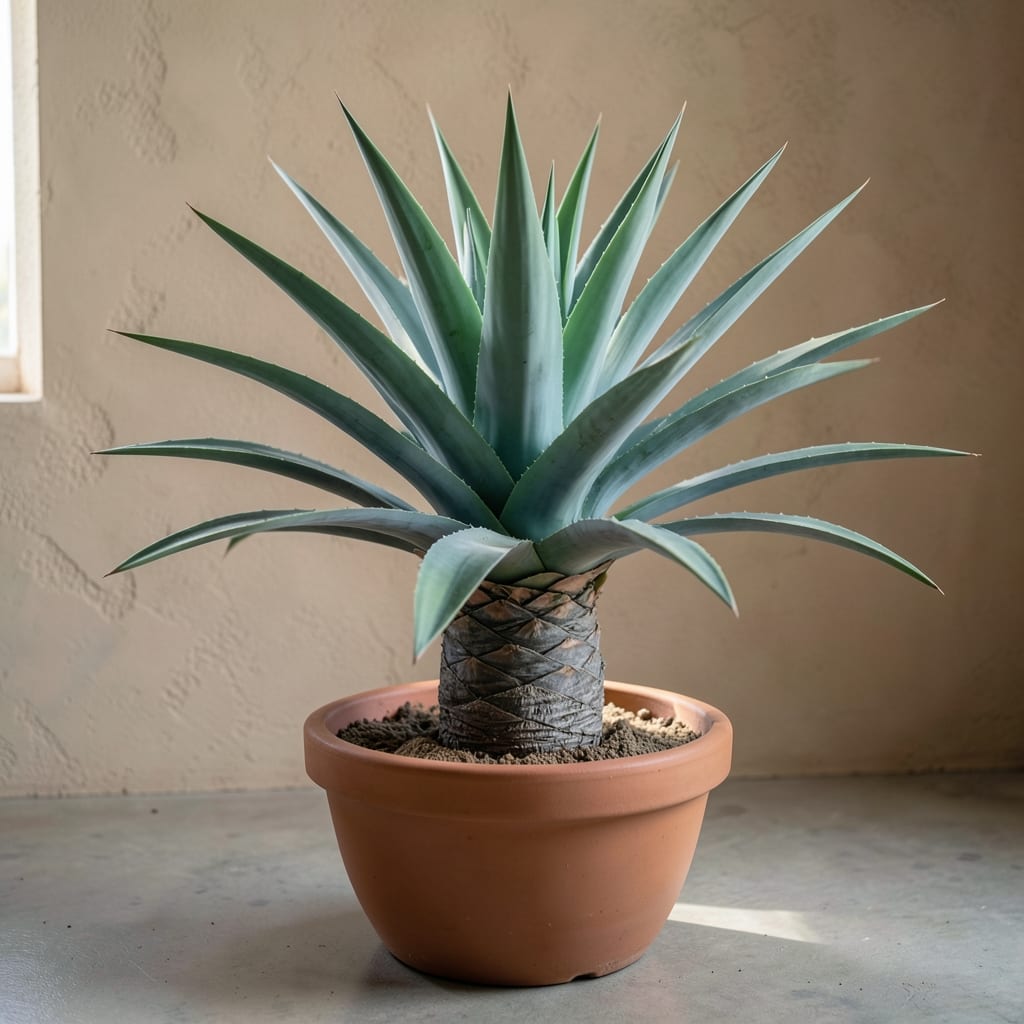
If you've ever wondered how much light does a yucca plant need to stay happy, you're not alone—this desert-loving plant 🌵 has surprisingly specific sunlight needs that most gardeners get wrong.
The key to keeping your yucca thriving lies in understanding its natural habitat: bright, unfiltered sunlight, but not so intense it turns leaves crispy. Whether you're planting outdoors in USDA Zone 6a or bringing one inside, getting the light balance right makes all the difference between a lush, healthy plant and a struggling one.
Too little light and your yucca will stretch awkwardly, while too much can scorch its edges. I’ll show you exactly how to spot the signs and adjust care—so you can give your plant the perfect spot, whether that’s a sunny windowsill or a south-facing garden bed.
Let’s break down the science behind yucca light needs and how to create the ideal conditions, no matter where you live or what space you’re working with.
 Best Window Placement
Ideal sunlight requirements for yucca plants: bright light essentials
Yuccas are sun worshippers—they crave 6 to 8 hours of direct sunlight daily, mimicking their native desert conditions. In fact, most varieties can handle up to 10 hours of full sun without issues, especially in hotter climates like USDA Zone 6a or warmer. The key is bright, unfiltered light—think south-facing windows or open garden beds where the sun shines fiercely.
If you're growing yuccas outdoors, afternoon shade (especially in 100°F+ temperatures) can prevent leaf scorch, but morning sun is non-negotiable. Indoor yuccas, however, need a south- or west-facing window to thrive—east-facing windows often provide too little intensity. Without enough light, yuccas stretch unnaturally, a condition called etiolation, which weakens their structure.
Seasonal adjustments matter too. In summer months, yuccas can handle more sun, but in winter, when sunlight is weaker, supplement with a grow light if indoors. Even outdoor yuccas may show signs of light deprivation in overcast winters, so monitor their color closely—dull, pale leaves are a red flag.
Here’s the breakdown of what your yucca truly needs to thrive:
| Requirement | Specification |
|---|---|
| Minimum Daily Sunlight | 6+ hours of direct sunlight |
| Ideal Sunlight Range | 6–10 hours (varies by climate) |
| Best Window Placement (Indoor) | South- or west-facing |
| Outdoor Shade Needs | Afternoon shade in extreme heat |
| Winter Light Supplement | Grow light (4–6 hours/day) |
| Signs of Too Little Light | Etiolated growth, pale leaves |
| Signs of Too Much Light | Brown leaf tips, crispy edges |
For outdoor yuccas, the south or southwest side of your garden is ideal, especially in temperate climates. If you’re in a desert region, they’ll handle even more sun, but always ensure the soil drains well to prevent root rot—a common issue when yuccas get too much water and not enough sun. Mulching with gravel or coarse sand helps reflect light and keep roots cool.
Indoor yuccas, on the other hand, often struggle with low-light conditions common in north-facing rooms. If your home lacks bright windows, a full-spectrum LED grow light (placed 12–18 inches above the plant) can mimic natural sunlight. Rotate the plant weekly so all sides get even exposure—uneven growth is a classic sign of light bias.
Pro tip: Observe your yucca’s leaves for subtle clues. Healthy yucca foliage should be upright, stiff, and deep green. If you notice yellowing at the base or leaves bending toward the light, it’s time to move your plant to a brighter spot. Conversely, brown, crispy edges mean you’ve overdone it—provide some afternoon shade or increase humidity slightly with a pebble tray.
Yuccas are remarkably adaptable once established, but their light needs are non-negotiable during the first year of growth. Give them the brightest spot you can, and they’ll reward you with architectural beauty and minimal care—the perfect low-maintenance plant for busy gardeners.
Ideal sunlight requirements for yucca plants: bright light essentials
Yucca plants are sun worshippers—they crave 6+ hours of direct sunlight daily to stay healthy and grow their signature sword-like foliage. In their native desert habitats, they’re accustomed to intense midday sun with minimal shade. This means if you’re growing yucca outdoors, a south-facing spot is your best bet, especially in USDA Zone 6a or warmer climates.
Indoors, the challenge is finding a window that mimics this brightness. South-facing windows are ideal because they receive the most unfiltered sunlight throughout the day. If you only have east or west-facing windows, your yucca will still thrive, but you may need to supplement with a grow light during shorter winter days to maintain its vigor.
Here’s the golden rule: yuccas need bright, direct light, not dappled or filtered shade. Even partial shade can cause leggy growth, where the plant stretches toward any available light, weakening its structure. Think of it like a sunbathing desert dweller—too little sun, and it gets weak; too much without acclimation, and it gets sunburned.
One common mistake is assuming yuccas can handle any amount of sun without adjustment. While they’re drought-tolerant, their leaves can scorch in extreme heat, especially if they’re not gradually acclimated to full sun. If you’re moving a yucca from indoors to outdoors, start with morning sun only and gradually increase exposure over 1-2 weeks to avoid shock.
For container-grown yuccas, placement matters even more because pots can overheat. Choose a light-colored container to reflect excess heat and use well-draining soil to prevent root stress. If your yucca is in a pot, rotate it quarter-turns weekly to ensure even light exposure on all sides.
Remember, yuccas are not low-light plants. If you notice your plant leaning or stretching toward a light source, it’s a clear sign it needs more bright, direct sunlight. With the right light, your yucca will reward you with bold, upright growth and those striking architectural leaves. ☀️