
Orchid Care
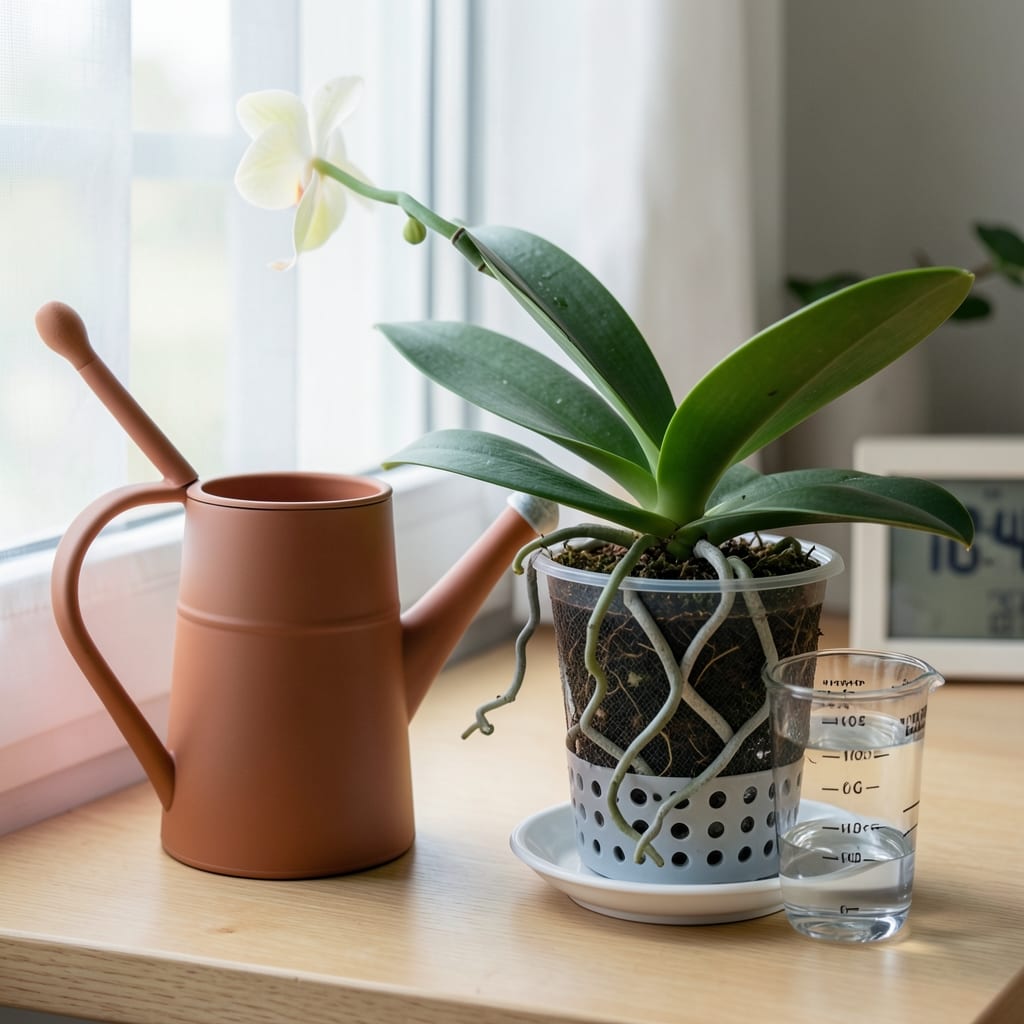
Mastering how often to water orchids in summer could mean the difference between a thriving 🌸 and a sad, wilted plant on your windowsill. Summer heat throws orchids into a delicate balance—too much water and roots rot, too little and they shrivel up faster than a forgotten ice cube.
Most gardeners assume a weekly watering schedule works year-round, but orchids in USDA Zone 6a during peak summer need a smarter approach. The key lies in understanding their natural rhythm: orchids prefer their roots to dry out slightly between waterings, especially when temperatures climb. That’s why the 3-day rule becomes your best friend during those scorching afternoons.
What you’re about to discover isn’t just about sticking to a schedule—it’s about reading your orchid’s signals. We’ll break down how humidity, pot size, and even your home’s airflow affect watering needs, plus the telltale signs that your plant is either begging for a drink or drowning in excess moisture. No more guesswork, just science-backed care that keeps your orchids blooming like they’re in a greenhouse.
Ready to transform your summer orchid care? Let’s dive into the secrets that’ll have your plants looking lush and happy all season long—without the stress of over- or underwatering. Your orchids will thank you with vibrant blooms and strong roots.
The 3-Day watering rule for summer orchids: science-backed timing
Summer transforms orchids from graceful bloomers into high-maintenance divas, and their watering needs shift dramatically. While winter’s weekly schedule works, summer’s heat forces orchids to drink more—but also dry out faster. The 3-day rule isn’t arbitrary: it accounts for how humidity drops and evaporation speeds up when temperatures hit 85°F+.
Think of orchids like a sponge in a sauna. Their roots need air to breathe between drinks, but summer’s intensity makes them thirsty faster. Phalaenopsis orchids (the most common type) can handle 2-3 days between waterings, while Cattleyas and Dendrobiums might stretch to 4 days if humidity stays high. The trick? Check before you water—not on a calendar.
Here’s where most gardeners go wrong: they assume bigger pots = less frequent watering. Actually, larger containers hold moisture longer, creating root rot risks. A 6-inch pot might need watering every 2 days, while a 4-inch pot could stretch to 3 days. Material matters too—clay pots dry faster than plastic, which traps humidity like a greenhouse.
Your orchid’s roots are the best moisture meter. Healthy roots should be silver-green (not shriveled or mushy). If they’re gray and slimy, you’ve overwatered; if they’re wrinkled and white, it’s time for a drink. Pro tip: Water in the morning—this gives roots 12+ hours to dry before nighttime humidity sets in.
Humidity is the wildcard in summer orchid care. In low-humidity zones (under 40%), you’ll water every 2 days. But if your home stays 60%+ humidity (like a greenhouse), stretch to 4 days. A pebble tray or humidifier nearby can buy you an extra day between waterings—just don’t let the roots sit in standing water.
Your orchid’s location also dictates the schedule. Indoor plants near AC vents or direct sunlight dry out faster, while those in shady bathrooms might only need watering every 5 days. Outdoor orchids in partial shade can handle 3-4 days, but move them to dappled light if leaves scorch by midday.
One non-negotiable summer rule: Never water at night. Evening moisture + warm temps = fungal infections faster than you can say “root rot.” Instead, give orchids a deep soak in the morning, then let excess water drain completely. This mimics their natural tropical rhythm of dry spells followed by heavy rains.
Watch for these red flags that your watering schedule is off: yellow leaves (overwatering), wrinkled pseudobulbs (underwatering), or blackened roots (both!). Adjust by 1 day at a time—orchids hate sudden changes. With this 3-day rule as your guide, your summer orchids will stay lush, blooming, and drama-free.
Ready to put this into action? Grab your watering can and give your orchids the precise care they crave—no more guesswork, just science-backed blooms all season long. 🌸
Summer watering mistakes that kill orchids (and how to fix them)
Even with the 3-day rule mastered, summer watering mistakes can turn your orchids into sad, drooping decorations faster than you can say "root rot." The most common blunder? Using ice cubes—this shocks the roots and mimics a freezing tropical storm, which orchids despise. Instead, use room-temperature water (68-75°F) to avoid thermal shock that weakens their delicate cells.
Another silent killer is watering from below. Many gardeners assume letting water soak up from a saucer mimics natural rainfall, but orchid roots need oxygen circulation. Trapped water in saucers creates anaerobic conditions, suffocating roots within 48 hours. Always water from the top and ensure pots have drainage holes—no exceptions. 🪴
🚨 EMERGENCY RED FLAGS
If you spot these, act immediately:
- Yellow leaves + mushy roots = Overwatering (cut back to every 5 days)
- Wrinkled pseudobulbs + white roots = Underwatering (water now and check humidity)
- Blackened roots + foul smell = Fungal infection (repot in fresh bark mix)
💡 FIX IT: Remove affected roots with sterilized scissors, treat with hydrogen peroxide (3%), and repot in fresh bark mix.
Tap water can be deadly for orchids due to hidden chemicals like chlorine and fluoride, which build up in the bark mix over time. If your water tastes or smells like a pool, let it sit 24 hours before using—or invest in a reverse osmosis filter. Rainwater is ideal, but only if collected from clean, unpolluted sources (avoid bird droppings or tree debris).
One overlooked mistake is ignoring root health during repotting season. Summer’s heat accelerates root decay, so check roots every 6 weeks. Healthy roots should be plump and silver-green; anything slimy or hollow is a death sentence. Trim bad roots with sterilized shears and dust cuts with cinnamon powder (a natural antifungal).
Even well-meaning gardeners fall for the "more is better" trap during heatwaves. Doubling water in 100°F+ temps doesn’t help—it drowns roots faster. Instead, mimic tropical downpours: give a deep soak until water drains completely, then wait 3 full days before repeating. This dry-wet cycle prevents root suffocation while keeping leaves hydrated.
Your orchids will reward precise care with longer blooms and healthier foliage. Avoid these mistakes, and you’ll skip the trial-and-error phase—no more guessing whether your orchid is thirsty or drowning. With these fixes, your summer orchid care will be foolproof, and your plants will stay blooming like pros. ✂️