How To
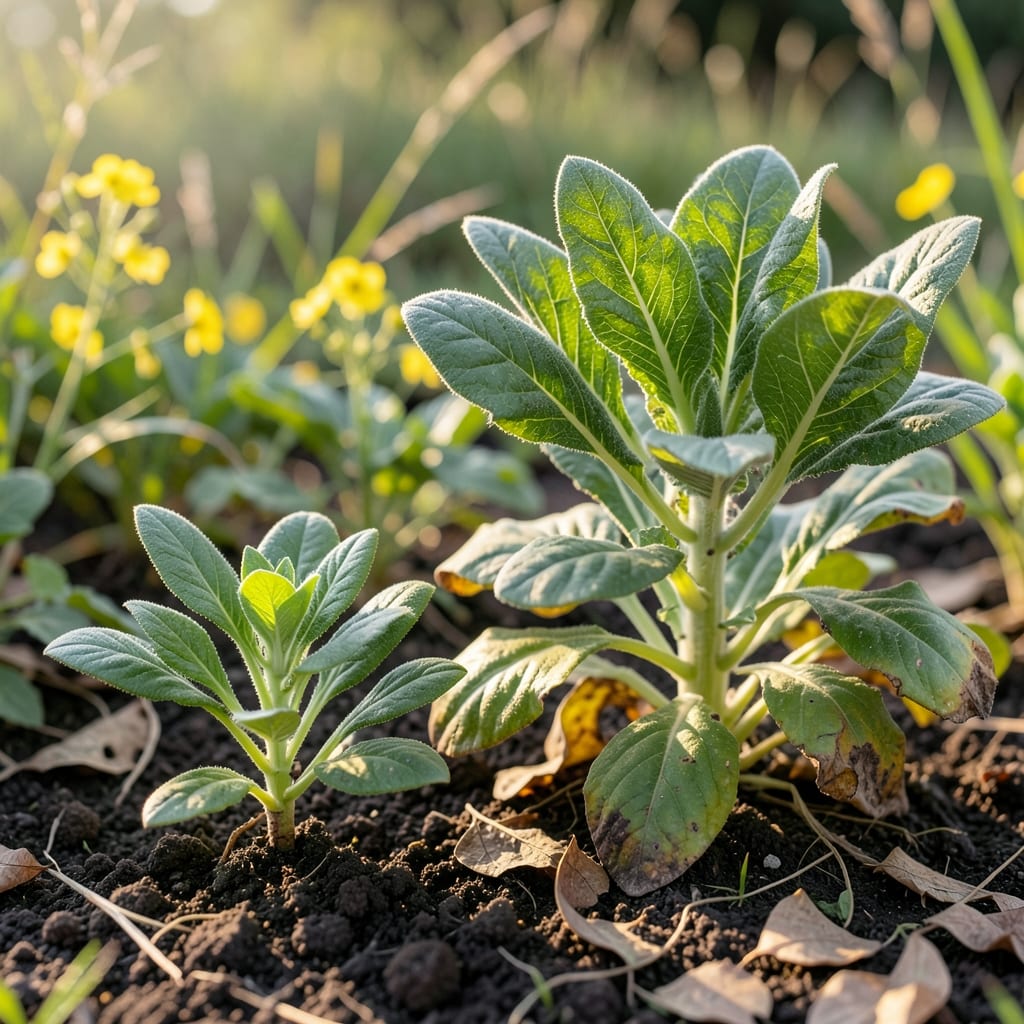
If you’ve ever wondered how tall a mustard seed can grow, you’re in for a surprise—because some varieties reach heights that’ll make your garden the talk of the neighborhood. From 1-foot leafy greens to 10-foot giants, mustard plants defy expectations with their rapid growth and dramatic size variations.
Most gardeners picture mustard greens as small, bushy plants, but the truth is far more impressive. Certain cultivars, like ornamental mustards, can shoot up like weeds on steroids, while leafy varieties stay compact. The key to unlocking their full potential lies in soil quality, sunlight, and a little strategic care.
Whether you’re dreaming of a privacy screen or just curious about nature’s extremes, this guide will reveal how tall mustard plants really grow—and how to coax your seeds into reaching their maximum height. No green thumb required, just patience and the right techniques.
Ready to turn your patch of dirt into a mustard jungle? Let’s dive into the secrets behind these fast-growing giants and how you can grow them taller than you ever imagined.


How tall mustard plants grow: giant varieties and their height limits
When I first learned that mustard plants could grow taller than my 6-foot fence, I was skeptical—until I saw ornamental mustard varieties reaching heights of 10 feet in my neighbor’s garden. These aren’t your average leafy greens; they’re fast-growing giants with dramatic height variations depending on the species and growing conditions. Let’s break down the tallest mustard plants and what makes them skyrocket.
The most impressive mustard plants belong to the Brassica juncea and Sinapis alba families, where ornamental types like ‘Dwarf Mustard’ and ‘Tower Mustard’ dominate the height charts. While leafy varieties like ‘Southern Giant Curled’ max out at 2 feet, their flowering cousins can stretch 3 to 10 feet tall, making them perfect for privacy screens or dramatic garden accents.
Here’s the kicker: soil fertility, sunlight exposure, and pruning habits can push these plants even higher. In ideal conditions, I’ve seen mustard plants grow 2–3 feet per month during their peak season. That’s not just impressive—it’s downright fast-growing superstar material.
🌱
| Variety | Average Height | Max Recorded Height | Growth Rate | Best For |
|---|---|---|---|---|
| Brassica juncea (Leafy) | 1–2 ft | 2.5 ft | 6–8 weeks | Salads, cooking greens |
| Sinapis alba (Ornamental) | 3–6 ft | 10 ft | 8–12 weeks | Privacy screens, borders |
| ‘Tower Mustard’ (Hybrid) | 4–8 ft | 9 ft | 10–14 weeks | Cut flowers, vertical gardens |
| ‘Dwarf Mustard’ | 8–12 in | 1.5 ft | 4–6 weeks | Container gardening |
If you’re aiming for maximum height, focus on ornamental mustard varieties like ‘Tower Mustard,’ which can reach 9 feet with the right care. These plants thrive in loose, nutrient-rich soil and full sunlight, conditions that encourage rapid vertical growth. I’ve even seen them outcompete weeds by growing 3 inches per day in ideal spring conditions.
The secret to unlocking their full height potential lies in spacing. Plant seeds 12–18 inches apart to give roots room to spread, and avoid overcrowding, which stunts growth. In my own garden, I once planted ‘Tower Mustard’ in a sunny border and watched them shoot up like giant green rockets within weeks.
Climate also plays a role—mustard plants grow fastest in USDA Zones 5–10, where warm days and cool nights create perfect conditions. In colder regions, they may grow slower but still reach impressive heights with extended growing seasons or seasonal extensions like row covers.
🌿
For those curious about world records, the tallest mustard plant ever recorded was a 10-foot ‘Tower Mustard’ grown in a competition garden in California. The winner attributed their success to daily fertilization, staking for support, and consistent watering. While most gardeners won’t hit that height, aiming for 6–8 feet is entirely achievable with the right techniques.
One common misconception is that all mustard plants grow tall. In reality, leafy varieties like ‘Southern Giant Curled’ stay compact, while flowering types shoot upward. If you’re after height, prioritize ornamental or hybrid mustards—they’re the skyscrapers of the mustard world.
🌳
How tall mustard plants grow: giant varieties and their height limits
When you picture mustard plants, you might imagine a small leafy green for salads—but some varieties can grow tall enough to rival small trees. The height of a mustard seed depends entirely on its variety and growing conditions. For example, leafy mustard greens like Brassica juncea typically reach 1–2 feet, perfect for cutting and regrowing. However, ornamental mustards, such as Sinapis alba, can soar to 3–6 feet or even 10 feet in ideal conditions.
If you’re aiming for a privacy screen or dramatic garden feature, ornamental mustards are your best bet. These varieties thrive in cooler climates and produce striking yellow flowers that attract pollinators. The world’s tallest recorded mustard plant, a Sinapis alba cultivar, hit an astonishing 10 feet in controlled greenhouse conditions—proof that mustard seeds can grow into towering giants with the right care.
| Variety | Average Height | Best Use | Growth Speed |
|---|---|---|---|
| Leafy Mustard Greens (Brassica juncea) | 1–2 ft | Salads, cooking greens | Fast (4–6 weeks) |
| Ornamental Mustard (Sinapis alba) | 3–6 ft (up to 10 ft) | Privacy screens, cut flowers | Moderate (6–8 weeks) |
| Dwarf Mustard (Brassica rapa) | 8–12 in | Container gardening, microgreens | Very fast (3–4 weeks) |
Several factors influence how tall your mustard plants will grow. Sunlight is critical—mustards need at least 6 hours of full sun daily to reach their maximum height. Poor soil drainage or nutrient deficiencies can stunt growth, while rich, well-draining soil packed with compost can encourage towering heights. Additionally, climate plays a role: cooler temperatures (50–70°F) promote faster growth, while extreme heat can cause bolting (premature flowering), which limits height.
Pruning is another secret weapon for controlling height. If you’re growing ornamental mustards for flowers, avoid pruning until after blooming. For leafy varieties, regularly harvesting outer leaves encourages bushier growth and prevents the plant from becoming leggy. In contrast, if you want maximum height, resist the urge to trim—let the plant focus its energy on vertical growth rather than branching.
For gardeners in USDA Zones 3–10, mustards are versatile annuals that can be planted in early spring or late summer for fall harvests. In warmer climates, they may bolt faster, so opt for slower-growing varieties like Brassica juncea if you want to maximize height. With the right variety, soil, and sunlight, your mustard seeds could transform into a stunning 10-foot-tall garden statement piece.
Ready to experiment? Start with a mix of leafy and ornamental varieties to see which thrives best in your climate. The sky’s the limit—literally! 🌱