Size
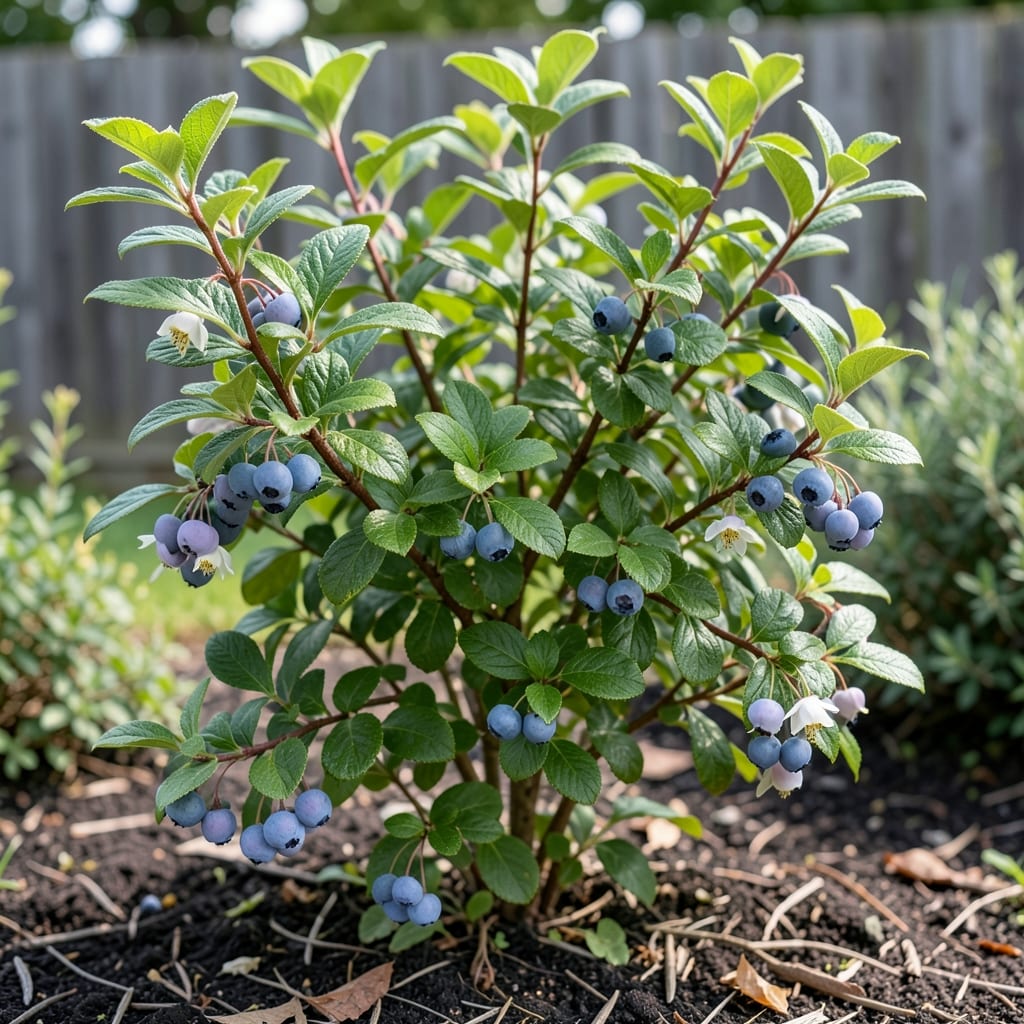
If you’ve ever wondered how tall blueberry bushes can grow 🫐 while staring at your own, you’re not alone. The truth is, these bushes can stretch anywhere from 2 feet to over 12 feet, depending on the variety and how you care for them.
Dwarf varieties stay compact at 3-4 feet, perfect for containers or small gardens, while standard types can reach heights that rival a basketball hoop. The key to controlling their growth lies in pruning, soil conditions, and even the climate where you live—all factors that can dramatically shape their size.
But here’s the good news: with the right techniques, you can manage your blueberry bush’s height without sacrificing those juicy berries. Whether you’re working with USDA Zone 6a conditions or planning your spring planting, I’ll show you exactly how to keep your bushes at your ideal height—whether that’s a neat 3-foot hedge or a towering 10-foot statement piece.
Ready to discover the secrets behind blueberry bush growth? Let’s dive into the varieties, pruning tips, and care strategies that will give you the perfect-sized harvest every year.


Blueberry bush height by variety: exact growth ranges for dwarf to giant types
Blueberry bushes come in a stunning range of sizes, from dwarf varieties that fit neatly in containers to giant types that can reach heights of 12 feet or more. The variety you choose isn’t just about aesthetics—it directly impacts space requirements, fruit yield, and even how much pruning you’ll need to manage. Let’s break down the exact heights for each major type so you can pick the perfect fit for your garden.
First, let’s clarify the three main height categories: dwarf (2–4 ft), semi-dwarf (4–6 ft), and standard (6–12 ft). Dwarf varieties are ideal for small spaces or container gardening, while standard types thrive in rural landscapes or large backyards. The key to controlling their height lies in understanding their natural growth habits and pruning needs.
Lowbush blueberries are the shortest, typically staying between 1–3 feet tall. These are perfect for wildlife-friendly gardens or as ground covers in rocky areas. On the other end of the spectrum, rabbiteye varieties like ‘Climax’ can reach 10–12 feet, making them ideal for privacy screens or woodland edges.
Southern highbush varieties, such as ‘Southern Belle,’ usually grow 4–6 feet tall, striking a balance between manageable size and high yields. Meanwhile, northern highbush types like ‘Duke’ can grow 6–10 feet, thriving in cooler climates like USDA Zone 6a. Your climate plays a huge role in how tall your bushes will grow, as colder regions often slow vertical growth while warmer zones encourage taller, bushier plants.
| Variety Type | Mature Height | Best For | Climate Zones |
|---|---|---|---|
| Lowbush | 1–3 ft | Small gardens, ground cover | Zones 3–6 |
| Dwarf Northern Highbush | 2–4 ft | Containers, patios, small spaces | Zones 4–7 |
| Semi-Dwarf Southern Highbush | 4–6 ft | Backyards, privacy hedges | Zones 7–9 |
| Standard Northern Highbush | 6–10 ft | Large gardens, rural landscapes | Zones 4–8 |
| Rabbiteye | 10–12 ft | Privacy screens, woodland edges | Zones 7–10 |
🌱 Pro Tip: Always check the specific variety’s tag for exact height ranges—some can vary by 1–2 feet!
If you’re planting in containers, dwarf varieties like ‘Top Hat’ or ‘Peach Sorbet’ are your best bet, as they stay under 4 feet even with regular pruning. For in-ground planting, give standard varieties at least 6 feet of space between bushes to allow for their full height and spread. Remember, blueberry bushes can also spread horizontally, so account for that when planning your layout.
Soil conditions also play a critical role in height. Acidic, well-draining soil (pH 4.5–5.5) encourages healthier growth, while poor soil can stunt a bush’s vertical development. Amending your soil with peat moss or composted pine needles can make a world of difference, especially if you’re growing larger varieties that need strong root systems to support their height.
Finally, don’t forget that pruning is your best tool for managing height. Regular pruning not only keeps bushes at your desired size but also boosts fruit production by improving airflow and sunlight penetration. Whether you’re aiming for a 3-foot hedge or a 10-foot privacy screen, the right variety and care will help you achieve your goal without sacrificing those sweet, juicy berries.
Now that you know the exact heights for each variety, you’re ready to choose the perfect blueberry bush for your space. Next, we’ll dive into the pruning techniques that will help you control their growth and keep them healthy year after year.
Pruning blueberry bushes by height: step-by-step techniques to control growth
Pruning isn’t just about keeping your blueberry bushes at a manageable height—it’s about boosting fruit production and ensuring their long-term health. The right pruning technique depends on your bush’s variety and desired height, but the goal is always the same: open the canopy for sunlight and airflow while shaping the plant. For dwarf varieties (2–4 ft), you’ll focus on light shaping, while standard types (6–12 ft) may need aggressive pruning to maintain structure and prevent disease.
Timing is everything when it comes to pruning. Winter pruning (late fall to early spring) is ideal for structural shaping and removing dead wood, while summer pruning helps control height by pinching back new growth. If you’re growing in USDA Zone 6a, aim to prune after the last frost (around April 15) to avoid damaging new buds. For warmer climates, late winter or early spring works best before the planting window opens.
Here’s a step-by-step guide to pruning based on your bush’s height and variety. Whether you’re dealing with a 3-foot dwarf or a 10-foot rabbiteye, these techniques will keep your bushes healthy and productive while controlling their size.
- Step 1: Remove Dead or Diseased Wood
Cut out any dead branches or those with signs of fungus or insect damage. Use sterilized pruners to avoid spreading disease.
- Step 2: Thin Out Crowded Branches
For standard varieties, remove 1/3 of the oldest wood to encourage new growth. In dwarf varieties, thin out only the most crowded branches to maintain an open center.
- Step 3: Shape for Desired Height
If you want a compact bush, prune back the tallest branches by 1/3. For taller varieties, focus on removing branches that grow inward to improve airflow.
- Step 4: Pinch Back New Growth (Summer Pruning)
In summer, pinch back the tips of new shoots to encourage bushier growth and prevent overgrowth. This is especially useful for semi-dwarf varieties (4–6 ft).
- Step 5: Clean Up and Mulch
Remove all pruned debris from the base of the plant and apply 2–3 inches of mulch to retain moisture and suppress weeds. Use acidic mulch like pine straw for best results.
✂️ Pro Tip: Always use sharp, clean pruners to avoid tearing branches, which can invite disease.
One common mistake gardeners make is over-pruning, which can stunt growth or reduce fruit production. For dwarf varieties, avoid cutting back more than 1/3 of the bush in a single season, as this can weaken the plant. Meanwhile, standard varieties can handle more aggressive pruning but still benefit from a gradual approach to avoid shock. If you’re unsure, start with light pruning and adjust based on how the bush responds.
Another key factor is pruning for fruit production. Blueberries produce fruit on wood that’s 1–3 years old, so avoid cutting back too aggressively on older branches. Instead, focus on removing branches that are older than 5 years or those that are weak and spindly. This ensures your bush maintains a balance between new growth and fruit-bearing wood.
For container-grown blueberries, pruning is even more critical to control height and encourage bushiness. Since containers limit root growth, you’ll need to prune more frequently—about once every 6–8 weeks during the growing season—to keep the bush compact and manageable. Use dwarf varieties like ‘Top Hat’ for containers, as they’re naturally suited to smaller spaces and respond well to regular pruning.
Finally, remember that pruning is an ongoing process, not a one-time task. Even after your bushes reach their mature height, continue to prune lightly each year to maintain shape and health. With the right techniques, you can keep your blueberry bushes at your ideal height—whether that’s a 3-foot hedge or a 10-foot privacy screen—while enjoying a bountiful harvest every year.