Size
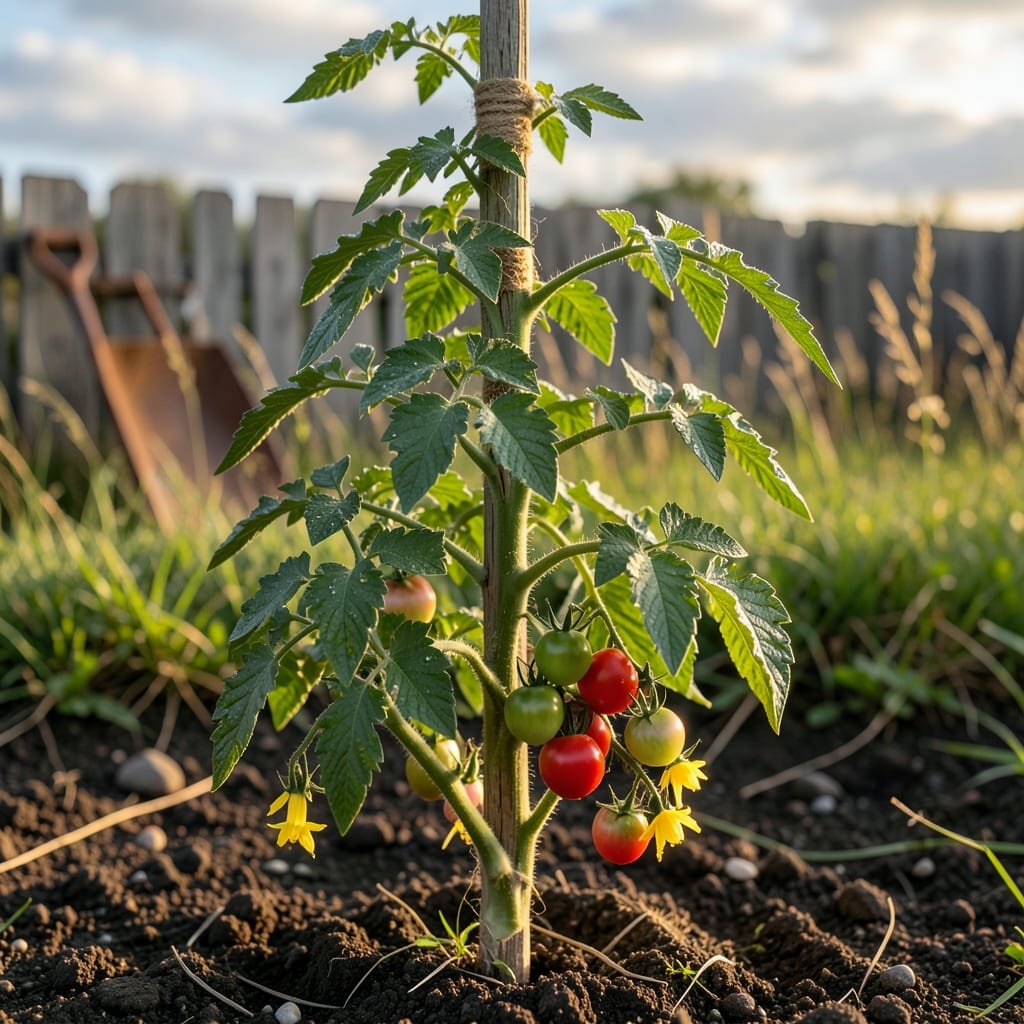
If you're wondering how tall can cherry tomato plants grow, the answer might surprise you—some varieties stay as short as 1 foot, while others can climb to 6 feet or more! This dramatic difference isn't just about space; it impacts everything from yield to care routine. Understanding these heights helps you choose the right variety for your garden and plan support structures before planting.
Cherry tomatoes come in three main growth habits: dwarf (compact), semi-determinate (moderate), and indeterminate (vining). Dwarf types like 'Tiny Tim' stay under 3 feet, making them perfect for containers or small spaces. On the other hand, indeterminate varieties such as 'Sweet Million' or 'Super Sweet 100' can grow 8 feet tall if left unchecked, requiring sturdy trellises or cages to prevent sprawling and disease.
Knowing your plant's potential height isn't just about aesthetics—it's about maximizing your harvest. Tall varieties produce fruit continuously over the season, while shorter ones may yield faster but stop earlier. I'll break down the best support systems for each type and share tips to keep your 🍅 plants healthy, no matter how tall they reach.
Whether you're a beginner or a seasoned gardener, getting this right means fewer headaches and more delicious tomatoes. Let's dive into the specifics so you can pick the perfect variety for your space and growing goals.


Cherry tomato plant heights by variety: dwarf to vining giants
Cherry tomatoes aren’t one-size-fits-all when it comes to height—some varieties stay as short as 1 foot, while others can tower over your fence at 8 feet or more. This diversity means you can grow them in containers, along trellises, or sprawling in ground beds, depending on your space and goals. The key difference lies in their growth habits: dwarf, semi-determinate, and indeterminate varieties each have distinct height ranges and care needs.
Understanding these differences helps you choose the right variety for your garden layout. For example, dwarf varieties like 'Tiny Tim' or 'Patio Princess' thrive in pots on patios, while indeterminate types like 'Sweet Million' or 'Sungold' need vertical support to reach their full potential. Even the semi-determinate varieties, such as 'Black Cherry' or 'Golden Sweet,' strike a balance—growing 4-5 feet tall but producing fruit in clusters rather than continuously.
Here’s the breakdown you need to plan your garden: compact varieties save space, while vining types maximize yield but require more structure. The right choice depends on whether you prioritize early harvests (bush types) or season-long production (indeterminate types). Let’s explore the specifics so you can pick the perfect match for your growing conditions.
🌱
The table above shows how variety selection directly impacts your garden’s layout. For instance, 'Tiny Tim' fits perfectly in a 5-gallon pot on your deck, while 'Sweet Million' needs a 6-foot trellis to prevent sprawling. Indeterminate varieties like 'Super Sweet 100' keep producing fruit all season if given enough vertical space, whereas dwarf types like 'Patio Princess' yield quickly but stop early.
If you’re short on space, prioritize dwarf or semi-determinate varieties—they’re forgiving and low-maintenance. But if you want a steady harvest, indeterminate types are worth the extra effort for support. Just remember: taller plants need more airflow to prevent disease, so avoid overcrowding even if they’re climbing.
🌿
Another critical factor is pruning. Indeterminate varieties benefit from regular pruning to direct energy toward fruit production rather than excessive foliage. For example, removing suckers (the shoots that grow between the stem and branches) can keep your 'Sweet Million' plants at a manageable 5-6 feet while boosting yield. On the other hand, dwarf varieties like 'Tiny Tim' rarely need pruning—they stay compact naturally.
Pro tip: If you’re growing in containers, choose dwarf varieties or prune indeterminate types aggressively to prevent root-bound stress. A 10-gallon pot can handle a pruned 'Sweet Million,' but it’ll never reach its full height without support. Conversely, in-ground plantings give indeterminate types the freedom to grow tall, provided you install sturdy trellises early.
🪴
Finally, don’t overlook climate considerations. In cooler regions (USDA zones 5-6), indeterminate varieties may struggle to reach their full height due to shorter growing seasons. In these cases, opt for semi-determinate types like 'Black Cherry,' which balance height and productivity. Meanwhile, in warmer zones (7-10), indeterminate varieties thrive with proper support, producing fruit well into fall.
Whether you’re a balcony gardener or managing a large plot, matching your cherry tomato variety to its ideal height range ensures a healthier plant and a bigger harvest. Next, we’ll cover when and how to provide support to keep your plants growing strong without compromising yield.
When and how to provide support for tall cherry tomato plants
Supporting your cherry tomato plants isn’t just about keeping them upright—it’s about maximizing fruit production, preventing disease, and saving yourself from a tangled mess. Tall varieties like Sweet Million or Super Sweet 100 can grow 6-8 feet tall, but without proper support, they’ll sprawl across your garden, inviting pests and fungal diseases like blight.
The key is to install support structures early, ideally within 2-3 weeks of transplanting. This gives roots time to establish while the plant learns to climb. For indeterminate varieties, a 6-foot trellis or sturdy cage is essential, while semi-determinate types may only need 4-foot stakes. I’ve found that bamboo stakes or tomato cages work best for most home gardens.
- Trellis: Best for indeterminate varieties (e.g., Sweet Million)
- Cage: Ideal for semi-determinate types (e.g., Sun Gold)
- Stakes: Works for dwarf varieties (e.g., Tiny Tim) or single plants
- Drive stakes or assemble cages 2-3 weeks after transplanting
- Use 3-4 stakes per plant for tall varieties to prevent leaning
- Tie vines to support with soft plant ties (avoid wire)
- Guide main stem upward, removing suckers below fruit clusters
- Remove lower leaves to improve airflow and reduce disease
- Limit branches to 2-3 per main stem for better fruit quality
- Check supports weekly for stability, especially after rain
- Add cross-bracing for trellises taller than 5 feet
Avoid common mistakes like waiting too long to install support—this can lead to weak stems that snap under the weight of fruit. I’ve also seen gardeners over-prune, which stresses the plant. The goal is to balance support and airflow while encouraging upward growth. For container growers, use tomato towers or hanging baskets with built-in supports to save space.
If you’re growing in a small space, consider vertical gardening with wall-mounted trellises. This not only saves ground space but also makes harvesting easier. Just ensure your support can handle the weight of ripe fruit, especially during peak production in July and August.
Finally, don’t forget to rotate supports occasionally to prevent vines from growing in one direction. This keeps the plant balanced and encourages even growth. With the right support, your cherry tomato plants will thrive, producing heavier yields and fewer problems.