Size
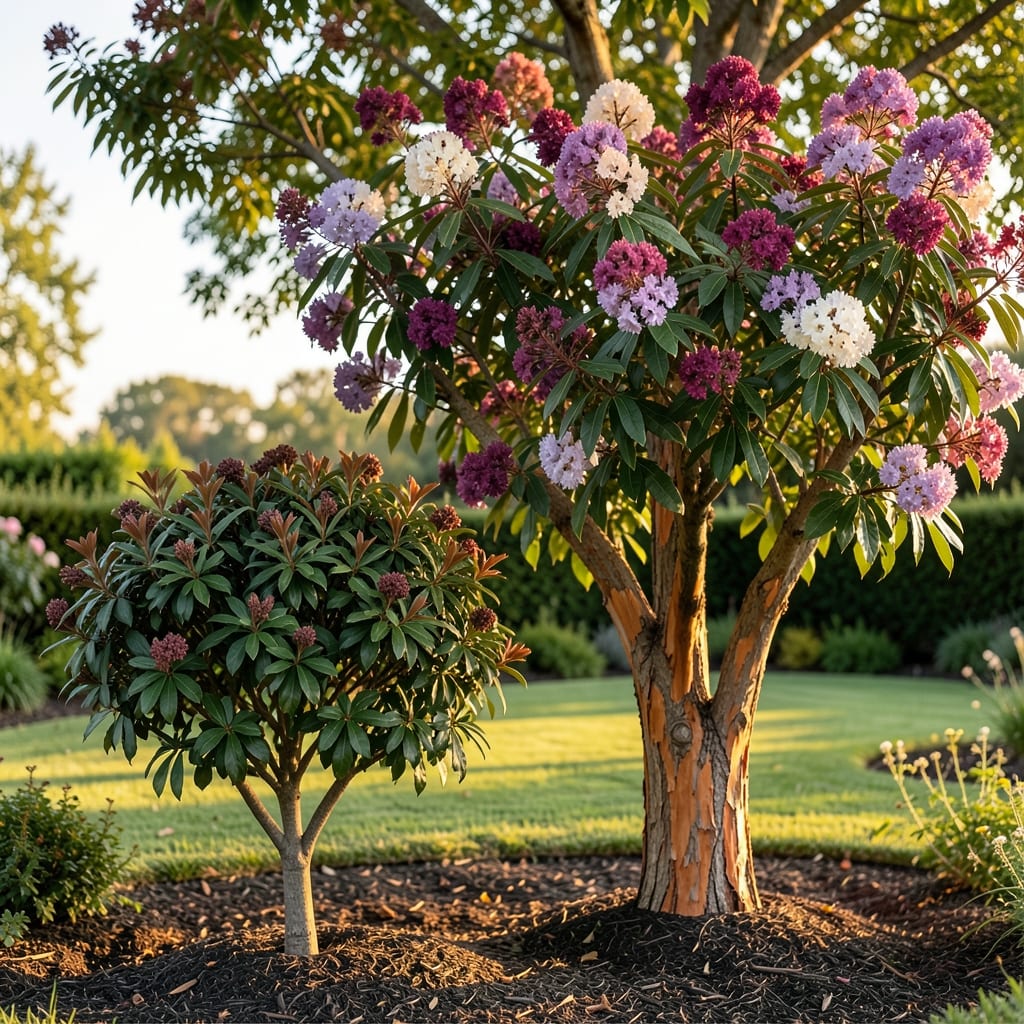
If you're planning to add a Crape Myrtle 🌸 to your landscape, one of the first questions you'll ask is how tall these stunning trees can grow. The answer isn't one-size-fits-all—some varieties stay compact while others reach towering heights, and choosing the right type for your space makes all the difference.
From petite dwarf varieties that top out around 6 feet to majestic standard trees soaring over 30 feet, crape myrtles offer options for every garden size. But their growth potential isn't just about genetics—soil quality, pruning habits, and even your local climate play huge roles in determining their final height.
Whether you're dreaming of a low-maintenance shrub or a statement tree that anchors your yard, understanding these factors will help you make the best choice. I'll break down the key varieties, share expert pruning tips, and show you how to keep your crape myrtle at the perfect height for your space.
Ready to transform your outdoor area with these versatile beauties? Let's dive into what you need to know to get the ideal size—and the stunning blooms—you're after.


Crape myrtle height variations by popular varieties (with mature size guides)
The first step to controlling your crape myrtle's height is choosing the right variety for your space. These trees come in three main size categories: dwarf, semi-dwarf, and standard. Each offers a distinct look and growth pattern, so let's explore the most popular options and their mature heights to help you make an informed decision.
Dwarf varieties are perfect for small yards or container gardening, while standard types need plenty of room to spread their wings. Understanding these differences will save you from future headaches—and potential pruning battles. Let's dive into the specifics so you can pick the perfect fit for your landscape.
🌱
| Variety | Mature Height | Spread | USDA Zones | Best For |
|---|---|---|---|---|
| Avalon | 6-8 ft | 5-6 ft | 6-9 | Small gardens, containers, urban landscapes |
| Centennial | 6-10 ft | 5-8 ft | 6-9 | Foundation planting, medium spaces |
| Muskogee | 10-15 ft | 8-12 ft | 6-9 | Medium yards, privacy screens |
| Natchez | 20-30 ft | 15-20 ft | 6-9 | Large properties, statement trees |
| Tonto | 12-15 ft | 10-12 ft | 7-9 | Semi-dwarf option for larger spaces |
| Rapids Blue | 15-20 ft | 12-15 ft | 6-9 | Color contrast in landscapes |
🌳 Pro Tip: Always check your local nursery for exact height measurements, as growing conditions can affect final size.
For example, the Avalon variety stays compact at just 6-8 feet, making it ideal for small urban gardens or even large containers. Meanwhile, the Natchez variety can reach 30 feet or taller, creating a dramatic focal point in spacious landscapes. If you're working with limited space, consider the Centennial, which offers a balanced 6-10 foot height perfect for medium-sized yards.
When selecting a variety, also consider the spread of the tree. Some crape myrtles, like the Muskogee, have a wide canopy that can reach 12 feet across. This means you'll need to account for both height and width when planning your planting location to avoid overcrowding other plants or structures.
Another critical factor is your USDA hardiness zone. Most crape myrtles thrive in zones 6-9, but some varieties like Tonto prefer slightly warmer climates (zones 7-9). Always verify the specific zone requirements for your chosen variety to ensure it will thrive in your area.
If you're unsure which variety to choose, consider your long-term landscape goals. Do you want a low-maintenance shrub for borders, or are you dreaming of a grand specimen tree that will be the centerpiece of your yard? The right choice depends entirely on your vision—and your available space.
🌿
How to control crape myrtle growth: pruning techniques for height management
Once you've chosen the right crape myrtle variety for your space, the next key step is managing its growth through proper pruning techniques. Even the smallest varieties can outgrow their welcome if not maintained, while larger trees need strategic pruning to stay healthy and shaped. The good news? With the right approach, you can keep your crape myrtle at your desired height while encouraging vibrant blooms and strong structure.
Timing is everything when it comes to pruning. I always recommend doing structural pruning in late winter (just before new growth begins) to shape young trees and remove any dead or weak branches. This gives your tree a clean start and prevents disease from spreading. For established trees, summer pruning after flowering helps maintain their shape without sacrificing next year's blooms.
🌱
For dwarf varieties like Avalon, light pruning is usually enough to maintain their compact size. Focus on removing any branches that grow outside their intended shape or crowd nearby plants. Semi-dwarf varieties like Muskogee may need more frequent pruning to control their 10-15 foot height, especially if you're using them as privacy screens.
When pruning larger varieties like Natchez, which can reach 30 feet, always use sharp, clean tools to make precise cuts just above a bud or branch collar. This prevents damage and encourages healthy regrowth. If you're dealing with an overgrown tree, consider rejuvenation pruning—cutting back all branches to 12-18 inches from the ground in late winter. This might seem drastic, but it's the fastest way to reset an overgrown crape myrtle and encourage new, vigorous growth.
Remember, consistency is key. Regular, light pruning sessions throughout the year will keep your crape myrtle looking its best without shocking the plant. And if you ever feel unsure about making a cut, it's always safer to prune less than more—you can always go back next season.
☀️