
Plants
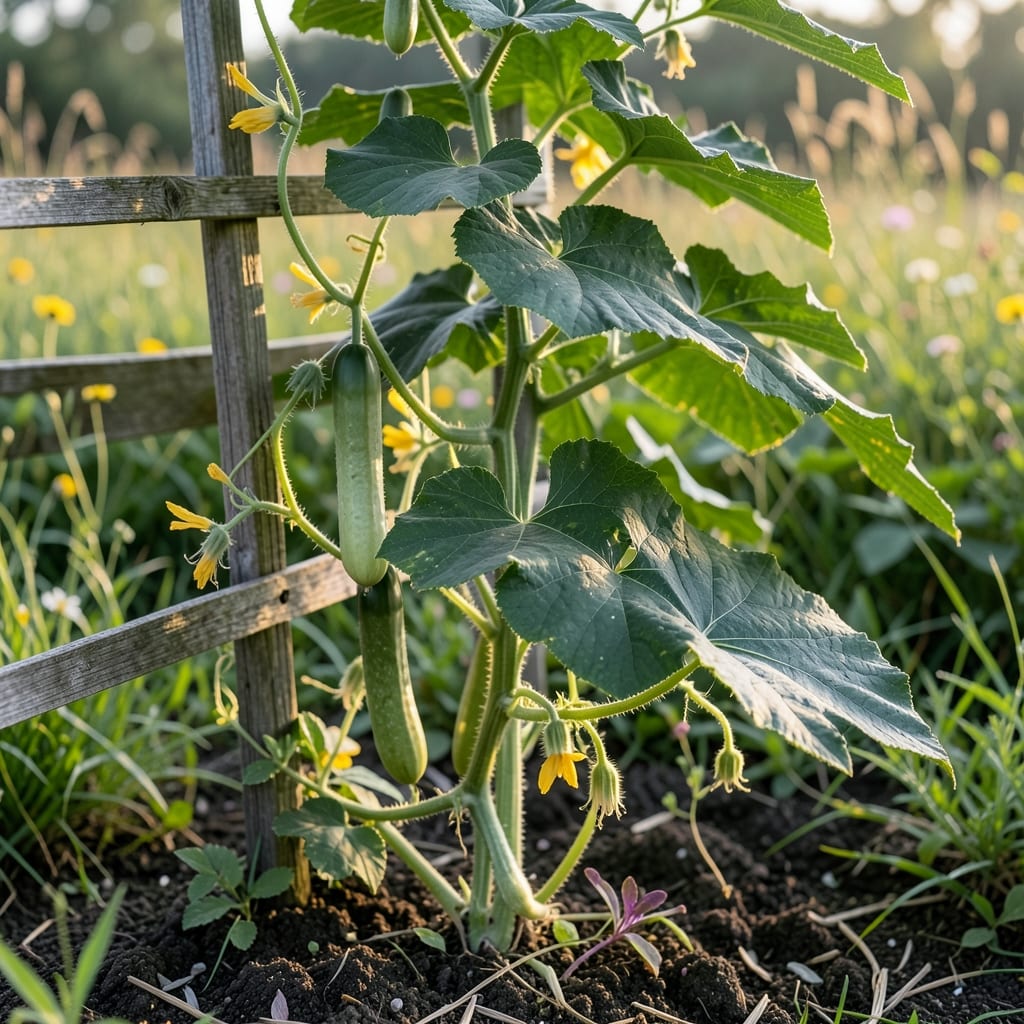
If you’ve ever glanced at your 🥒 cucumber plants and wondered how tall they can grow, you’re asking the right question. The answer isn’t one-size-fits-all—some varieties stretch like vines toward the sky, while others stay compact enough for even the smallest gardens. Understanding these differences is the first step to growing cucumbers that fit your space and your harvest goals.
For many gardeners, the surprise comes when their vining cucumbers reach 10 to 20 feet—or even taller—if left unchecked. Popular varieties like 'Straight Eight' can become towering giants, while bush types like 'Bush Champion' stay under 3 feet, making them perfect for containers or tight spaces. The key? Knowing which type you’re working with before you plant.
But height isn’t just about variety—it’s also about how you guide your plants. Trellises, pruning, and even your soil choices can push vines higher or keep them grounded. Whether you’re dealing with a sprawling vine or a tidy bush, learning these tricks will help you maximize your harvest without sacrificing your sanity (or your garden layout).
Ready to turn your cucumber patch into a productive, space-smart zone? Let’s break down the science behind their growth—and how to work with it, no matter how tall (or short) your plants end up.

Cucumber plant growth heights: vining vs. bush varieties explained
Cucumbers are famous for their dramatic growth habits—some varieties sprawl like wild vines while others stay neatly compact. The height difference between vining and bush varieties isn’t just about aesthetics; it affects yield, space needs, and even pest control. Let’s break down how tall cucumbers can grow and why some varieties stay small while others become 20-foot giants.
Most cucumbers fall into two main growth categories: vining types that climb or sprawl aggressively, and bush varieties that stay low to the ground. The genetic difference lies in their growth habit genes—vining types produce long, trailing stems, while bush varieties have compact, bushy growth due to shorter internodes. Understanding these differences helps you choose the right variety for your garden’s layout.
Vining cucumbers are the classic sprawlers, capable of reaching 10 to 25+ feet if left unchecked. Popular varieties like 'Straight Eight' and 'Marketmore' thrive when given support, like trellises or fences, to channel their energy upward. Without support, they’ll spread horizontally, covering 10+ square feet of garden space. These varieties are ideal for large gardens or vertical growing systems.
On the opposite end of the spectrum, bush cucumbers top out at 1 to 3 feet tall and wide, making them perfect for containers, small spaces, or even windowsills. Varieties like 'Bush Champion' and 'Spacemaster' produce fruit without sprawling, reducing the need for trellises. Their compact growth also means fewer pests and easier harvesting.
Here’s how the two types compare at a glance:
The height of your cucumber plants isn’t just about the variety—it’s also influenced by how you grow them. Vining types, for example, will grow taller when given vertical support, while bush varieties stay short regardless. Even within vining types, some genetic dwarfing occurs in semi-dwarf varieties, which reach 3 to 6 feet with minimal support. These are great for balconies or small patios where full vines would overrun the space.
If you’re growing cucumbers in containers or limited spaces, look for bush or semi-dwarf varieties labeled as "compact" or "space-saving." These are bred to stay small without sacrificing yield. For example, 'Diva' and 'Sweet Success' are popular bush types that produce 10–15 cucumbers per plant in just 1 square foot of space. That’s a game-changer for urban gardeners!
For those with large gardens or greenhouses, vining types offer higher yields because their longer vines produce more fruit. However, their aggressive growth requires planning—you’ll need to allocate at least 6–10 feet of space per plant or use trellises to contain them. Without support, vines can smother nearby plants and become a pest magnet due to dense foliage.
Pro tip: If you love vining cucumbers but lack space, try training them vertically. A 6-foot trellis can support a vine that would otherwise sprawl 20 feet. This not only saves space but also improves air circulation, reducing the risk of powdery mildew and other fungal diseases. Plus, harvesting is easier when cucumbers hang neatly on a trellis instead of hiding under leaves!
🌱
How to control cucumber plant height for small gardens
If your garden space is limited but you still want a bountiful cucumber harvest, don’t worry—you’re not stuck with either sprawling vines or tiny yields. With the right techniques, you can control cucumber plant height to fit even the smallest spaces. The key lies in variety selection, pruning strategies, and support systems that keep vines manageable without sacrificing productivity. Let’s explore how to tame those towering vines and make them work for your compact garden.
First, the easiest way to limit cucumber height is to choose bush or semi-dwarf varieties from the start. These are bred to stay 1 to 6 feet tall, making them perfect for containers, raised beds, or small garden plots. Varieties like 'Bush Champion' or 'Sweet Success' produce just as many cucumbers as their vining cousins but in a fraction of the space. For example, 'Diva' cucumbers thrive in 5-gallon containers and reach only 2 feet tall, yet yield 10–15 cucumbers per plant. That’s a game-changer for balconies or patios!
For those who love vining cucumbers but need to control their height, trellising is your best friend. A simple 6-foot trellis or cage can transform a sprawling 20-foot vine into a neat, vertical plant. Not only does this save space, but it also improves air circulation, reducing the risk of fungal diseases like powdery mildew. Plus, harvesting becomes a breeze when cucumbers hang where you can see them! Use strong, sturdy supports like bamboo stakes, wire trellises, or A-frame structures to guide the vines upward. For extra stability, tie the main stem to the trellis with soft plant ties or old fabric strips every 1–2 feet.
🌱 Space-Saving Cucumber Hacks
- ✅ Choose dwarf varieties: 'Bush Champion' (1–2 ft), 'Spacemaster' (2–3 ft), or 'Sweet Success' (compact vining).
- ✅ Use vertical supports: Install a 6-foot trellis to limit vine spread and improve airflow.
- ✅ Prune aggressively: Pinch off side shoots to redirect energy to fruit production.
- ✅ Train vines: Guide the main stem upward and remove lower leaves to keep the plant compact.
- ✅ Harvest frequently: Picking cucumbers regularly encourages bushier growth and prevents overgrowth.
- ✅ Container gardening: Plant in 5-gallon pots with balanced fertilizer (10-10-10) for optimal growth.
- ✅ Avoid overwatering: Keep soil consistently moist but not soggy to prevent leggy growth.
Pruning is another powerful tool to control cucumber plant height and encourage bushier, more productive growth. Start by removing side shoots (those small stems that grow from the main vine) when they’re only 2–3 inches long. This might seem counterintuitive—after all, more stems could mean more cucumbers—but pruning actually redirects energy to the main vine and existing fruit. For vining types, focus on keeping just 1–2 main stems and prune any weak or crowded growth. For bush varieties, light pruning can improve airflow and reduce disease risk.
If you’re growing cucumbers in containers or small spaces, container size matters. A 5-gallon pot is the minimum for a single bush cucumber plant, while vining types need at least 10 gallons to accommodate their roots. Use a well-draining potting mix with compost or worm castings to provide nutrients without overfeeding, which can lead to leggy growth. Place containers in a sunny spot (at least 6–8 hours of sunlight daily) and water deeply every 2–3 days to keep the soil consistently moist. Avoid letting the soil dry out completely, as this can stress the plant and stunt its growth.
For those with balconies or rooftop gardens, consider stackable planters or vertical gardening systems designed for cucumbers. These systems often include built-in trellises or pockets for vines to climb, making them perfect for urban gardeners. Just be sure to secure the containers against wind and provide adequate drainage to prevent root rot. With the right setup, you can grow full-sized cucumbers in a space no larger than a 2-foot square!
🌿