Flowers
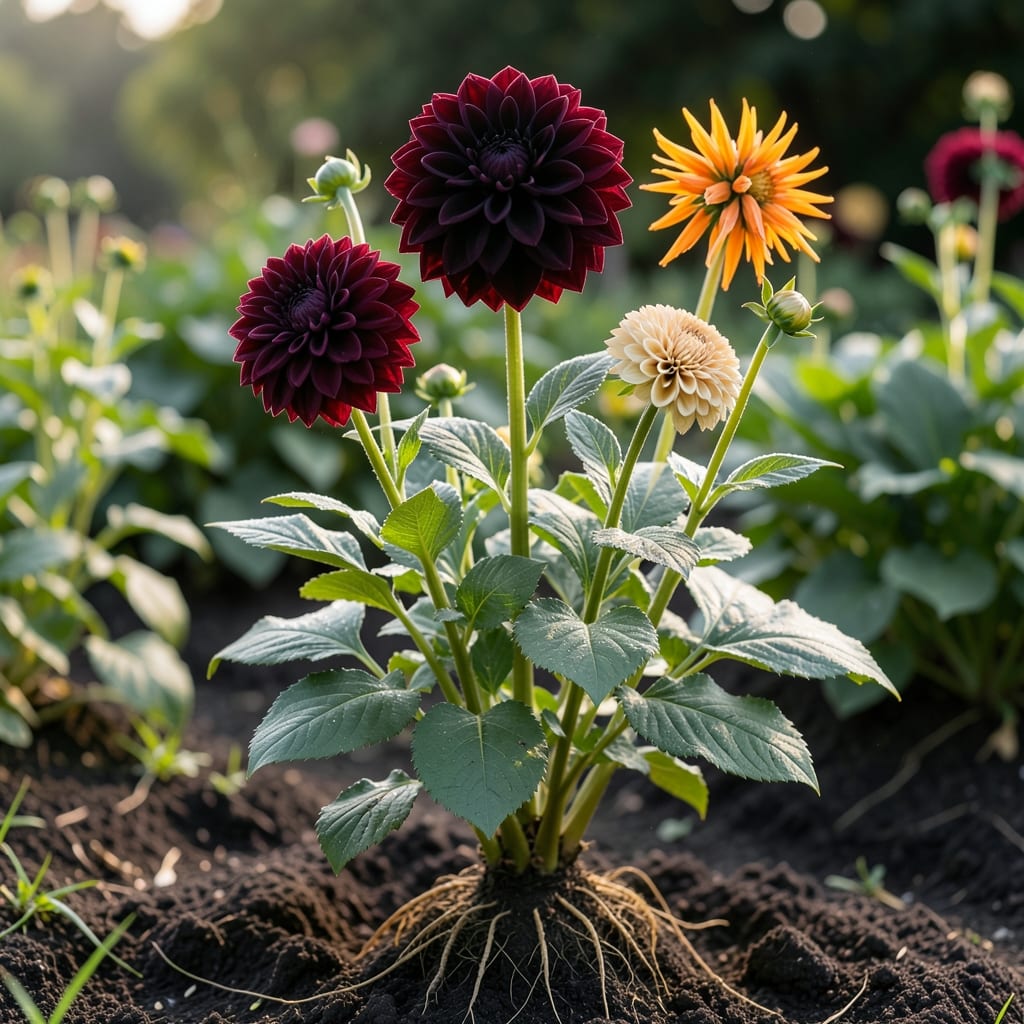
If you’ve ever wondered just how tall that stunning 🌼 dahlia in your neighbor’s garden really is, the answer might surprise you—some varieties grow taller than a basketball hoop, reaching heights of 7 feet or more!
But here’s the catch: not all dahlias are created equal. Whether you’re dreaming of dramatic dinnerplate blooms or compact cactus varieties, the height depends entirely on the type you choose. From dwarf varieties that stay under a foot to towering giants that need serious support, dahlias offer something for every garden space.
In this guide, I’ll break down exactly how tall dahlias can grow, which varieties hit those impressive heights, and the simple care tips to help your dahlias reach their full potential—without flopping over like overgrown weeds.
Ready to grow dahlias that turn heads? Let’s dive into the world of these giant garden stars and discover how to cultivate them like a pro.


Dahlia height ranges: from compact to 7-Foot giants
Dahlias are one of the most versatile flowers in the garden, offering heights that range from tiny tabletop varieties to towering giants that rival small trees. If you’ve ever wondered just how tall these beauties can grow, the answer depends entirely on the variety you choose—and your garden might be the perfect stage for them!
The shortest dahlias, like dwarf varieties, stay between 8 to 18 inches tall, making them ideal for container gardens or borders. Meanwhile, the tallest dahlias can reach an impressive 7 to 8 feet, perfect for creating dramatic focal points or cutting gardens. The key is selecting the right type for your space and care goals.
Here’s how dahlia heights break down by category, so you can pick the perfect variety for your garden’s layout and your design vision.
| Variety Type | Height Range | Best For | Example Varieties |
|---|---|---|---|
| Dwarf | 8–18 inches | Containers, borders, small gardens | 'Bishop', 'Mignon' |
| Semi-Dwarf | 18–24 inches | Front of beds, window boxes | 'Little Princess', 'Café au Lait' |
| Standard | 2–4 feet | Mixed borders, cut flowers | 'Café au Lait', 'Thomas Edison' |
| Medium-Tall | 4–5 feet | Back of borders, trellises | 'Karma Choc', 'Bishop' |
| Tall | 5–7 feet | Cutting gardens, focal points | 'Black Narcissus', 'Galaxy' |
| Giant | 7–8 feet | Dramatic displays, large gardens | 'Dressel', 'Radar Love' |
As you can see, the height potential of dahlias is staggering. A 7-foot-tall dahlia isn’t just a pretty face—it’s a statement piece that can transform your garden into a lush, eye-catching landscape. But before you rush to plant the tallest variety, consider your garden’s space constraints and your ability to provide the necessary support and care.
For example, a giant dahlia like 'Dressel' can reach 8 feet with proper care, but it will need heavy-duty staking or a cage to stay upright. On the other hand, a dwarf variety like 'Bishop' stays compact and thrives in small pots or window boxes without any fuss. The choice is yours!
If you’re aiming for maximum height, focus on giant or tall varieties and prioritize rich soil, consistent watering, and regular pruning to encourage strong stem growth. In my experience, the difference between a 4-foot and a 7-foot dahlia often comes down to these care details.
One common misconception is that all dahlias grow tall—they don’t. The dwarf and semi-dwarf types are perfect for gardeners with limited space or those who prefer a neater, more controlled look. Meanwhile, the tall and giant varieties are for those who want to make a bold impact and don’t mind putting in the extra effort to keep them standing.
Whether you’re a beginner gardener or a seasoned pro, understanding these height ranges will help you plan your garden layout and choose the perfect dahlias for your vision. And remember, even the tallest dahlias start small—so give them time, patience, and the right conditions, and you’ll be rewarded with stunning blooms that reach for the sky!
Next, let’s dive into how to grow tall dahlias without flopping, so you can enjoy those dramatic heights without the drama of weak stems or fallen blooms.
How to grow tall dahlias without flopping: essential support and care tips
Towering dahlias need more than just good soil—they require strategic support to reach their full height potential. Without proper care, even the tallest varieties can flop like overgrown weeds, leaving you with a sad, sprawling mess instead of a stunning vertical display. The key is combining sturdy staking, pruning techniques, and nutrient-rich soil to encourage strong stems and steady growth.
First, let’s talk about staking. Dahlias over 4 feet tall need support, and bamboo stakes or metal cages are my go-to choices. For giant varieties (6-8 feet), use 3-4 stakes per plant, tying stems gently with soft plant ties every 12 inches. This prevents wind damage and keeps blooms upright for cutting or display.
Here’s where many gardeners go wrong: over-pruning. While pinching back early shoots encourages bushier growth, aggressive pruning too late in the season can weaken stems. Instead, focus on removing spent blooms and any leggy growth below the first set of strong leaves. This redirects energy upward, helping your dahlias grow taller and straighter.
🌱 Step-by-Step Guide to Growing Tall Dahlias
- 1. Stake Early: Install stakes at planting (April-May) to avoid root disturbance. Use 3-4 stakes per plant for giants.
- 2. Prune Strategically: Pinch back first 5-7 inches of new growth to encourage branching. Remove only dead or crossing stems later.
- 3. Feed Regularly: Apply balanced fertilizer (5-10-10) every 4-6 weeks during growing season (May-September).
- 4. Water Deeply: Soak soil 1 inch per week, focusing on the base. Avoid wetting foliage to prevent mildew.
- 5. Mulch Heavily: Use 3-4 inches of mulch (straw or shredded leaves) to retain moisture and protect roots.
- 6. Deadhead Daily: Remove spent blooms to encourage new flowers and prevent energy drain from seed production.
Don’t overlook the power of soil nutrition. Dahlias are heavy feeders, so amend your soil with compost and aged manure before planting. A pH of 6.0-7.0 is ideal, and adding a handful of bone meal at planting time boosts phosphorus for stronger roots. For container-grown dahlias, use a well-draining potting mix with added perlite to prevent root rot.
One of my biggest lessons? Timing matters. If you’re growing dahlias in cooler climates (USDA zones 3-5), start tubers indoors in March for a head start. Harden off plants before transplanting after the last frost (typically mid-April). This extra time ensures taller growth by the peak blooming season (July-October).
For extra-tall varieties, consider using a trellis system instead of individual stakes. This works beautifully for dinnerplate dahlias like 'Black Narcissus', which can top 7 feet with proper support. Just ensure the trellis is buried 12 inches deep for stability and tie stems securely every 6 inches.