Size
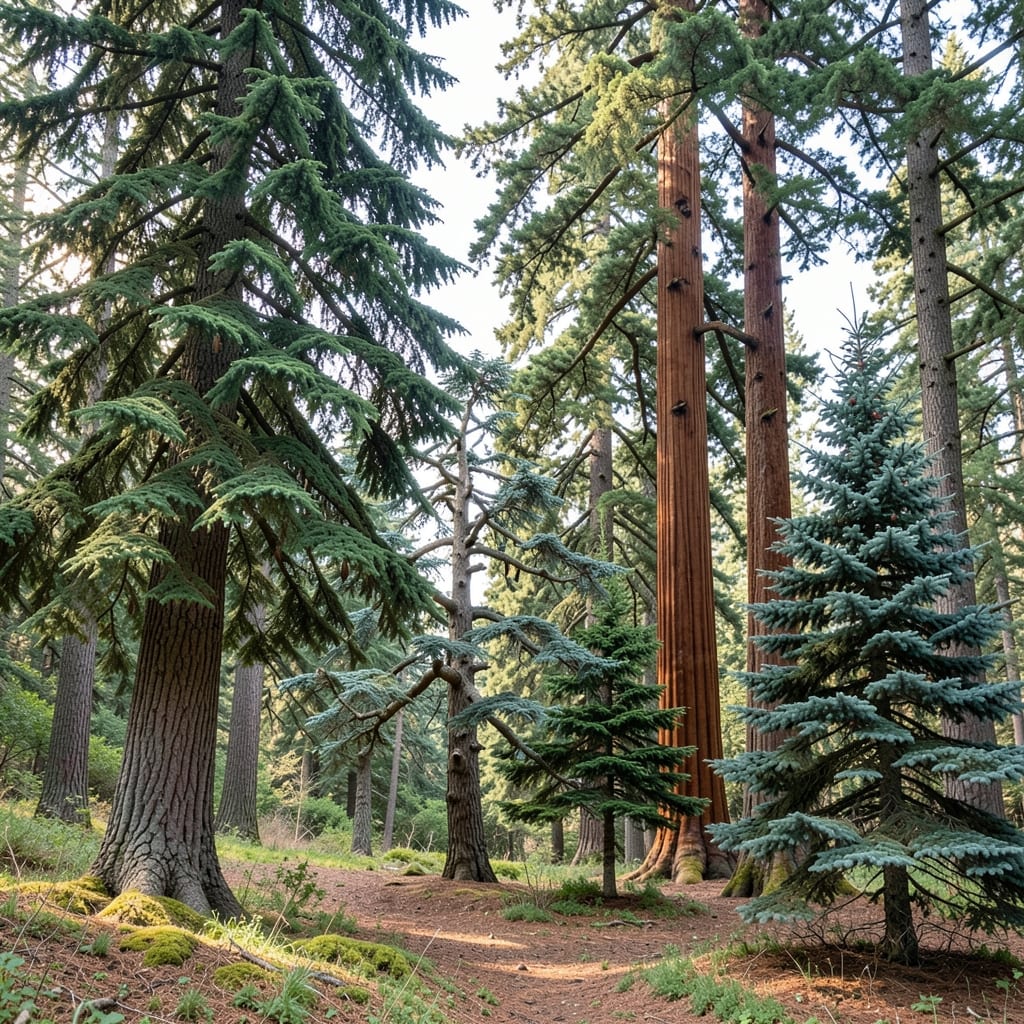
10 Tallest evergreen trees in the world and their maximum heights
Evergreen trees like coast redwoods and giant sequoias push the limits of nature’s architecture, reaching heights that dwarf skyscrapers. The tallest evergreens—mostly conifers—can grow over 300 feet, with some species like the coast redwood (Sequoia sempervirens) holding the record for the world’s tallest trees. These giants aren’t just impressive; they’re also ecological powerhouses, shaping entire ecosystems.
If you’re planning a landscape or simply curious about nature’s skyscrapers, knowing these height benchmarks helps you appreciate their scale. For example, a mature Douglas fir can rival a 10-story building, while a coast redwood might stretch taller than the Statue of Liberty’s full height of 305 feet. Let’s explore the top 10 tallest evergreen trees and their staggering growth potential.
⚠️ CRITICAL NOTE: These heights are for wild-grown specimens in ideal conditions. Home gardeners will rarely see such sizes—most evergreens stay under 40 feet unless grown in container systems or pruned aggressively. Always check local regulations before planting towering species.
The coast redwood
Factors that determine evergreen tree height: genetics, climate, and care
Evergreen trees reach their full height through a mix of genetics, environmental factors, and human care. While a coast redwood might grow 380 feet in its native foggy climate, the same species in your backyard could stay under 50 feet. This difference comes down to three key variables: what’s in their DNA, where they’re planted, and how they’re maintained.
Genetics set the maximum potential height—for example, giant sequoias are hardwired to grow wider rather than taller, while Douglas firs focus their energy upward. Climate plays an equally critical role: coastal fog fuels redwood growth, while drought conditions stunt pine trees. Even soil quality matters—a nutrient-rich, well-draining mix can accelerate growth by up to 30% compared to poor soil.
Your care routine also shapes height. Pruning techniques like crown thinning encourage upward growth, while root pruning can limit height if you want a smaller tree. Overwatering or underwatering stresses roots, slowing vertical expansion. Let’s break down these factors with a clear comparison to help you control—or maximize—evergreen height in your garden.
For fast-growing evergreens like Leyland cypress or Eastern white pine, focus on well-draining soil and consistent watering to hit their 1–3 feet per year potential. Slower growers like Norway spruce (0.5–1.5 ft/year) need patience but thrive in cooler climates. If you’re aiming for a privacy screen, pair fast growers with regular pruning to maintain a dense, manageable shape.
One often-overlooked factor is wind exposure. Coastal evergreens like Sitka spruce grow taller in windy conditions as a survival adaptation, while inland species may become top-heavy and prone to splitting. Always stake young trees in exposed areas to prevent damage. With the right balance of these factors, you can guide evergreens to reach their ideal height—or keep them compact for small spaces.
Remember, even the tallest evergreens start small. A coast redwood seedling grows just 2–5 feet in its first year, proving that patience and proper care are the keys to unlocking their full potential. 🌲