
Flowers
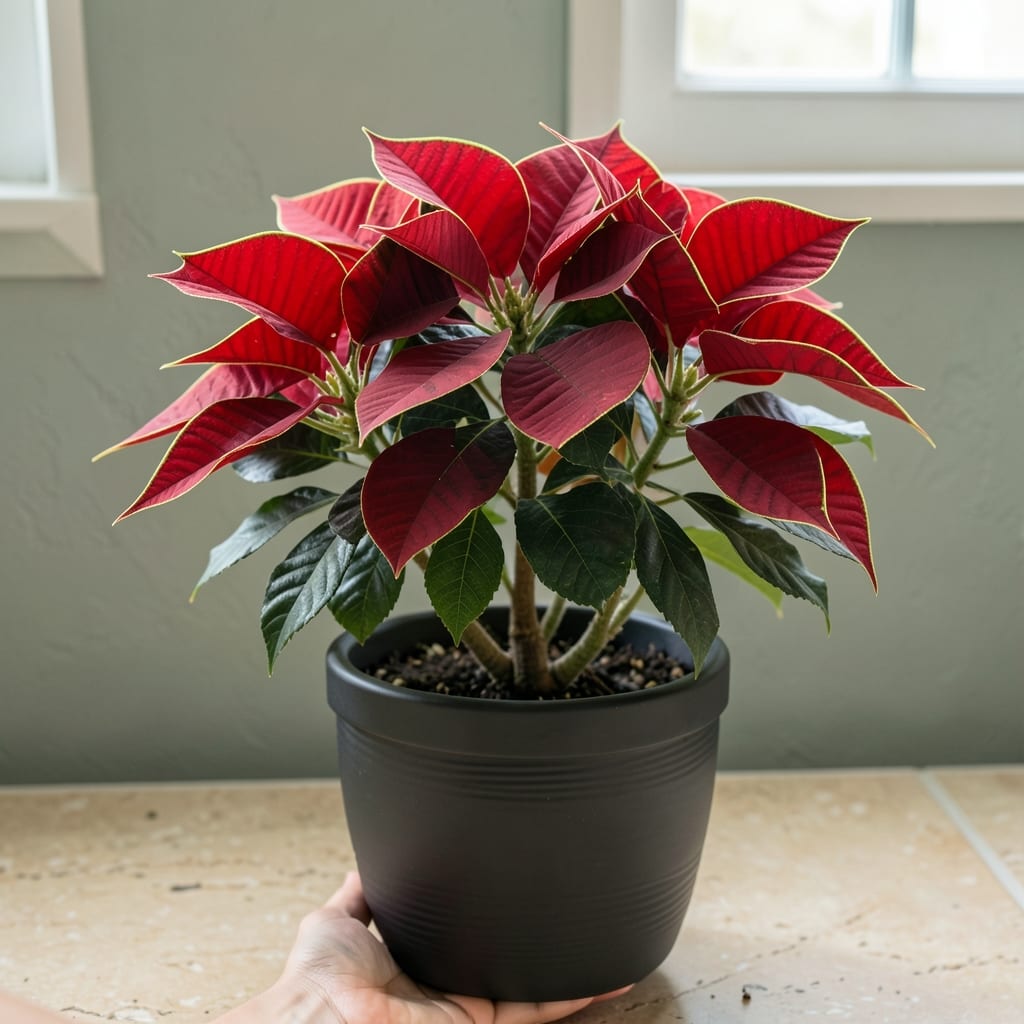
Wondering how tall can poinsettias grow? These festive 🎄 plants might surprise you—they can range from tiny tabletop companions to towering statement pieces, depending on the variety and care you provide.
Most poinsettias you’ll find in stores top out between 2 and 4 feet indoors, but with the right conditions, some varieties can stretch even taller. Whether you’re dreaming of a compact centerpiece or a dramatic holiday centerpiece, understanding their growth potential is key.
Light exposure, pruning habits, and even the pot size play a huge role in shaping their height. For example, dwarf varieties stay under 12 inches, while standard types reach their full 3-4 foot glory with proper care.
Let’s break down the factors that influence their growth—and how you can guide your poinsettia to reach (or stay) exactly the height you want for your space.

Poinsettia height by variety: dwarf to giant sizes explained
Poinsettias aren’t one-size-fits-all—their height varies dramatically by variety, from miniature tabletop plants to floor-standing giants. Choosing the right type for your space ensures your poinsettia thrives while meeting your decorative goals. Here’s what to expect from popular cultivars and how to care for each to maximize their potential height.
If you love compact designs, dwarf varieties like 'Christmas Eve' stay under 12 inches tall, perfect for mantels or desktops. These work well in small pots and need minimal pruning to maintain their tidy shape. Their slow growth makes them ideal for beginners or busy gardeners who prefer low-maintenance plants.
For a classic holiday centerpiece, standard varieties like 'Premium Red' or 'V-14 Glory' reach 2 to 3 feet tall. These are the most common poinsettias sold in stores and adapt well to indoor conditions with proper light. Their balanced size makes them versatile for tables, shelves, or as standalone decor.
The real showstoppers are giant varieties, such as 'Giant Poinsettia' or 'Winter Rose', which can tower up to 4 feet or more. These need spacious pots (at least 12 inches wide) and strong light exposure to support their height. They’re best suited for large spaces or as dramatic focal points in entryways.
| Variety | Mature Height | Ideal Pot Size | Light Needs | Pruning Tip |
|---|---|---|---|---|
| Christmas Eve | 6–12 inches | 5–7 inches | Bright indirect | Minimal pruning |
| Premium Red | 2–3 feet | 8–10 inches | 6–8 hours daily | Pinch young shoots |
| Giant Poinsettia | 3–4 feet | 12+ inches | Full sun exposure | Support stems early |
| Easy Care | 1–2 feet | 6–8 inches | Moderate light | Trim leggy stems |
| Winter Rose | 2.5–3.5 feet | 10–12 inches | Bright indirect | Prune in spring |
Light exposure is critical for achieving a poinsettia’s maximum height potential. Place your plant near an east or west-facing window to avoid harsh afternoon sun, which can scorch leaves and stunt growth. If natural light is limited, supplement with a grow light for 6–8 hours daily, especially in winter when days are shorter.
Soil quality also plays a role—poinsettias thrive in well-draining, slightly acidic soil (pH 6.0–6.5). Use a lightweight potting mix blended with perlite or orchid bark to prevent root rot, which can weaken stems and limit height. Overcrowded roots in small pots will also restrict growth, so upgrade containers as your poinsettia matures.
Don’t overlook the temperature factor. Poinsettias prefer 65–75°F during the day and 55–60°F at night. Drafts from windows or vents can cause stress, leading to uneven growth or leaf drop. Keep your plant in a consistent environment to encourage steady height development.
For outdoor growers in warm climates (USDA zones 9–11), poinsettias can grow even taller—up to 10 feet when planted in the ground. Treat them as tender perennials and protect them from frost. In these conditions, they may even rebloom the following year with proper care.
5 Factors that determine how tall your poinsettia will grow
If you’ve ever wondered why your poinsettia grows like a bush one year and a tower the next, the answer lies in these five key factors. Understanding them lets you shape your plant’s height—whether you want a compact centerpiece or a statement holiday plant. Let’s dive into what really controls their growth.
The light exposure your poinsettia receives is the #1 factor. Too little light stunts growth, while bright indirect light (6-8 hours daily) encourages them to reach their full height. Place yours near an east- or west-facing window for ideal results. Without enough light, expect shorter, leggy growth—and those vibrant bracts may fade.
Here’s the kicker: Pruning timing can either promote bushier growth or let your poinsettia stretch tall. Prune in early spring to encourage multiple stems and compact size, or skip pruning to let it grow taller. The wrong timing can lead to uneven growth or even no blooms at all.
The container size you choose directly affects height. Poinsettias in small pots (under 6 inches) stay compact, while those in 12-inch pots can reach their full 3-4 foot potential. If you’re growing a standard variety, opt for a larger pot—but be prepared for faster growth and heavier plants.
Don’t overlook watering habits, either. Overwatering leads to root rot, which stunts growth and weakens the plant. Aim for consistent moisture (not soggy soil) and let the top inch dry out between waterings. Too little water? Your poinsettia may grow slowly or unevenly, with droopy leaves.
Finally, temperature plays a subtle but critical role. Poinsettias thrive in warmth (65-75°F), which encourages steady growth. Drop temperatures below 50°F, and you’ll see slowed development—or even bloom failure. Keep them cozy indoors during fall and winter for the best height results.
By mastering these five factors, you’ll have full control over your poinsettia’s height—whether you’re aiming for a tiny tabletop or a holiday showstopper. Start experimenting this season! 🎄