How To
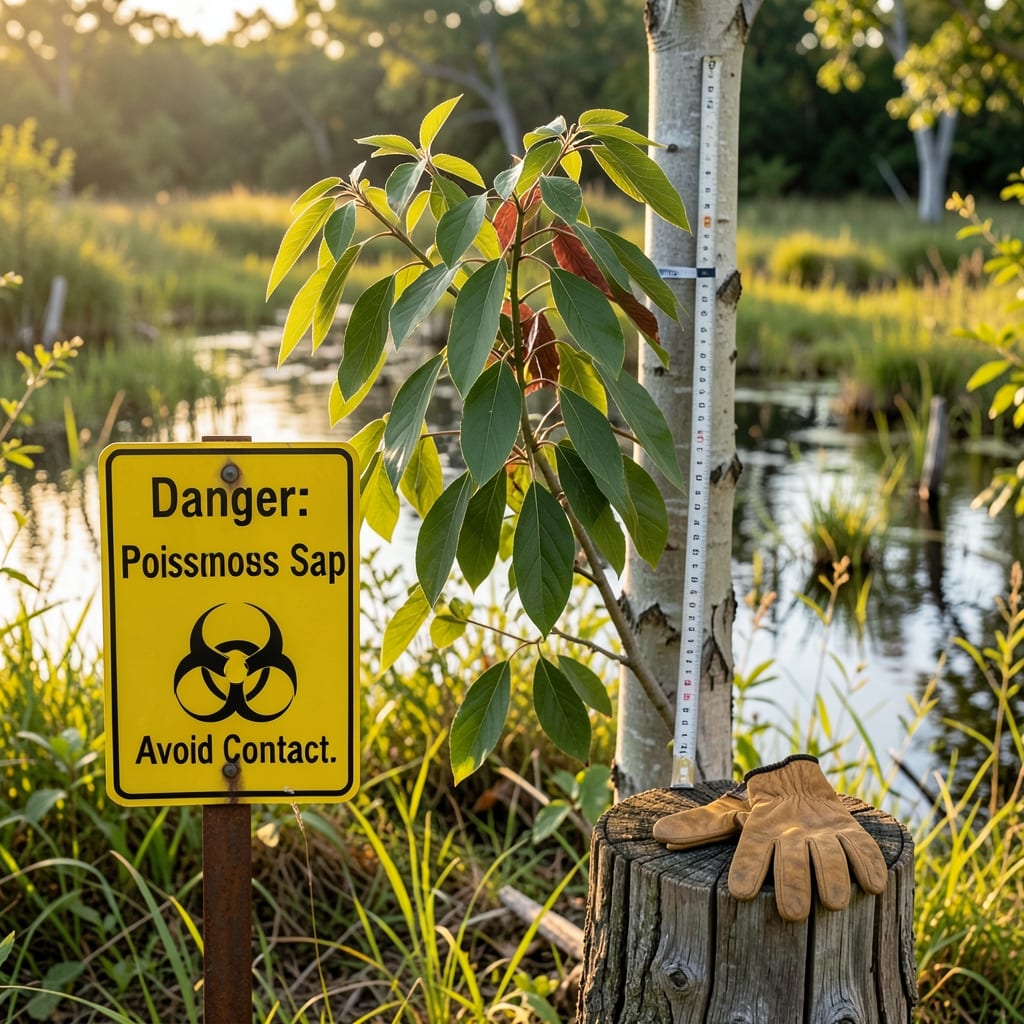
If you’ve ever spotted poison sumac 🌿 lurking near wetlands or along property edges, you know its how tall can poison sumac grow isn’t just intimidating—it’s a dangerous one. This aggressive shrub can reach heights of 15 to 25 feet, making it one of the most formidable plants in its ecosystem.
Understanding how tall poison sumac grows is the first step to protecting yourself and your property. Unlike harmless sumac varieties, this toxic plant spreads rapidly in damp conditions, and its sap can cause severe skin reactions. Let’s break down what you need to know about its growth habits and why early identification is critical.
From its clustered leaves to its signature red berries, poison sumac has distinct traits that set it apart from other plants. But its height isn’t the only concern—its fast spread and resistance to removal make it a persistent threat. I’ll show you how to spot it early and what to do if it’s already taken root near your home.
Whether you’re dealing with a small patch or a full-grown specimen, knowing how tall poison sumac can grow will help you take the right precautions. Stay safe and informed—because this plant doesn’t play around.

Poison sumac growth height: how tall can it really get?
Poison sumac 🌿 is one of the most alarming plants you might encounter in wetland areas or along property edges. Its height alone makes it intimidating, but understanding how tall it can grow is crucial for safety. Mature specimens typically reach 15 to 25 feet, towering over most shrubs and even small trees in its native habitat.
What’s striking is how quickly poison sumac grows. In its first year, young plants may only reach 2 to 4 feet, but by year three, they can already be 10 to 15 feet tall. This rapid growth rate means what starts as a small patch can quickly become an unmanageable problem.
The maximum height of poison sumac depends heavily on environmental conditions. In ideal wetland settings with abundant moisture, it can easily surpass 20 feet, creating dense thickets that are nearly impossible to remove manually. These towering plants often dominate their surroundings, outcompeting native vegetation.
🌱 Poison Sumac Growth Summary
| Growth Stage | Height Range | Timeframe |
|---|---|---|
| Seedling | 1–3 inches | First few weeks |
| First Year | 2–4 feet | Spring to fall |
| Second Year | 6–10 feet | Rapid vertical growth |
| Mature Plant | 15–25 feet | 3+ years |
The height of poison sumac isn’t just about its size—it’s also a warning sign of its toxicity. Larger plants produce more urushiol oil, the compound responsible for severe allergic reactions. This oil is found in all parts of the plant, including the leaves, stems, and even the roots, making contact dangerous at any stage of growth.
Regional variations also play a role in how tall poison sumac grows. In the southeastern United States, where wetlands are abundant, it often reaches its maximum height of 25 feet. However, in drier climates or upland areas, it may remain shorter, around 10 to 15 feet, but still poses a significant risk.
One of the most concerning aspects of poison sumac’s growth is its ability to spread aggressively through both seeds and root sprouts. A single mature plant can produce thousands of seeds, each capable of germinating and growing into a new plant. This means a small infestation can quickly become a full-blown problem if left unchecked.
If you’re dealing with poison sumac near your property, early identification is key. Look for its distinctive clusters of 7–13 leaves and bright red berries, which are a dead giveaway. The sooner you recognize it, the easier it is to control before it reaches dangerous heights and dominates your landscape.
Understanding how tall poison sumac can grow also helps you assess the risk. A 25-foot-tall plant isn’t just a nuisance—it’s a potential hazard. Its height means it can spread its toxic sap further, increasing the risk of accidental contact. Always treat it with caution and consider professional removal if it’s already established on your property.
In the next section, I’ll cover how fast poison sumac spreads and the best methods to control its aggressive growth before it becomes unmanageable. Don’t let it take over—act early to protect your yard and your family’s safety.
Poison sumac growth height: how tall can it really get?
Poison sumac is no ordinary shrub—it’s a towering menace that can reach heights of 15 to 25 feet under ideal conditions. Unlike its non-toxic cousins, this plant doesn’t just grow tall; it dominates landscapes with alarming speed, especially in wet, swampy areas where it thrives. The taller it grows, the more dangerous it becomes, as its toxic sap spreads across larger surfaces.
What makes poison sumac’s height particularly concerning is how quickly it matures. In just 3 to 5 years, a small sapling can balloon from 2 feet to a towering 15-foot shrub, rivaling small trees. This rapid growth is fueled by its love for moist, nutrient-rich soil, often found near ponds, streams, or poorly drained yards.
Here’s the breakdown of its growth stages and mature height, so you can recognize it before it becomes unmanageable:
Regional variations play a role too. In southern states like Florida or Louisiana, where wetlands are abundant, poison sumac often hits its maximum height of 25 feet. Meanwhile, in drier northern climates, it may stay shorter—around 10 to 15 feet—due to less moisture. However, even a smaller specimen is dangerous, as its allergenic urushiol oil can cause severe rashes or blisters on contact.
One of the most alarming aspects of poison sumac’s height is how it correlates with its spread potential. Taller plants produce more seeds, which can travel via water or wildlife, creating new colonies. A single mature shrub can drop hundreds of berries, each capable of sprouting into a new toxic threat. This is why early detection—and removal—is critical before it reaches its full height.
If you’re dealing with a young poison sumac, act fast. The sooner you address it, the less it will grow, and the safer your property will be. But remember: never attempt to remove it alone. The sap is highly toxic, and proper protective gear is a must. I’ll cover safe removal strategies in the next section, so you’re prepared to tackle this invasive plant head-on.