Succulent
Ever wondered how tall succulents can grow—whether your tiny 🌵 will stay small forever or surprise you with towering growth? The answer depends entirely on the variety, and the range is wilder than you think. Some stay compact enough to sit on a windowsill, while others grow tall enough to reach your ceiling!
If you're curious about how tall your succulents can grow, you're not alone—many gardeners start with a small plant only to be amazed (or overwhelmed) by its mature size. From the delicate Echeveria that tops out at just a few inches to the Agave that can stretch over 10 feet tall, the possibilities are endless.
But here's the kicker: the height of your succulent isn't just about genetics—it's also about how you care for it. Light, pot size, and even pruning can make a huge difference in whether your plant stays small or shoots up like a skyscraper. Let's break down what you need to know to encourage (or control) your succulent's growth.
In this guide, I'll share the exact height ranges for popular varieties, plus pro tips to help you manage your plant's size—whether you want a tiny tabletop centerpiece or a dramatic statement piece. Ready to find out how tall your 🌵 succulent can really get?


Succulent height ranges by variety: from tiny to towering
Succulents come in a stunning variety of sizes, from tiny tabletop plants to tree-like giants that dominate your garden. The height of your succulent depends entirely on its species, with some staying under 6 inches while others reach 10 feet or more! Understanding these ranges helps you choose the perfect plant for your space and care needs.
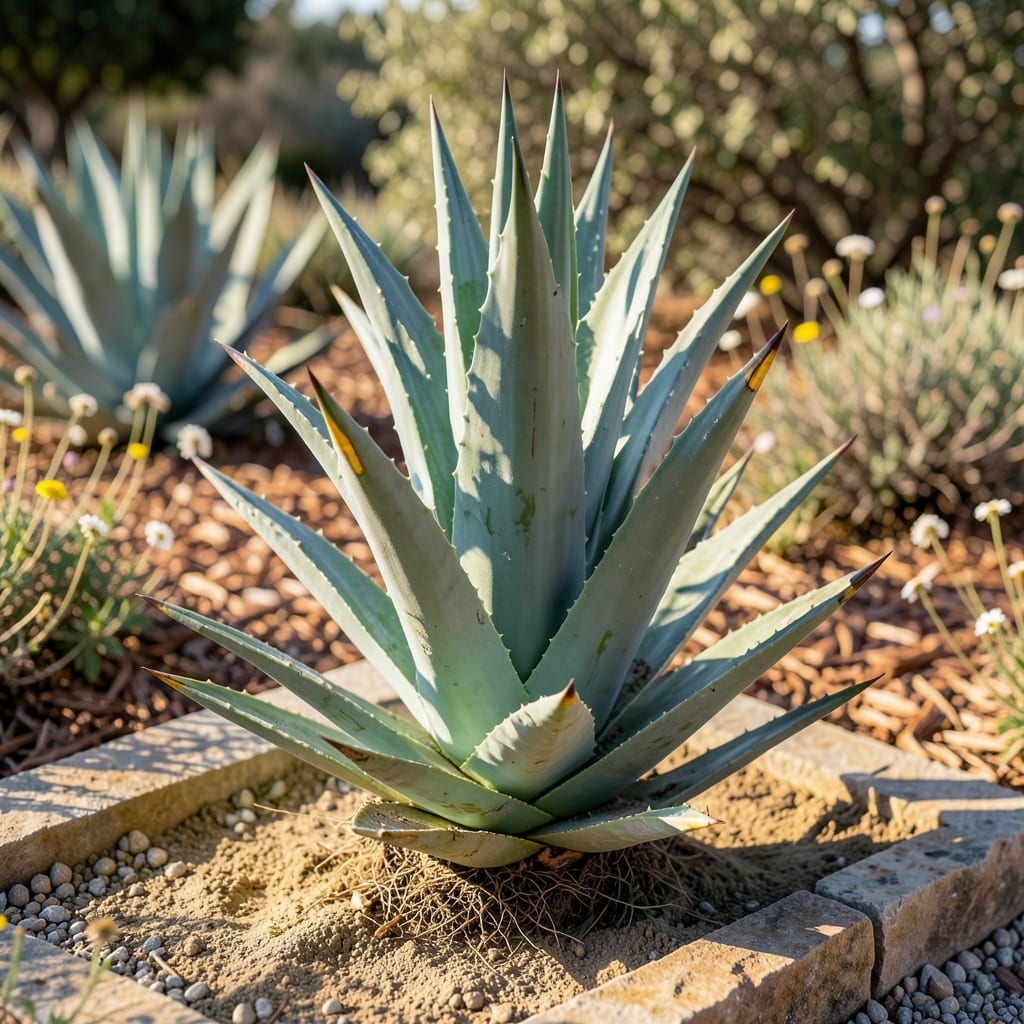
For example, Echeveria and Haworthia stay compact, perfect for windowsill gardens, while Agave and Yucca grow tall enough to rival small trees. Even within the same genus, like Aloe, you’ll find dwarf varieties under 1 foot and towering species over 3 feet. Let’s explore the full spectrum!
| Category | Variety | Mature Height | Growth Habit |
|---|---|---|---|
| Dwarf (<6") | Echeveria 'Lola' | 2-4" | Rosette-forming |
| Dwarf (<6") | Haworthia attenuata | td style="padding: 8px; vertical-align: middle;">3-5"Clumping | |
| Semi-Dwarf (6-24") | Jade Plant (Crassula ovata) | 1-3 ft | Shrubby |
| Semi-Dwarf (6-24") | Aloe vera | 1-2 ft | Stemless rosette |
| Medium (2-6 ft) | Snake Plant (Sansevieria) | 2-4 ft | Upright |
| Medium (2-6 ft) | Agave parryi | 2-3 ft | Rosette |
| Giant (6+ ft) | Agave americana | 6-10 ft | Tree-like |
| Giant (6+ ft) | Yucca elephantipes | 8-12 ft | Tree-like |
If you’re planning a succulent garden, consider the mature height of each variety. For example, Echeveria and Haworthia make ideal fairy garden plants or windowsill companions, while Agave and Yucca thrive as outdoor statement plants in dry climates. Even small succulents like Lithops (under 2 inches) can pack a visual punch in rock gardens.
Some succulents, like the Panda Plant (Kalanchoe tomentosa), stay under 1 foot but spread wide, making them perfect for hanging baskets. Others, like the Blue Chalksticks (Senecio serpens), grow just 6 inches tall but trail beautifully, ideal for vertical gardens. Always check the species name for accurate height expectations—some hybrids or cultivars can vary significantly!
For indoor growers, tall succulents like Haworthia or Gasteria (up to 2 feet) work well on bookshelves, while short varieties like String of Pearls (Senecio rowleyanus) add texture without taking up space. If you love large succulents but have limited space, consider pruning or propagating them to keep them manageable.
One surprising fact: some succulents, like Agave, grow slowly for years before their final height spurt. Others, like Jade Plants, grow steadily but can live for decades, reaching their full height over time. Patience is key—especially if you’re growing a slow
Factors that determine how tall your succulent will grow
Your succulent's height isn't just about its species—it's heavily influenced by environmental factors and your care routine. The right conditions can help your 🌵 plant reach its full potential, while poor care might stunt its growth or even make it leggy. Let's break down the key variables that shape your succulent's stature.
First, sunlight exposure plays a massive role. Most succulents thrive with 6+ hours of direct sun daily, which promotes compact, sturdy growth. But too little light leads to elongated stems as the plant stretches toward any available light source. For example, a Haworthia kept in low light might grow twice as tall as one basking in full sun.
Next, container size directly impacts root growth and, by extension, plant height. Succulents in too-small pots become root-bound and may grow slower, while those in oversized containers can develop sprawling roots and taller stems. Always choose a pot that's just 1-2 inches wider than your plant's base diameter.
Full sun (6+ hours) = compact growth; low light = leggy, stretched stems
Root-bound pots stunt growth; oversized pots encourage taller stems
Overwatering causes weak stems; underwatering may slow growth
Regular pruning encourages bushier growth; neglect leads to tall, sparse stems
Growth slows in winter; spring/summer = rapid height increase
Your watering habits also affect height—overwatering weakens stems, making plants more prone to flopping or breaking, while consistent underwatering can slow overall growth. The key is to water deeply but infrequently, allowing the soil to dry completely between waterings. This mimics their natural desert environment and prevents elongated growth.
Don't underestimate the power of pruning either! Regularly trimming leggy stems encourages your succulent to grow bushier rather than taller. Simply snip off the top third of overgrown stems, and you'll trigger new growth from the sides. This technique works wonders for varieties like Sedum or Echeveria that naturally grow taller over time.
Finally, remember that seasonal changes impact growth rates. Most succulents enter dormancy in winter, slowing their height increase. In spring and summer, however, they can grow several inches per month if given ideal conditions. Plan your care routine accordingly to guide your plant's growth pattern throughout the year.