Size
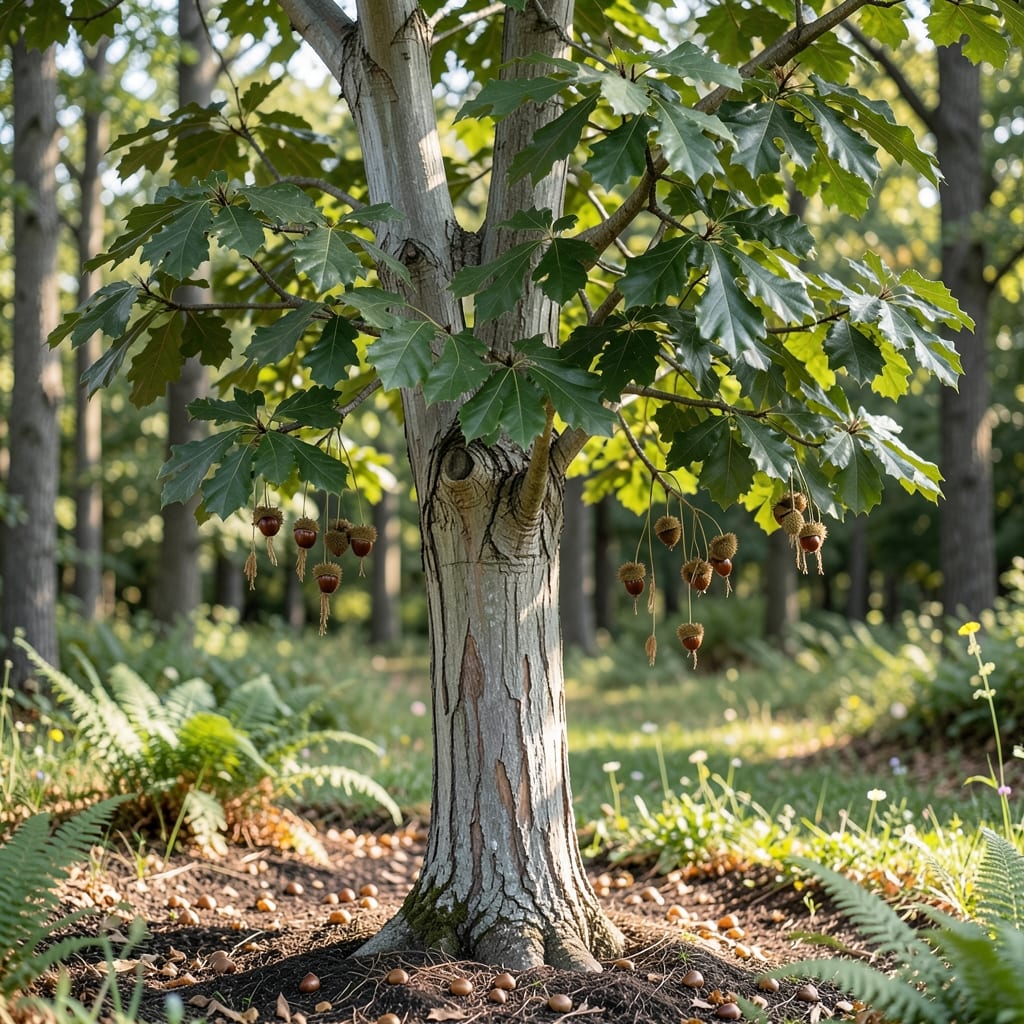
Wondering how tall do American chestnut trees grow? If you're dreaming of a towering 🌳 that dominates your landscape, you're in for a treat—these giants can reach heights of 60 to 100 feet at maturity, making them one of the most impressive native trees in North America.
But before you rush to plant one, there’s more to consider than just height. American chestnut trees aren’t just about their impressive stature—they’re also about their growth rate, lifespan, and the space they’ll need to thrive. Whether you’re restoring a forest or adding a statement piece to your property, understanding these factors is key to success.
Fast-growing in their early years, these trees can shoot up 6 to 10 feet in just two years, but their full potential takes decades. That means patience is part of the equation, along with the right soil, sunlight, and care to help them reach their towering potential.
Let’s break down everything you need to know—from the fastest-growing varieties to the mistakes that can stunt their growth—so you can decide if this majestic tree is the right fit for your space.


American chestnut tree height by mature variety: from small to towering giants
If you're considering planting an American chestnut tree, one of your first questions is likely: how tall do American chestnut trees grow? The answer varies by variety, with some reaching 60 to 100 feet at maturity—taller than a 3-story building. But not all chestnuts are created equal, and understanding the differences can help you choose the right tree for your space.
The native American chestnut (Castanea pectinata) typically grows between 60 and 80 feet, while blight-resistant hybrids like those developed by the American Chestnut Foundation can reach 80 to 100 feet. These hybrids are bred to resist the chestnut blight that nearly wiped out the species in the early 20th century, making them a popular choice for restoration projects.
For gardeners with limited space, there are no true dwarf varieties of American chestnut, but grafted trees or smaller rootstocks can be pruned to stay under 30 feet. However, even these will eventually outgrow most residential yards, so they're best suited for large properties or forest restoration.
Here’s a quick comparison of how different types of American chestnut trees stack up in height:
When comparing American chestnut trees to other species, they outshine many native trees in height but may not reach the 120+ feet of giants like the white oak or sugar maple. However, their rapid early growth and disease-resistant hybrids make them a standout choice for those prioritizing both height and longevity.
For urban or suburban gardeners, the Chinese chestnut (a close relative) is often a better fit due to its smaller size, but if you’re committed to restoring native ecosystems, the American chestnut is unmatched in stature and ecological value.
If you’re planting for nut production, taller trees yield more nuts, but they also require more space. A 60-foot tree needs at least 30 feet of clearance from structures, power lines, and other trees to avoid root and branch conflicts.
Whether you're aiming for a forest giant or a managed landscape tree, choosing the right variety—and giving it the space it needs—will determine how tall your American chestnut truly grows.
Growth rate factors: how fast American chestnuts reach mature heights
If you’re wondering how tall do American chestnut trees grow, the answer depends as much on their growth rate as their mature size. These trees are fast growers in their early years, often shooting up 6 to 12 feet annually when given ideal conditions. But their speed slows as they mature, with growth tapering off after 20 to 30 years. Understanding the factors that speed up or slow down this process will help you maximize their height potential.
One of the biggest influences on growth rate is soil quality. American chestnuts thrive in well-drained, slightly acidic soil with a pH between 4.5 and 6.5. Compacted or waterlogged soil can stunt root development, slowing height gains. Amending the soil with compost or organic matter before planting gives young trees the nutrients they need to grow quickly.
The climate zone also plays a critical role. These trees prefer USDA Zones 4 through 8, where they experience hot summers and cold winters. In warmer zones like Zone 8, they may grow 10% faster due to longer growing seasons, while colder zones like Zone 4 can slow growth by 15-20% during harsh winters.
Here are the top factors that accelerate or hinder growth, ranked by impact:
- ✅ Full sun exposure: 6+ hours daily boosts growth by 20-30% compared to partial shade.
- ✅ Consistent moisture: Deep watering 2-3 times per week in dry spells prevents stress-related stunting.
- ✅ Balanced fertilization: A 10-10-10 NPK fertilizer applied in early spring fuels rapid growth.
- ✅ Pruning young trees: Removing competing branches in the first 5 years directs energy upward.
- ❌ Over-pruning mature trees: Cutting back more than 25% of foliage reduces height gains by 40%.
- ❌ Poor drainage: Waterlogged roots cause root rot, slowing growth by 30-50%.
- ❌ Chestnut blight: Infected trees may grow 50% slower if cankers form on the trunk.
For the fastest growth, plant blight-resistant hybrids like the Dunstan or Monongahela varieties, which can grow 8 to 12 feet per year in ideal conditions. These hybrids not only resist disease but also allocate more energy to height growth compared to native varieties.
Seasonal timing matters too. Planting in late fall or early spring (before bud break) gives roots 6-8 weeks to establish before the first growing season, setting the stage for faster early growth. Avoid planting in summer heat, which stresses young trees and delays height gains.
If you’re planting for nut production, prioritize well-drained soil and full sun—these conditions not only maximize height but also boost nut yields. Just remember, a 100-foot tree won’t happen overnight. With patience and the right care, your American chestnut could become a century-old giant in your landscape.