How To
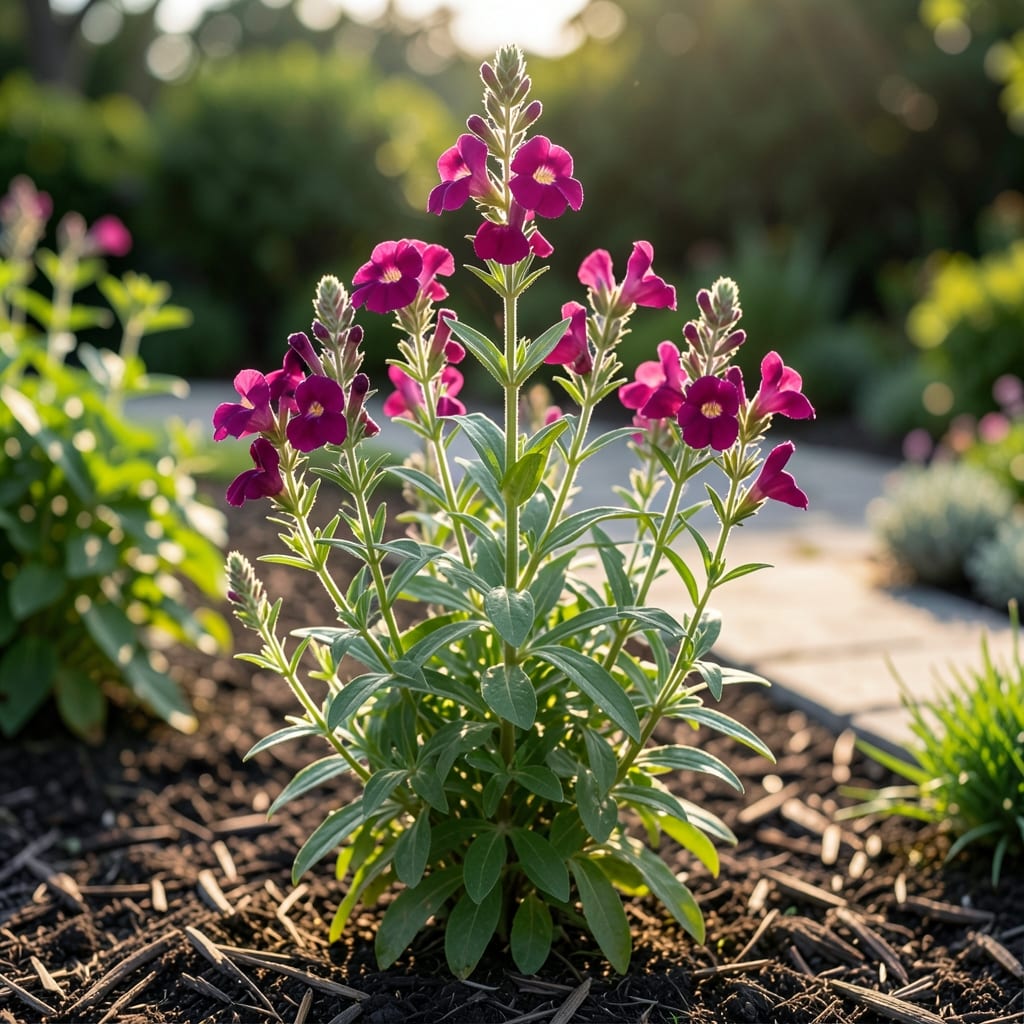
If you're wondering how tall do angelonia grow, the answer might surprise you—these cheerful summer blooms can range from compact 1-foot mounds to towering 3-foot spikes, depending on the variety and how you care for them.
Angelonia, often called summer snapdragons, thrives in USDA Zone 6a and beyond, making them a favorite for gardeners who love low-maintenance yet striking flowers. Whether you're planting in April-May or container gardening, understanding their growth habits is key to getting the most out of your 🌸 angelonia.
Some varieties stay neatly contained at just 8-12 inches, perfect for borders or window boxes, while others stretch toward 3 feet when given the right conditions. The secret to controlling their height? Pruning and deadheading at the right times—something I’ll show you how to do effortlessly.
Ready to transform your garden with angelonia? Let’s dive into the exact heights by variety, plus the simple tricks to keep them at your ideal size—whether you want them compact or climbing.


Angelonia height by variety: exact growth measurements for common cultivars
Angelonia plants come in a stunning array of heights, with some varieties staying low and bushy while others reach impressive vertical heights. The key to predicting their mature size lies in choosing the right cultivar for your garden space and growth goals. Whether you're planning a window box or a backyard border, knowing these exact measurements will help you place them perfectly.
For example, the 'Angelonia angustifolia' typically matures between 12-24 inches, making it ideal for container gardens or as a border plant. On the other hand, the 'Angelface' series can stretch up to 3 feet when given proper care, perfect for adding height to mixed flower beds. Let’s break down the most popular varieties and their exact growth expectations.
🌱 Quick Tip: Always check the seed packet or plant tag for specific variety details, as even slight differences in care can affect height.
| Variety | Mature Height | Growth Habit | Best For |
|---|---|---|---|
| 'Angelonia angustifolia' | 12–24" | Compact, bushy | Containers, window boxes |
| 'Angelface' Series | 24–36" | Upright, spiky | Backyard borders, mixed beds |
| 'Summer Snapdragon' | 18–24" | Semi-bushy, trailing | Hanging baskets, cascading displays |
| 'Angelonia 'Blue Butterfly' | 12–18" | Dwarf, mounding | Front of borders, rock gardens |
| 'Angelonia 'Pink Profusion' | 20–30" | Upright, dense | Cut flower arrangements, tall beds |
The 'Angelonia angustifolia' and 'Blue Butterfly' varieties are perfect if you're working with limited vertical space, like balcony gardens or small pots. Their 12-18 inch height keeps them manageable and allows you to mix them with other short-lived flowers like petunias or lobelia. Meanwhile, the 'Angelface' series will add drama to your garden with its 24-36 inch spikes, especially when planted in groups for a vertical accent.
If you're growing angelonia in containers, remember that their height can be influenced by the size of the pot. A 5-gallon container will encourage full growth, while a small hanging basket may keep them more compact. Always choose a container with drainage holes to prevent root rot, which can stunt growth.
For gardeners in USDA Zone 6a or warmer, angelonia thrives when planted in well-draining soil with full sun exposure. Without enough sunlight, even the tallest varieties may stay shorter than expected. I’ve found that adding a 1-inch layer of compost at planting time gives them a nutrient boost to reach their full potential height.
One of my favorite tricks for encouraging taller growth is to stake the 'Angelface' varieties early in the season. Simply insert a 3-foot bamboo stake next to the plant and gently tie the stems to it as they grow. This not only supports their height but also keeps them upright and flower-heavy.
For those who prefer a neater, more controlled look, the 'Summer Snapdragon' variety is a great choice. Its 18-24 inch height and trailing habit make it ideal for hanging baskets, where it can spill over the edges beautifully. Pair it with trailing lobelia or calibrachoa for a stunning cascading display.
Always remember that pruning plays a huge role in controlling height. Regular deadheading and pinching back leggy stems can encourage bushier growth, even in taller varieties. I’ll cover these techniques in detail in the next section, but for now, just know that a little maintenance goes a long way in shaping your angelonia to your desired height.
How to control angelonia height through pruning: step-by-step techniques
Pruning is the secret weapon for controlling angelonia height—whether you want compact bushes or taller spikes. The right techniques encourage bushier growth while preventing leggy stems. Start by understanding that angelonia responds best to light pruning throughout the growing season, especially during spring and summer when they’re most active.
For shorter, bushier plants, focus on pinching back the tips of new growth when stems reach 4-6 inches. This simple step triggers the plant to branch out, creating a fuller, more compact shape. I recommend doing this every 2-3 weeks during the growing season to maintain the desired height and encourage continuous blooming.
🌱 Pro Tip: Use clean, sharp pruning shears or even your fingers to pinch stems just above a leaf node. This small action can make a big difference in how dense your angelonia grows.
Step-by-Step Pruning Guide for Angelonia
- 1. Pinch young stems at 4-6 inches to encourage branching.
- 2. Deadhead spent blooms regularly to redirect energy to new flowers.
- 3. Prune leggy stems back by 1/3 in early summer for bushier growth.
- 4. Stake tall varieties like 'Angelface' to support vertical growth.
- 5. Avoid heavy pruning in fall—let plants rest for next season.
If you’re growing taller varieties like the 'Angelface' series, pruning takes on a slightly different role. Instead of pinching, focus on removing only the dead or overcrowded stems to maintain airflow and prevent disease. For these varieties, I often use bamboo stakes to support their height while keeping them upright and flower-heavy.
Deadheading is another critical step for controlling height and encouraging more blooms. Simply snip off faded flowers at the base of the stem. This not only keeps your angelonia looking neat but also prevents the plant from wasting energy on seed production, redirecting it instead to new flower growth. I do this every week or two during peak blooming season.
For container-grown angelonia, pruning becomes even more important because limited root space can lead to overcrowding and leggy growth. In this case, I recommend a light trim every 3-4 weeks to maintain shape and encourage fuller foliage. Remember, angelonia in containers needs regular pruning to thrive, as they have less room to spread out naturally.
One common mistake I see is pruning too late in the season. Avoid heavy pruning after mid-summer, as this can stunt new growth before winter. Instead, focus on light maintenance in fall to clean up the plant and prepare it for dormancy. This ensures a strong start in the next growing season.
With these pruning techniques, you’ll have angelonia plants that stay at your ideal height—whether you prefer a compact border plant or a tall, dramatic accent. The key is consistency and timing, so don’t be afraid to get your hands dirty and shape your plants as they grow!