How To
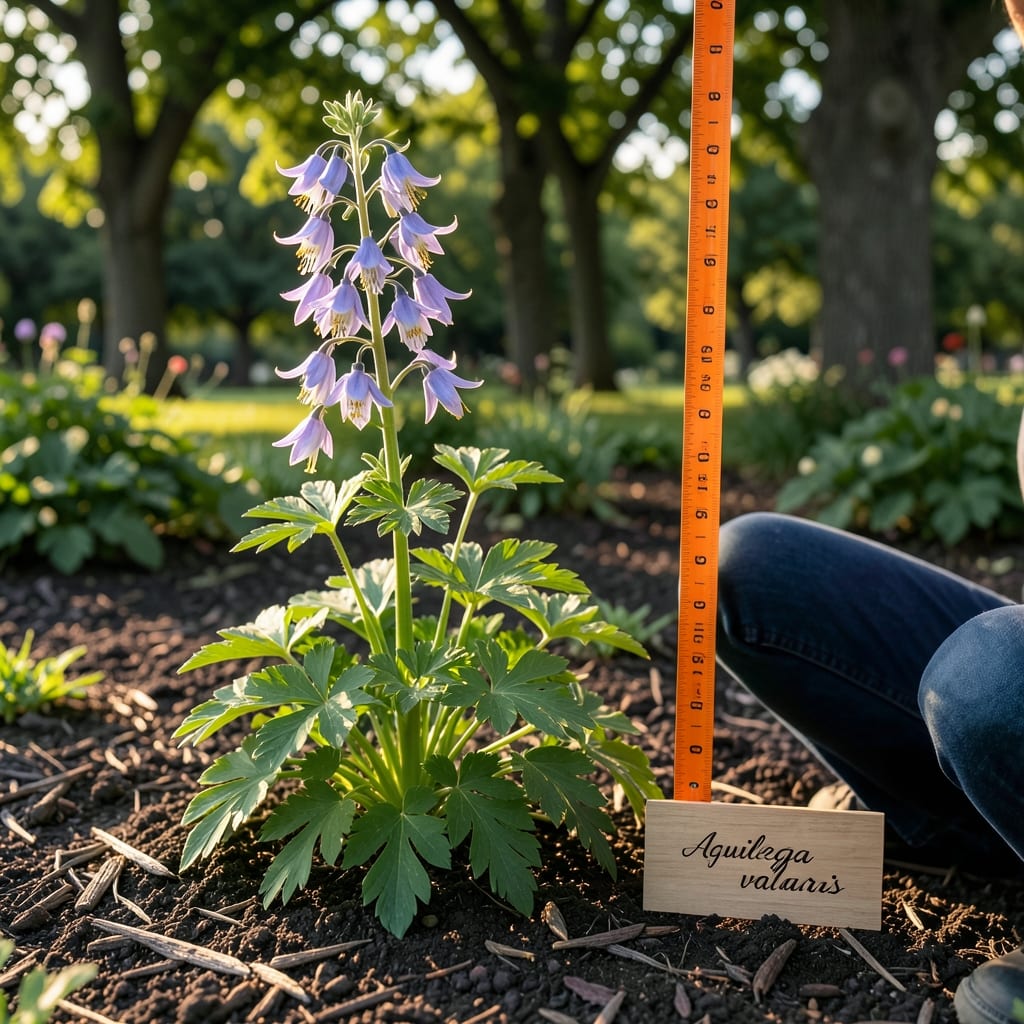
If you're wondering how tall do aquilegia grow, the answer might surprise you—these delicate 🌸 columbines can range from dainty 1-foot charmers to towering 5-foot showstoppers, depending on the variety and growing conditions. Whether you're designing a cozy cottage garden or a bold wildflower meadow, knowing their mature height helps you plan the perfect spot for these charming blooms.
Columbine thrives in USDA Zone 6a and beyond, making it a versatile choice for gardeners across many regions. Plant them in early spring or fall, and by mid-spring, you'll see their unique, nodding flowers reaching their full potential. The key to maximizing their height lies in soil quality, sunlight exposure, and even pruning techniques—so let's explore how to give your columbine the best chance to flourish.
Some varieties, like 🌸 Aquilegia canadensis, stay on the shorter side at 2-3 feet, while others, such as Aquilegia formosa, can stretch up to 4 feet. Understanding these differences helps you choose the perfect type for your space, whether you're working with limited room or aiming for a dramatic vertical display. Ready to discover how to nurture your columbine to its full height?
In this guide, we'll break down the height variations by species, share tips for controlling growth, and even suggest the best companion plants to pair with your columbine. By the end, you'll know exactly how to create a stunning, well-balanced garden that makes the most of these beautiful, versatile flowers.

Aquilegia height chart by variety: compact to towering types
Understanding how tall do aquilegia grow starts with recognizing the incredible diversity within this genus. Columbine varieties can vary dramatically in height, from 12-inch dwarf types to 5-foot giants, making them incredibly versatile for different garden spaces. The height you achieve depends not only on the specific variety but also on growing conditions like sunlight exposure, soil quality, and even regional climate variations.
For gardeners in USDA Zone 6a and warmer, most columbines thrive when planted in partial shade with well-draining soil. This combination typically encourages healthier stems and fuller blooms, which directly impacts their mature height. Let’s explore the most popular varieties and their typical growth ranges to help you select the perfect columbine for your garden design.
Here’s a quick reference for how tall different aquilegia varieties grow at maturity, along with their ideal growing conditions:
| Variety | Mature Height | Growth Habit | Sunlight Needs | Best For |
|---|---|---|---|---|
| Aquilegia canadensis (Canadian Columbine) | 2–3 ft | Upright, clumping | Partial shade to full sun | Wildflower gardens, borders |
| Aquilegia vulgaris (European Columbine) | 1–2 ft | Compact, bushy | Partial shade | Containers, rock gardens |
| Aquilegia formosa (Western Columbine) | 3–4 ft | Tall, spreading | Partial shade | Woodland gardens, tall borders |
| Aquilegia flabellata (Sierra Columbine) | 12–18 in | Dwarf, trailing | Partial shade | Rock gardens, alpine beds |
| Aquilegia chrysantha (Golden Columbine) | 3–5 ft | Tall, robust | Full sun to partial shade | Wildflower meadows, cottage gardens |
| Aquilegia caerulea (Rocky Mountain Columbine) | 2–3 ft | Upright, clumping | Partial shade | Alpine gardens, slopes |
As you can see, Aquilegia chrysantha stands out as one of the tallest varieties, making it ideal for creating vertical interest in larger garden spaces. Meanwhile, dwarf varieties like Aquilegia flabellata are perfect for small gardens, containers, or even rock gardens where space is limited. The key to achieving these heights lies in providing the right growing conditions—especially well-draining soil and consistent moisture without waterlogging.
Regional variations also play a role in height. Columbines grown in cooler climates like Zone 6a may reach their full potential more easily, while those in hotter, drier regions might stay slightly shorter unless given extra care. For example, Aquilegia formosa can grow up to 4 feet in ideal conditions but may only reach 2–3 feet in hotter, drier summers without supplemental watering.
If you’re planning to mix different varieties in your garden, consider their mature heights to create a layered look. Pairing tall varieties like Aquilegia chrysantha with medium-height types such as Aquilegia canadensis and dwarf varieties like Aquilegia flabellata adds depth and visual interest. This approach not only maximizes your garden’s potential but also ensures that each plant has enough space to thrive without competing for sunlight or nutrients.
One common misconception is that all columbines are short, delicate plants. While many varieties are indeed petite, the taller types can add dramatic flair to your garden when planted in groups or along borders. For instance, Aquilegia chrysantha with its 3–5 foot height can serve as a stunning backdrop for smaller perennials or annuals, creating a layered, textured display that blooms from mid-spring to early summer.
To ensure your columbines reach their full height potential, focus on planting in well-draining soil and avoiding over-fertilization, which can lead to leggy, weak stems. Instead, use a balanced fertilizer like 10-10-10 sparingly—just once in early spring—to encourage strong root development without excessive top growth. With the right care, you’ll be rewarded with columbines that not only reach their ideal height but also produce abundant, vibrant blooms year after year.
🌸
Aquilegia height chart by variety: compact to towering types
When planning your garden, knowing how tall do aquilegia grow helps you choose the perfect spot for these stunning flowers. Columbine varieties can range from 12-inch dwarfs to 5-foot giants, each offering unique charm. The height of your aquilegia depends on the specific variety, growing conditions, and even your pruning habits.
For example, 🌸 Aquilegia flabellata stays low at just 12–18 inches, making it ideal for rock gardens or borders. Meanwhile, Aquilegia chrysantha can soar to 3–5 feet, perfect for adding vertical drama to shady corners. Understanding these differences ensures you select the right type for your space and design goals.
| Variety | Height Range | Best For |
|---|---|---|
| Aquilegia flabellata | 12–18 inches | Rock gardens, borders |
| Aquilegia canadensis | 2–3 feet | Woodland gardens, partial shade |
| Aquilegia vulgaris | 1–2 feet | Cottage gardens, containers |
| Aquilegia formosa | 3–4 feet | Back of borders, tall beds |
| Aquilegia chrysantha | 3–5 feet | Wildflower meadows, tall gardens |
Regional differences also play a role in how tall do aquilegia grow. In cooler climates like USDA Zone 6a, columbines often reach their maximum height due to longer growing seasons. However, in warmer zones, some varieties may stay shorter unless provided with afternoon shade to prevent stress.
To encourage taller growth, plant your columbine in well-draining soil with partial shade (4–6 hours of sunlight). Avoid over-fertilizing, as too much nitrogen can lead to leggy, weak stems. Instead, focus on a balanced 10-10-10 fertilizer applied lightly in spring and fall.
If you're growing taller varieties like Aquilegia formosa, consider adding support stakes early in the season to prevent flopping. This not only helps with height but also keeps your garden looking neat and intentional. With the right care, your columbine can thrive and reach its full potential height, adding beauty and vertical interest to your outdoor space.