Size
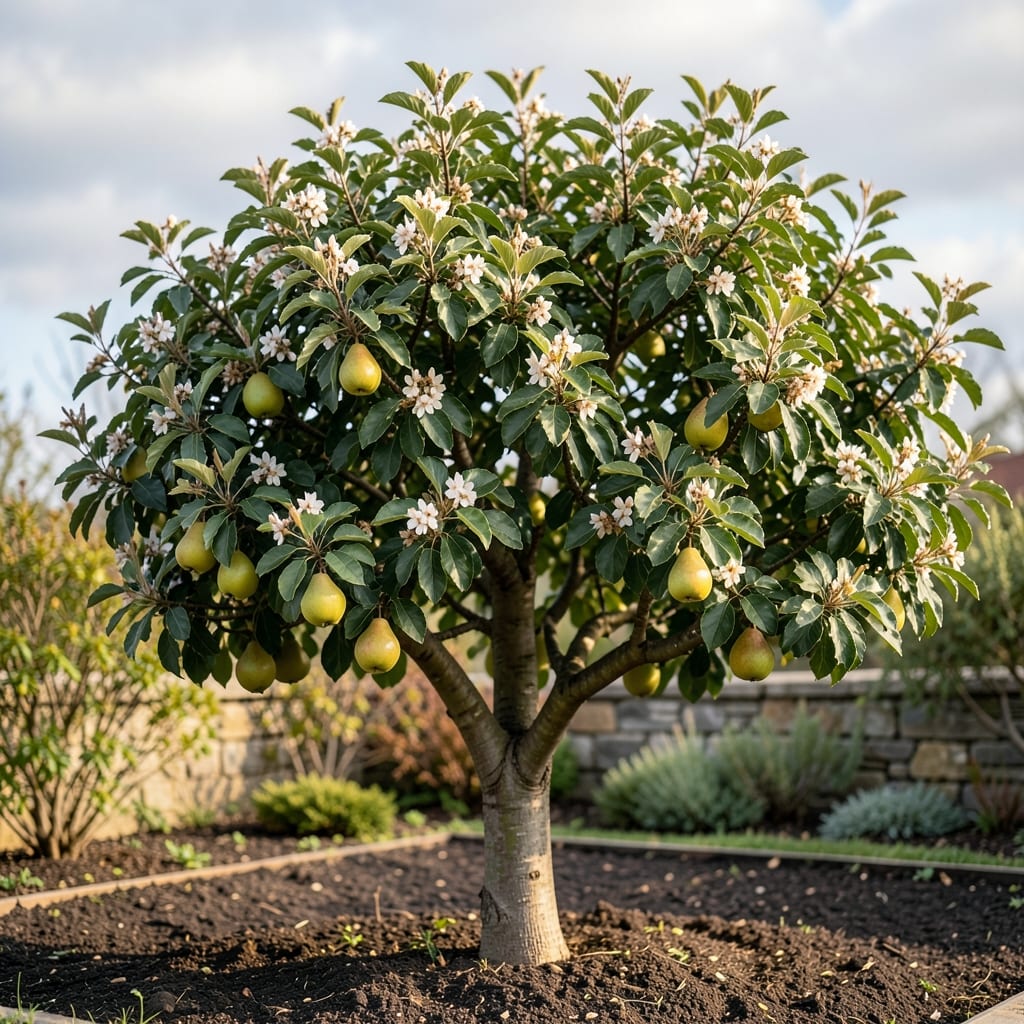
If you're dreaming of a backyard bursting with sweet, juicy 🍐 fruit, knowing how tall Asian pear trees grow is the first step to making that vision a reality. These trees aren't one-size-fits-all—some stay compact enough for small gardens while others reach towering heights that need serious space planning.
The mature height of an Asian pear tree varies dramatically depending on the variety you choose, with some dwarf types staying under 12 feet while standard varieties can soar to 40 feet or more. That's the difference between a charming patio feature and a backyard centerpiece that needs careful pruning to keep it manageable.
For home gardeners in zones like 6a, knowing these height ranges is the key to selecting the perfect tree for your space. Whether you're working with limited square footage or have plenty of room to spare, understanding growth habits helps you avoid costly mistakes down the road.
Let's break down exactly what to expect from popular varieties and how to choose the right size for your garden—because the last thing you want is a tree that outgrows its welcome after just a few years.

Asian pear tree height ranges by popular variety (with mature dimensions)
Asian pear trees (Pyrus pyrifolia) are stunning additions to any garden, but their mature heights can vary wildly depending on the variety. Some stay compact enough for small yards, while others grow tall enough to rival oak trees. Knowing these differences helps you choose the perfect tree for your space and avoid future pruning regrets.
Most standard Asian pear trees reach heights between 20–40 feet at maturity, but dwarf and semi-dwarf varieties can stay as short as 8–18 feet. Below, I’ve broken down the most popular varieties, including their mature heights, spread, and growth habits, so you can make an informed decision before planting.
If you’re working with limited space, dwarf varieties like Chojuro are ideal—they stay under 18 feet and thrive in containers or small yards. For larger properties, standard varieties like Niitaka or Kosui can reach 30+ feet, making them perfect for orchard settings or as shade trees.
Always check the rootstock when purchasing. Dwarf varieties are often grafted onto dwarfing rootstocks, which significantly limit their height. Meanwhile, standard trees grow on their own roots or semi-dwarf rootstocks, reaching their full potential.
Pro tip: Measure your space before planting. A 20-foot tree needs at least 15 feet of clearance from structures, power lines, and other trees to avoid future issues. Always plant at least 10–15 feet away from your home or fence for optimal airflow and sunlight.
For those with urban gardens or balconies, consider espalier training. This technique allows you to grow standard-sized trees against walls or fences, keeping their height manageable while maximizing fruit production in small spaces.
Remember, height isn’t the only factor. The spread of the tree also matters—some varieties like Niitaka can spread 20+ feet, while others like Chojuro stay more compact. Always factor in both height and spread when planning your garden layout.
🌳
How to choose the right Asian pear tree size for your space
Choosing the right Asian pear tree size for your garden isn’t just about height—it’s about balancing your space, long-term maintenance, and fruit production goals. A 20-foot tree might look perfect now, but in 10 years, it could overshadow your patio or block sunlight for other plants. Let’s break down how to pick the perfect fit for your yard, whether you’re working with a cozy urban balcony or a sprawling rural plot.
Start by measuring your available space. A dwarf variety like Chojuro (12–18 feet) fits snugly in a 10x10-foot area, while a standard Niitaka (25–35 feet) needs at least 20x20 feet of clearance. Always account for the tree’s spread, too—some varieties like Kosui can stretch 20+ feet wide, crowding out nearby plants or structures.
Dwarf vs. Standard Asian Pear Trees: Quick Comparison
Dwarf Varieties
- Pros: Fits small yards, containers, urban spaces
- Pros: Easier to prune and maintain
- Pros: Faster fruit production (3–5 years)
- Cons: Limited root system = less drought tolerance
- Cons: May need staking in windy areas
Standard Varieties
- Pros: Longer lifespan (30+ years)
- Pros: More shade and wildlife benefits
- Pros: Higher fruit yield over time
- Cons: Requires more space and pruning
- Cons: Slower to bear fruit (5–7 years)
For urban gardeners or balcony growers, dwarf varieties are a game-changer. The Chojuro or Hosui varieties thrive in large containers (20+ gallons) with proper drainage. Just ensure the pot has wheels or is easy to move—Asian pear trees can get heavy as they mature. If you’re planting in the ground, dig a hole twice as wide as the root ball to encourage root spread and stability.
If you’re torn between a dwarf and semi-dwarf, consider your long-term goals. Semi-dwarf varieties like Kinchaku (18–22 feet) strike a balance—they’re taller than dwarfs but still manageable for medium-sized yards. They also produce larger fruit and have stronger root systems than true dwarfs, making them ideal for gardeners who want a compromise between size and maintenance.
One common mistake? Ignoring the rootstock. A tree labeled as "dwarf" might still reach 15+ feet if grafted onto a semi-dwarf rootstock. Always ask your nursery about the rootstock type—dwarfing rootstocks (like Pyrus calleryana) keep trees under 12 feet, while semi-dwarf rootstocks (like Pyrus communis) allow 15–20 feet of growth.
🌿
Pro tip: Sketch your garden layout before planting. Use a graph paper or digital tool to map out where the tree will fit, including its mature height and spread. Add 10–15 feet of buffer space around the tree for airflow, which reduces disease risk. And if you’re planting near a fence or wall, choose a spreading variety like Shinseiki to create a natural privacy screen without sacrificing sunlight for other plants.
Finally, think about future pruning needs. Taller trees require regular pruning to maintain shape and safety, while dwarfs need less frequent upkeep. If you’re not comfortable with ladders or heavy branches, a dwarf or semi-dwarf might be the smarter choice—especially if you have kids or pets roaming the yard.
🪴