
How To
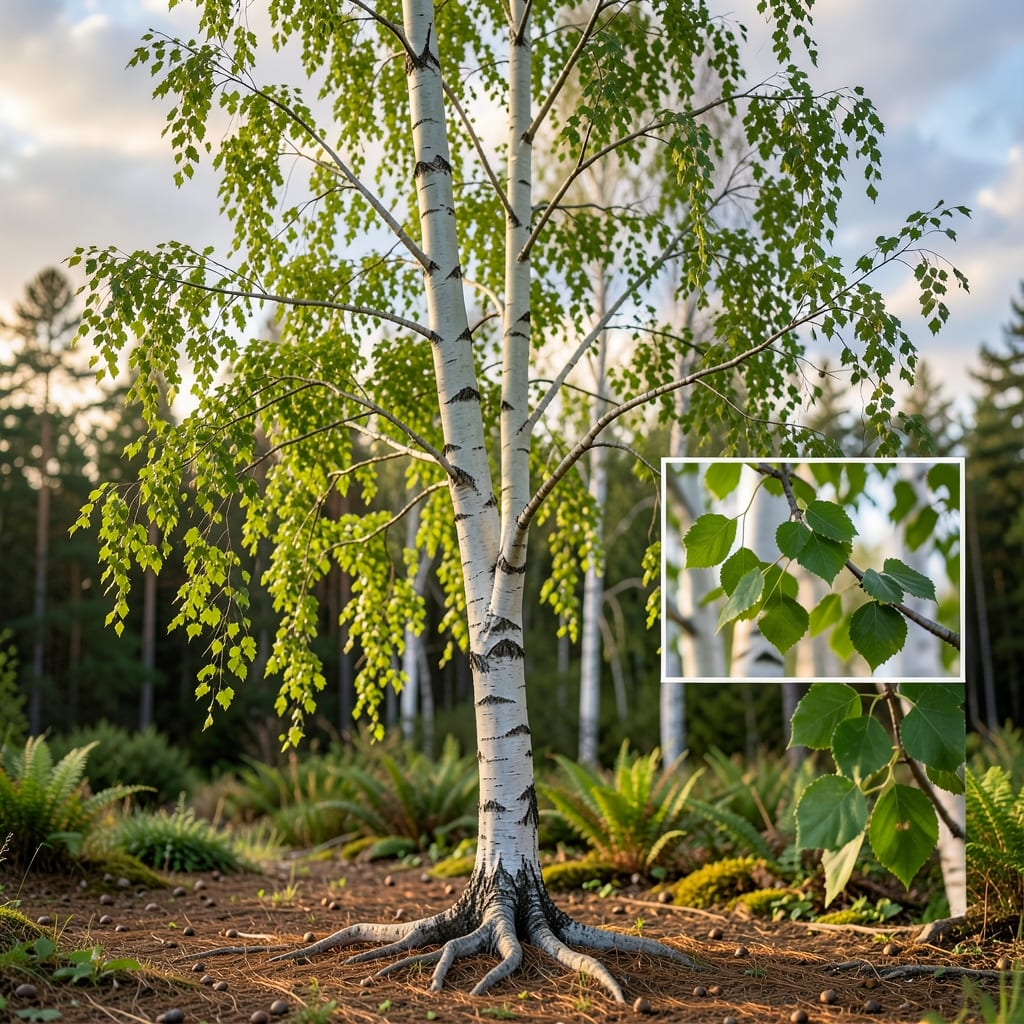
If you’ve ever dreamed of planting a tree that grows how tall do aspens grow like a champ—reaching towering heights in just a few decades—then these golden-leaved giants might be your perfect match. These fast-growing trees can shoot up to 80 feet or more, making them one of the quickest climbers in the forest. But before you grab your shovel, there’s more to their height than just raw speed.
What you’ll discover here is how climate, soil, and sunlight play a starring role in determining whether your aspen becomes a modest 40-foot beauty or a full-blown skyscraper of the forest. Whether you’re landscaping a backyard or restoring a wild space, understanding these factors will help you set realistic expectations—and plan for the future.
From the sun-drenched plains of Zone 6a to the cooler edges of their range, aspens thrive where others falter. But here’s the kicker: their growth isn’t just about time—it’s about giving them the right conditions. We’ll break down how spacing, pruning, and even neighboring plants can either supercharge or stunt their ascent.
Ready to turn your yard into a sunlit aspen haven? Let’s dive into the secrets behind their staggering growth—and how you can nurture your own towering 🌳 masterpiece.


Average aspen tree height: growth ranges by variety and region
When it comes to how tall do aspens grow, the answer isn’t one-size-fits-all. Quaking aspens (Populus tremuloides), the most common variety in North America, typically reach 40–80 feet at maturity, with some exceptional specimens stretching over 100 feet in ideal conditions. Their height potential makes them a standout for both wild landscapes and large properties.
Bigtooth aspens (Populus grandidentata) tend to be slightly shorter, usually maxing out around 50–70 feet, while hybrid varieties like the Eugene aspen can push even higher—up to 90 feet—thanks to their vigorous growth habits. These differences matter if you’re planning spacing or pruning strategies.
Regional climate plays a huge role. In the eastern U.S. and Canada, aspens often hit their full height potential due to cooler summers and rich soils. Meanwhile, in the western U.S., drier conditions can limit growth, keeping trees in the 40–60-foot range unless irrigated. European aspens (Populus tremula) follow similar patterns, thriving in temperate zones.
Here’s a quick breakdown of what to expect based on where you live and which variety you choose:
If you’re planting in an urban setting, expect slightly shorter growth due to limited space and air pollution. However, with proper care—like deep watering and regular pruning—you can still encourage healthy height development. Just remember: aspens need room to stretch their roots and branches!
For landscapers, this means spacing saplings at least 20–30 feet apart to avoid root competition. In wild settings, aspens often form clones through underground roots, creating groves where individual trees may not reach their full height potential due to shared resources.
One surprising fact: aspens in high-elevation forests (like the Rockies) can grow taller than their lowland cousins because cooler temperatures slow early growth, allowing them to invest more energy in height over time. This is why some Colorado aspens top out at 90 feet while those in Florida might only reach 50 feet.
Ready to pick the perfect aspen for your space? The key is matching your climate zone and soil type to the variety’s needs. In the next section, we’ll dive into how fast they grow—and how you can supercharge their ascent with the right care.
How fast do aspens grow? Key factors affecting height potential
If you’re dreaming of a towering aspen in your landscape, you’ll love their rapid growth rates. Young aspens can shoot up 1–3 feet per year, with hybrid varieties like the Eugene aspen reaching 2–4 feet annually under ideal conditions. This means a sapling could hit 40 feet in just 10–15 years, making them one of the fastest-growing hardwoods around.
But here’s the catch: their speed depends on three critical factors—soil quality, sunlight exposure, and water availability. Skip even one, and you’ll see growth slow to a crawl. For example, an aspen in full sun with well-draining soil will outpace one struggling in shade or clay by 50% or more.
Let’s break down the top 5 growth accelerators for aspens, so you can help yours reach its full height potential:
- 🌞 Full Sun (6+ hours daily): Aspens thrive in bright, open spaces. Even partial shade can cut growth by 30%. South-facing yards are ideal.
- 💧 Deep Watering (1–2x weekly): Young trees need consistent moisture to fuel rapid growth. Drought stress stunts height gains by up to 50%.
- 🌱 Well-Draining Soil: Avoid waterlogged areas—aspens hate soggy roots. Amend clay soil with compost or sand for better aeration.
- 📏 Spacing (20–30 ft apart): Crowded roots slow growth. Give each tree room to spread its canopy without competing for nutrients.
- ✂️ Minimal Pruning (Early Years): Only remove dead or crossing branches. Over-pruning in youth can delay height growth by 2–3 years.
Now, let’s talk urban vs. wild growth. In the wild, aspens often form clones through underground roots, sharing nutrients and limiting individual height. But in a landscaped setting, solo aspens can grow 20–30% taller because they’re not competing with neighbors. That’s why hybrid varieties like the Eugene aspen shine in gardens—they’re bred to ignore competition and focus on vertical growth.
Pruning plays a double-edged role in height development. While you should avoid heavy pruning in the first 5 years, strategic crown thinning every 3–5 years can encourage taller, straighter trunks by improving airflow and sunlight penetration. Just avoid cutting back more than 25% of the canopy at once—this can shock the tree and halt height gains for a season.
If you’re planting in an arid climate, like the Southwest U.S., growth rates will slow unless you irrigate deeply. Even then, aspens in Zone 7b+ may only reach 50–60 feet compared to 80+ feet in cooler, wetter zones like the Pacific Northwest. The key is to mimic their natural habitat: moist, well-drained soils with full sun exposure.
Ready to give your aspen the best shot at sky-high growth? Start with rich soil, plenty of sunlight, and consistent watering. In the next section, we’ll explore how lifespan and height are connected—and when you can expect your aspen to reach its full majestic stature.