
Flowers
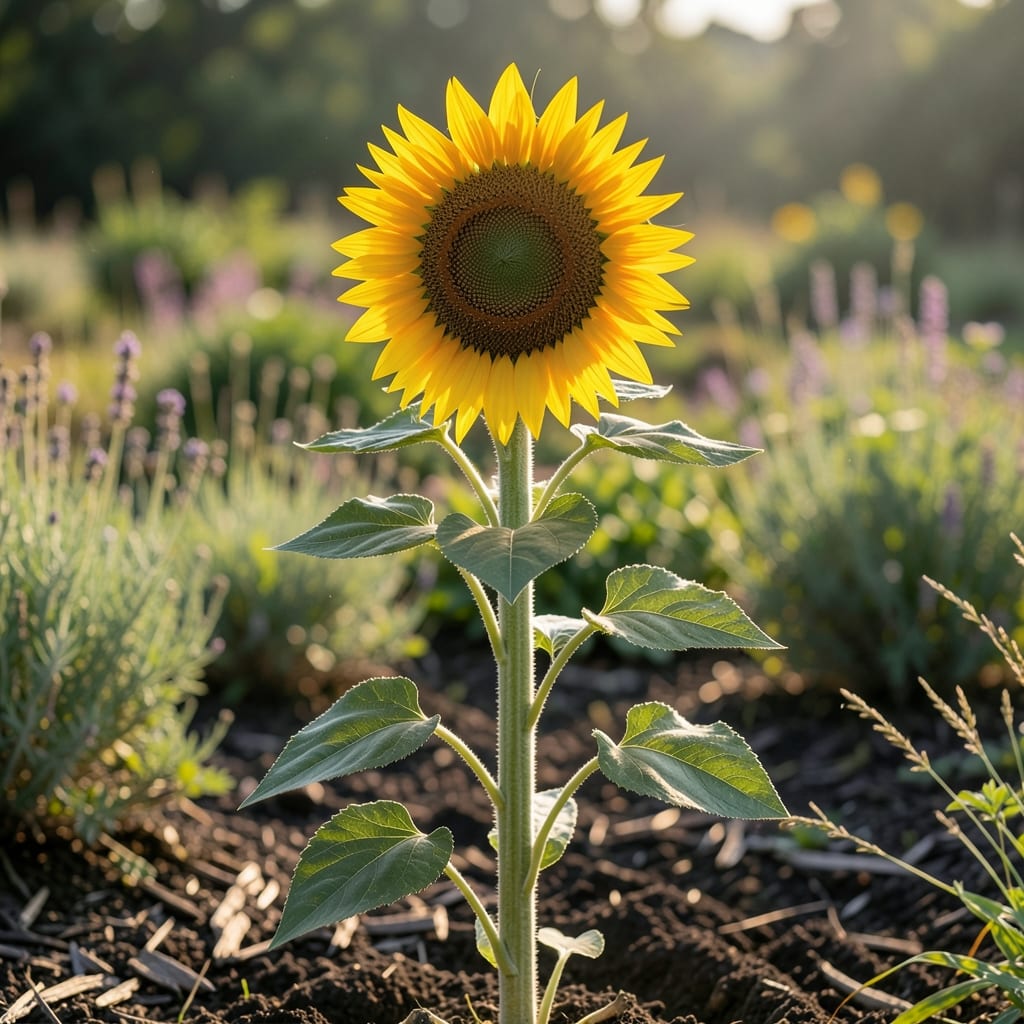
If you’ve ever wondered how tall can sunflowers grow up to, you’re in for a surprise—these cheerful giants can reach heights that rival small buildings! 🌻 With the right variety, your backyard could soon host sunflowers towering over 12 feet or even 16 feet, depending on the type you choose.
But not all sunflowers are created equal. Some stay compact, perfect for small gardens, while others stretch skyward like natural skyscrapers. The secret lies in the variety—whether you’re growing a dwarf type (1-3 feet) or a giant like 'Mammoth' (10+ feet), each has its own growth potential.
In this guide, I’ll break down the height ranges of popular sunflowers and share tips to help yours thrive—whether you want a sunflower that’s easier to manage or one that turns heads with its towering presence.
Ready to find the perfect fit for your space? Let’s dive into the world of sunflower heights and discover which variety will work best for you.


Sunflower height records: the tallest varieties and their growth limits
Sunflowers are nature’s skyscrapers, with some varieties reaching heights that will make your neighbors take notice. The tallest sunflower varieties can grow up to 16 feet or more, while dwarf varieties stay manageable at just 1-3 feet. The difference? It all comes down to genetics, growing conditions, and proper care.
The world’s tallest recorded sunflower was a Russian Giant variety that soared to 16.5 feet in 2022, breaking previous height records. But don’t worry—even if you don’t have a sunflower giant in your garden, you can still grow impressive varieties like 'Mammoth' or 'Autumn Beauty', which regularly hit 10-12 feet.
Here’s the key: sunflower height is influenced by three main factors—genetics, soil quality, and sunlight exposure. A giant sunflower planted in poor soil or shade won’t reach its full potential, while a dwarf variety in rich soil might surprise you with extra height.
For example, the 'Teddy Bear' variety stays short (3-4 feet) and fluffy, perfect for containers, while the 'Russian Giant' can double that height with the right care. Understanding these differences helps you choose the perfect sunflower for your space.
| Variety | Height Range | Growth Notes |
|---|---|---|
| Russian Giant | 12–16 ft | Needs staking; thrives in full sun |
| Mammoth | 10–14 ft | Classic giant; great for cut flowers |
| Autumn Beauty | 8–12 ft | Multi-colored blooms; sturdy stalks |
| Teddy Bear | 3–4 ft | Compact; ideal for small gardens |
| Sunspot | 1–2 ft | Dwarf; perfect for containers |
🌻 Height varies by variety and growing conditions
If you’re dreaming of a sunflower taller than a basketball hoop, focus on Russian Giant or Mammoth varieties. But if space is limited, dwarf sunflowers like 'Teddy Bear' or 'Sunspot' are just as rewarding—with the bonus of being easier to care for.
Pro tip: Sunflowers grow fastest in their first 60 days. To maximize height, ensure they get 6-8 hours of sunlight daily and well-draining soil. Without these, even the tallest varieties will struggle to reach their full potential.
For giant sunflowers, consider adding support stakes early—especially in windy areas. A 12-foot sunflower without support can flop over, wasting all your hard work. Think of it like training a young sapling to grow straight and strong.
One common misconception is that all sunflowers need the same care. In reality, dwarf varieties thrive in containers with minimal space, while tall varieties need room to stretch and strong stems to support their weight. Plan your garden layout accordingly!
Whether you’re aiming for a sunflower skyscraper or a compact centerpiece, knowing your variety’s height range is the first step. Next, we’ll dive into care tips to help your sunflowers reach their full potential—no matter how tall you want them to grow. 🌱
How to maximize sunflower height: soil, water, and care tips for towering stalks
Want your sunflowers to reach their maximum height potential? It all starts with the foundation—your soil. Sunflowers thrive in loose, well-draining soil rich in organic matter. Before planting, mix in compost or aged manure to give roots the nutrients they need to support towering growth. Heavy clay soil can stunt growth, so amend it with sand or peat moss if necessary.
Once planted, consistent watering is key. Sunflowers need 1-2 gallons of water per week, especially during their first 60 days of growth. Water deeply at the base to encourage strong root development—shallow watering leads to weak stems that can’t support height. Avoid wetting the leaves to prevent fungal diseases like powdery mildew.
⚠️ Common Mistake Alert
Overwatering or inconsistent moisture can cause sunflower stalks to split or weaken. Giant varieties like 'Russian Giant' need even moisture to reach 12+ feet, but soggy soil leads to rot. Let the top inch of soil dry between waterings to strike the right balance.
Sunlight is non-negotiable for height—6-8 hours of direct sun daily is ideal. Place your sunflowers in the sunniest spot in your garden, as shade slows growth dramatically. If you’re growing dwarf varieties in containers, rotate them weekly to ensure even light exposure on all sides.
For tall sunflowers (10+ feet), add support stakes early—before they reach 3 feet tall. Use bamboo stakes or metal cages tied loosely to the stalk with soft plant ties. This prevents flopping in windy conditions and helps maintain straight growth. Prune side shoots to direct energy upward.
Fertilizing plays a smaller role than you might think—sunflowers are light feeders. Apply a balanced 10-10-10 fertilizer at planting and again when flowers bloom, but avoid heavy nitrogen, which promotes leafy growth over height. Organic options like fish emulsion work well for gentle nutrient boosts.
Finally, watch for pests like aphids or beetles, which can sap energy from your sunflowers. Spray with neem oil or introduce ladybugs to keep populations in check. Healthy plants grow taller, so proactive care pays off in impressive height gains.
With these tips, your giant sunflowers could easily surpass 12 feet, while even dwarf varieties will grow straighter and fuller. The secret? Consistent care from day one—your sunflowers will reward you with sky-high blooms! 🌱