
How To
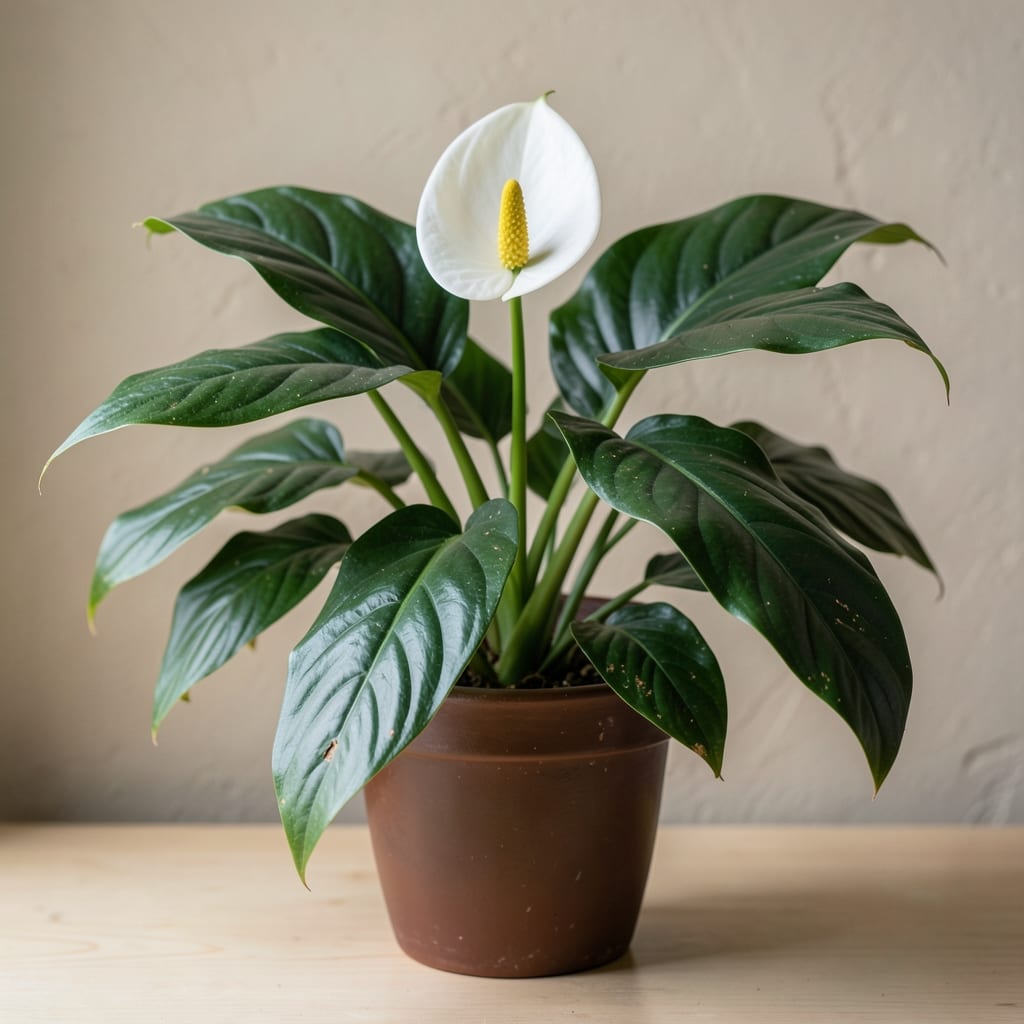
If you’ve ever wondered just how tall your Peace Lily 🌿 can grow, the answer might surprise you—especially if you’re envisioning a towering jungle plant. In reality, these elegant houseplants typically reach between 2 to 4 feet indoors, but with the right care (or lack thereof), they can stretch even taller. The key lies in understanding their growth habits and how your environment influences their vertical journey.
For most varieties like the classic Spathiphyllum wallisii, 3 feet is a common mature height, but some dwarf types like the 'Petit' stay compact at just 1 to 2 feet. What’s fascinating is how factors like light exposure, pot size, and even humidity can push them toward their upper limits—or keep them neatly contained. Whether you’re dealing with a leggy stem or a perfectly proportioned plant, knowing these triggers helps you steer their growth in the direction you want.
But here’s the catch: while a 4-foot Peace Lily might sound impressive, overly tall stems can signal stress rather than health. Too little light or a cramped pot often leads to that "reaching for the sky" look, which weakens the plant over time. The good news? With simple adjustments—like pruning, repotting, or tweaking your care routine—you can keep your Peace Lily at your ideal height while ensuring it stays lush and vibrant.
Ready to unlock the secrets behind your Peace Lily’s growth? I’ll walk you through the science of height control, from variety-specific expectations to the best pruning techniques, so you can enjoy a plant that’s both beautiful and well-behaved. Let’s get started!


Peace Lily height limits: indoor growth expectations by variety
Peace Lilies (Spathiphyllum spp.) are masters of adaptability, but their height depends heavily on the variety you’ve chosen. The classic Spathiphyllum wallisii, for example, typically matures between 2 to 4 feet indoors, making it a statement plant without dominating small spaces. Meanwhile, the ‘Domino’ variety stays shorter at 1.5 to 2.5 feet, perfect for shelves or desks. Even within the same species, growth habits can vary based on care conditions.
What’s fascinating is how light exposure directly impacts height. In low-light conditions, Peace Lilies stretch toward light sources, often exceeding their expected height by 1 to 2 feet. Conversely, bright but indirect light encourages a stockier, bushier growth habit, keeping them closer to their ideal size. This is why many growers place their plants near east-facing windows, where they receive gentle morning sunlight without the risk of leaf scorch.
Pot size also plays a crucial role. A root-bound Peace Lily in a cramped container will focus its energy on vertical growth rather than foliage production. Upgrading to a pot that’s 2 to 3 inches larger in diameter can slow height spikes while encouraging fuller growth. For varieties like the ‘Petit’ Peace Lily, which maxes out around 1 to 2 feet, even a slightly larger pot can make the difference between a compact plant and a leggy one.
Humidity levels influence height too. Peace Lilies thrive in environments with 40-60% humidity, mimicking their tropical origins. In dry indoor air, they’ll often grow taller and thinner as they reach for moisture. A simple pebble tray with water or a humidifier can help maintain their ideal shape and size.
Here’s a quick comparison of how common varieties stack up in height, along with their growth tendencies:
If you’re aiming for a shorter Peace Lily, focus on varieties like ‘Petit’ or ‘Domino’ and provide bright, indirect light to discourage stretching. For taller varieties like ‘Sensation’, embrace their vertical potential by placing them near ceilings or tall bookshelves, where their height becomes a design feature. Just remember: a Peace Lily’s height is a direct reflection of its environment—so tweak your care routine to shape it just the way you like.
Pro tip: Rotate your plant quarter-turns every 2–4 weeks to ensure even growth. This simple habit prevents lopsided height spikes and keeps your Peace Lily looking balanced and healthy. Even a few minutes of attention can make a world of difference in managing its size!
🌿
How to control Peace Lily height: pruning, repotting & growth hacks
Managing your Peace Lily’s height is easier than you think, and it starts with understanding the right techniques. If your plant is stretching toward the ceiling or looking leggy, don’t panic—it’s often a sign of light deprivation or root-bound stress. The good news? Simple adjustments like pruning, repotting, and tweaking your care routine can bring your plant back to a manageable size while keeping it healthy and lush.
For starters, pruning is one of the most effective ways to control height. If your Peace Lily has grown too tall, simply snip the stems just above a leaf node using clean, sharp scissors. This encourages new growth from the sides, resulting in a fuller, bushier plant instead of a single towering stem. Aim to prune in early spring when the plant is entering its active growth phase, and avoid cutting more than one-third of the plant’s height at once to prevent shock.
Another game-changer is repotting. Peace Lilies thrive when their roots have room to spread, and a root-bound plant will often grow taller as it searches for space. If your plant’s roots are circling the bottom of the pot or poking out of the drainage holes, it’s time to upgrade to a container that’s 2 to 3 inches larger in diameter. Choose a pot with drainage holes to prevent waterlogging, and use a well-draining potting mix designed for tropical plants. This small change can slow height spikes while promoting healthier, more compact growth.
Light exposure is another critical factor. Peace Lilies stretch toward light sources, so if your plant is growing taller than expected, it may be reaching for more sunlight. Move it to a spot with bright, indirect light, such as an east-facing window or a few feet away from a south-facing window. Avoid placing it in direct sunlight, which can scorch the leaves. If natural light is limited, consider supplementing with a grow light for 6–8 hours a day to encourage balanced growth.
Humidity also plays a role in height control. Peace Lilies are tropical plants that thrive in environments with 40-60% humidity. In dry indoor air, they often grow taller and thinner as they reach for moisture. To combat this, place a pebble tray filled with water near your plant or use a humidifier to maintain optimal humidity levels. Mist the leaves occasionally, but avoid overdoing it, as excessive moisture can lead to fungal issues.
- Over-pruning: Cutting too much at once can stress the plant and stunt growth.
- Ignoring root-bound signs: Waiting too long to repot leads to leggy, weak stems.
- Using direct sunlight: This causes leaf scorch and weakens the plant’s structure.
- Skipping rotation: Not rotating the plant leads to uneven growth and lopsided height.
Finally, don’t forget to rotate your plant every 2–4 weeks. This ensures even light exposure and prevents your Peace Lily from leaning or growing taller on one side. A simple quarter-turn every month keeps it balanced and encourages uniform growth. With these tips, you’ll be able to keep your Peace Lily at your desired height while ensuring it stays healthy, vibrant, and full of life.
🪴