How To
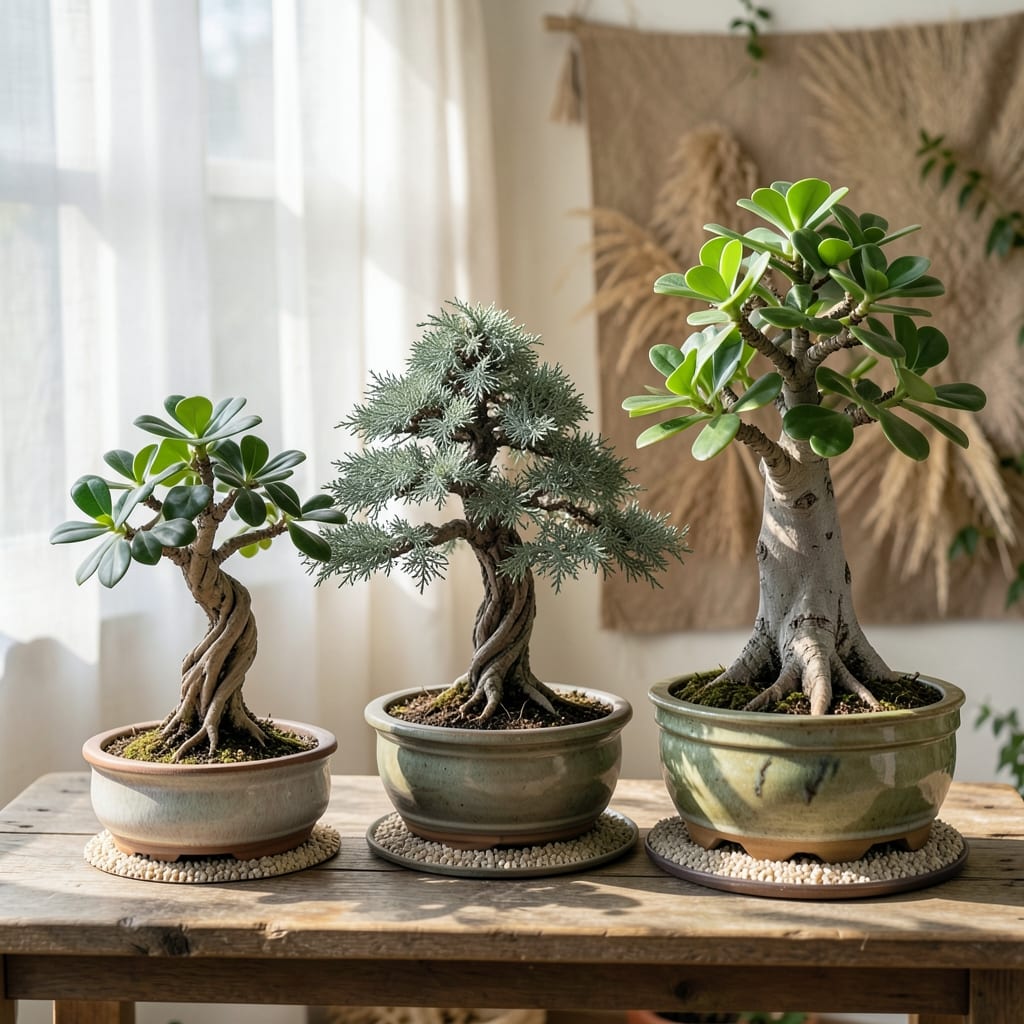
Wondering if your dream 🌳 bonsai tree how tall do they grow—whether it’ll stay tiny enough for your coffee table or eventually tower over your bookshelf? The answer depends more on your pruning skills than the tree’s natural size, and here’s why.
Most bonsai trees—like the classic juniper or elegant ficus—naturally grow 6 to 36 inches tall, but with the right care, you can keep them even smaller. The key lies in understanding how species, pruning, and training techniques shape their height over time. Whether you’re a beginner or a seasoned grower, this guide will show you how to control your bonsai’s growth and maintain that perfect miniature look.
Some varieties, like dwarf junipers, stay compact on their own, while others—such as azaleas—need regular trimming to prevent them from stretching beyond your desired height. Neglect the pruning, and even a bonsai can grow taller than expected, losing its charm. But don’t worry: with the right approach, you’ll learn how to guide your tree’s growth and keep it at the height you love.
Ready to discover the secrets of bonsai height control? Let’s dive into the techniques that will help you shape your tree’s size—and keep it thriving for years to come.

Natural bonsai tree heights: species-specific growth limits before pruning
Bonsai trees are masterpieces of patience and precision, but their natural height varies dramatically by species. Before pruning even begins, some varieties—like the dwarf junipers—stay compact at just 6 to 12 inches, while others, such as ficus or azalea bonsai, can reach 2 to 3 feet if left unchecked. Understanding these limits helps you choose the right species for your space and goals.
The height potential of a bonsai depends entirely on its species. For example, a juniper bonsai might naturally grow to 18 inches in the wild, but with bonsai techniques, it stays between 10 and 16 inches. Meanwhile, a ficus bonsai, which can grow much taller outdoors, is typically kept between 12 and 24 inches in bonsai form. These differences are why selecting the right tree is the first step in controlling its height.
Here’s the key insight: bonsai trees don’t grow taller than their species’ natural limits—they just grow faster without pruning. For instance, a pine bonsai might reach 3 feet in the wild, but with regular pruning, it stays between 1 and 2 feet. The art of bonsai lies in miniaturizing the tree while preserving its natural form, not restricting it beyond its biological capacity.
If you’re aiming for a tabletop bonsai, species like dwarf junipers or Chinese elm are ideal, as they naturally stay under 12 inches. For a floor-level display, varieties like ficus or trident maple can handle heights up to 24 inches with proper care. The choice of species sets the foundation for how much pruning you’ll need to do.
Now, let’s explore how these natural heights compare across popular bonsai species. The table below breaks down the typical mature heights of common bonsai trees before pruning, giving you a clear picture of what to expect—and how to plan your care accordingly.
| Variety | Natural Mature Height (Outdoors) | Typical Bonsai Height (With Pruning) | Growth Rate |
|---|---|---|---|
| Dwarf Juniper (Juniper procumbens) | 6–12 inches | 6–12 inches (minimal pruning) | Slow |
| Chinese Elm (Ulmus parvifolia) | 10–20 feet | 12–20 inches | Moderate |
| Ficus (Ficus retusa) | 30–50 feet | 12–24 inches | Fast |
| Trident Maple (Acer buergerianum) | 15–25 feet | 18–30 inches | Moderate |
| Azalea (Rhododendron spp.) | 3–6 feet | 12–18 inches | Slow to Moderate |
| Japanese Black Pine (Pinus thunbergii) | 20–30 feet | 18–36 inches | Slow |
As you can see, the natural height of a bonsai tree in the wild is often far greater than what you’d see in a bonsai pot. This stark contrast is why pruning and training are essential—without them, even a juniper could grow into a 3-foot shrub in just a few years. The goal of bonsai is to preserve the essence of the tree while keeping it small enough to appreciate up close.
For example, a ficus bonsai, which can grow 50 feet tall in nature, is typically kept between 12 and 24 inches in bonsai form. This dramatic reduction in size is achieved through pruning, wiring, and root restriction, all of which we’ll explore in the next section. The key takeaway here is that species selection is your first tool in controlling height—choose wisely, and you’ll spend less time fighting unruly growth.
Natural bonsai tree heights: species-specific growth limits before pruning
Bonsai trees are famous for their miniature size, but their natural growth potential varies wildly by species. Before pruning even begins, some varieties—like the juniper bonsai—might reach 3 feet tall in the wild, while others, such as the dwarf azalea, rarely exceed 18 inches. Understanding these limits helps you set realistic expectations for your tree’s height, even before you start shaping it.
The key to controlling height starts with choosing the right species for your space. For example, a ficus bonsai can grow up to 36 inches tall if left unpruned, while a pine bonsai might stretch toward 4 feet without intervention. Even the smallest bonsai, like the jade bonsai, can reach 2 feet if neglected. Your goal as a grower is to harness these natural tendencies and guide them into the size you desire.
Here’s how different bonsai species compare in terms of their natural height limits before pruning. This table highlights the maximum potential height for popular varieties, giving you a baseline for what’s possible—and what you’ll need to prune to achieve your ideal bonsai size.
| Variety | Natural Height Limit (Before Pruning) | Typical Bonsai Height (With Pruning) |
|---|---|---|
| Juniper (e.g., Procumbens) | 36 inches (3 ft) | 12–24 inches (1–2 ft) |
| Ficus (e.g., Retusa) | 36 inches (3 ft) | 18–30 inches (1.5–2.5 ft) |
| Pine (e.g., Black Pine) | 48 inches (4 ft) | 24–36 inches (2–3 ft) |
| Azalea (Dwarf Varieties) | 18 inches (1.5 ft) | 12–18 inches (1–1.5 ft) |
| Jade (Crassula Ovata) | 24 inches (2 ft) | 12–18 inches (1–1.5 ft) |
If you’re aiming for a tabletop bonsai, dwarf varieties like azaleas or juniper procumbens are ideal because they naturally stay under 18 inches. For a statement-piece bonsai, species like ficus or pine offer more flexibility, but they’ll require regular pruning to keep them from growing too tall. The good news? Even if your bonsai starts with a wild growth habit, pruning techniques can bring it back to your desired height over time.
One common misconception is that all bonsai trees stay small on their own. In reality, neglecting pruning is the fastest way to end up with a bonsai that’s taller than your coffee table. For instance, a ficus bonsai left unpruned for a year could easily shoot up to 3 feet, losing its charm as a miniature tree. That’s why understanding your species’ natural growth rate is the first step in keeping it at the perfect height.
For example, juniper bonsai trees grow slowly, making them easier to manage for beginners, while pine bonsai trees can grow 6–12 inches per year if not pruned. This means your pruning schedule should align with your tree’s growth speed. Fast growers like pines need monthly pruning, while slower growers like junipers can be pruned every 2–3 months. Knowing these differences helps you plan your maintenance routine and avoid surprises.
The art of bonsai lies in balancing natural growth with intentional pruning. Whether you’re working with a dwarf variety or a fast-growing species, the key is to start pruning early and stay consistent. With the right approach, you can shape your bonsai into any height you desire—whether it’s a compact 12-inch tree or a taller 3-foot masterpiece. The choice is yours, but the tools to control its height are always within reach.