Trees
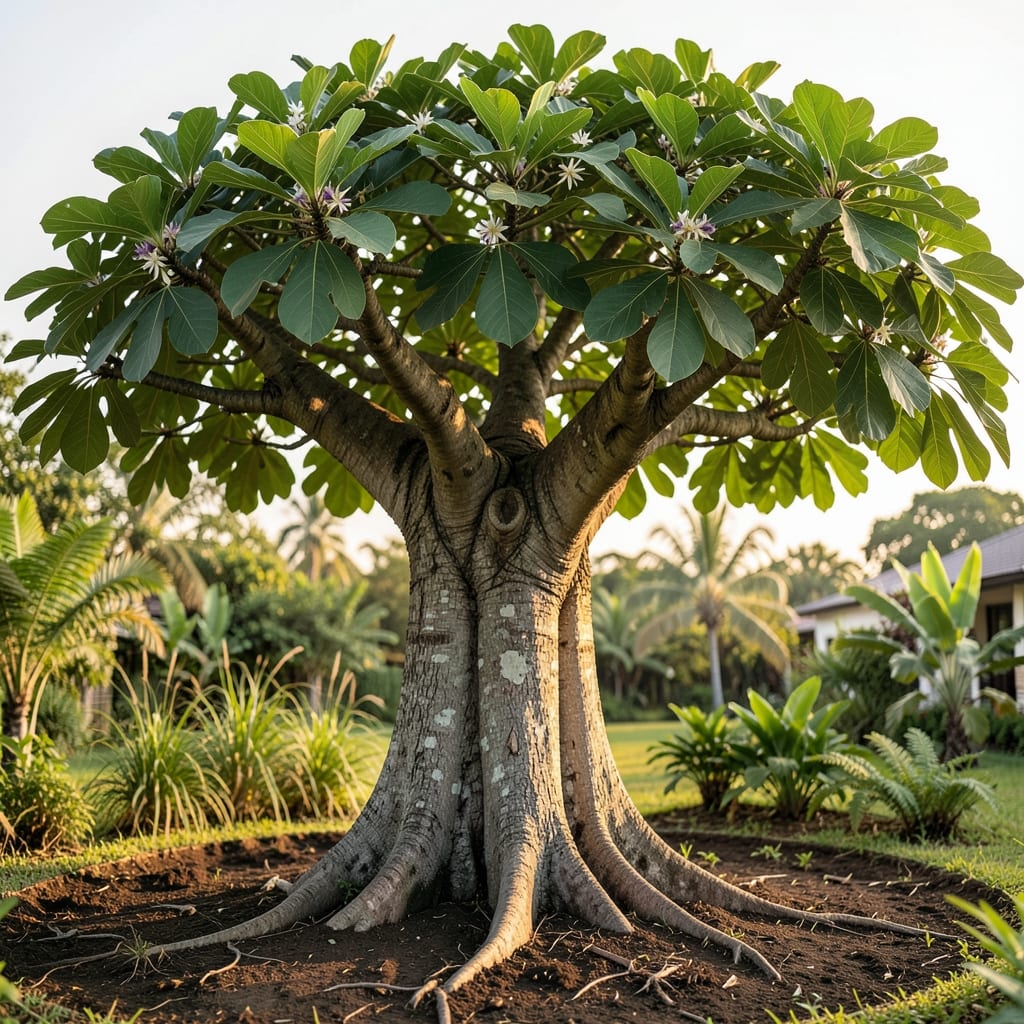
If you're dreaming of a towering tree that turns heads in your landscape, the kapok tree (Ceiba pentandra) might be your answer—but how tall can a kapok tree grow is nothing short of jaw-dropping. This tropical giant can reach 100 to 165 feet in ideal conditions, making it one of nature's fastest-growing giants. Whether you're planning a backyard oasis or a large estate, understanding its growth habits is key to giving it the space and care it deserves.
What makes the kapok tree 🌳 so fascinating isn't just its staggering height, but how quickly it gets there. In just a few years, it can shoot up 30 feet or more, making it a favorite for those who want instant shade and drama. However, its sky-high ambitions come with responsibilities—like ensuring it has room to stretch its roots and thrive in warm climates like USDA Zone 6a and beyond.
But here's the catch: not every garden can accommodate a 165-foot behemoth. We'll break down how tall your kapok tree can grow based on your location, soil, and care routine, plus smart tips to manage its growth if space is limited. Think of this as your cheat sheet for cultivating a tree that feels like a living skyscraper—without the urban footprint.
Ready to unlock the secrets of this fast-growing giant? Let’s dive into how to nurture a kapok tree that doesn’t just reach for the sky, but owns it—while keeping your landscape (and your neighbors’ fences) intact.


Kapok tree height limits: how tall can it actually grow?
The kapok tree (Ceiba pentandra) is nature’s answer to a skyscraper in your backyard, but its height isn’t just a matter of luck—it’s a mix of genetics, climate, and care. In the wild, these trees can soar to 165 feet, rivaling the height of a 10-story building. However, in home gardens, they often max out at 100 to 120 feet due to space constraints and pruning. The key to unlocking its full potential lies in understanding the factors that push it toward the sky—or keep it grounded.
What’s wild is how fast this tree grows. Young kapok trees can shoot up 3 to 5 feet per year in ideal conditions, making them one of the fastest-growing giants in the tropical world. But don’t let the speed fool you—this isn’t a tree you plant overnight. It takes decades to reach its mature height, so patience (and foresight) are non-negotiable if you’re dreaming of a kapok canopy.
🌱
| Factor | Impact on Height | Optimal Conditions |
|---|---|---|
| Genetics | Determines max potential (100–165 ft) | Native tropical varieties |
| Climate | Warmer zones (USDA 10+) allow full growth | Year-round warmth, high humidity |
| Soil | Poor drainage stunts growth; rich soil fuels height | Well-draining, slightly acidic (pH 6.0–7.5) |
| Space | Crowding limits height; open space encourages growth | Minimum 30 ft from structures/buildings |
| Pruning | Heavy pruning reduces height; minimal pruning preserves growth | Light shaping only; avoid aggressive cuts |
If you’re planting a kapok tree in USDA Zone 6a or cooler, expect it to grow more slowly and potentially reach only 60 to 80 feet. The tree’s native habitat—tropical rainforests of Central and South America—gives it a head start, but even in ideal zones like Florida or Hawaii, it may not hit its full 165-foot potential without perfect conditions. Think of it like a tropical athlete: give it the right environment, and it’ll perform at its best.
One common myth is that kapok trees can grow 300 feet tall, but this is more folklore than fact. While some ancient specimens in primary rainforests may have reached such heights, modern cultivation in gardens or urban settings caps them at 120 feet or less. The difference? Competition for sunlight, nutrient availability, and lack of space to spread its massive root system.
For comparison, the kapok tree dwarfs other fast-growing giants like the empress tree (Paulownia tomentosa), which tops out at 50 feet, or the monkey puzzle (Araucaria araucana), which grows to 80 feet. Its height makes it a standout for landscaping large properties, but it’s not a tree for small yards. If you’re considering one, start with a young sapling and plan for its future—literally.
🌿
Another critical factor is the tree’s root system. Kapok trees develop extensive, deep roots that can spread 50 feet wide or more. This means you’ll need to plant it far from sidewalks, driveways, or septic systems to avoid damage. The roots also compete aggressively for water and nutrients, so mulching and deep watering are essential to keep it on track for sky-high growth.
So, how tall can your kapok tree grow? The answer depends on your location, care routine, and how much space you’re willing to dedicate. In the right conditions, it’s a 165-foot marvel—but in a suburban backyard, it might stay at a more manageable 80 feet. The good news? Even at half its potential, it’s still a stunning shade provider and a conversation starter. Just be prepared to think big—this isn’t a tree for the faint of heart or small spaces.
☀️
Fast-growth secrets: how to maximize a kapok tree’s height potential
If you’re aiming for a kapok tree that stretches toward the sky, the secret lies in mimicking its natural tropical habitat. This tree thrives on speed and space, so the first rule is to plant it in a location with full sun exposure (6+ hours daily) and well-draining soil. Poor soil or shade will slow its growth to a crawl, turning your potential skyscraper into a stunted shrub. Amend the soil with compost or organic matter before planting to give it a nutrient-rich foundation for rapid vertical growth.
Watering is another critical factor—deep, infrequent watering encourages deep root development, which fuels its upward surge. Young kapok trees need 10-15 gallons of water weekly during their first year, while mature trees can handle moderate drought tolerance once established. The key is to water early in the morning to reduce fungal risks and maximize absorption.
💧
- 🌱 Plant in full sun (6+ hours daily) to maximize growth rate.
- 💧 Water deeply 2-3 times per week for young trees; reduce to weekly for mature trees.
- 🌿 Apply balanced fertilizer (10-10-10) every 4-6 weeks during growing season.
- ✂️ Avoid heavy pruning—only shape lightly to maintain height.
- 🌡️ Protect from frost; kapok trees thrive in USDA Zones 10-12.
Fertilizing plays a huge role in accelerating growth. Use a balanced 10-10-10 fertilizer every 4-6 weeks during the growing season (spring through summer) to fuel its rapid development. Avoid over-fertilizing, as this can lead to excessive leaf growth at the expense of height. Instead, focus on root and trunk development by keeping fertilizers moderate but consistent.
Pruning is where many gardeners go wrong. The kapok tree’s natural shape is its fastest-growing form, so avoid aggressive pruning. If you must shape it, do so lightly in late winter to encourage new growth without stunting its vertical progress. Heavy pruning can trigger bushier, shorter growth, defeating the purpose of cultivating a towering tree.
Another pro tip? Mulch around the base with organic matter like wood chips to retain moisture and regulate soil temperature. This mimics the humid, warm conditions of its native rainforest habitat, encouraging faster growth. Just keep the mulch 2-3 inches away from the trunk to prevent rot.
Finally, be patient—but not too patient. Kapok trees can add 3-5 feet per year in ideal conditions, but their true height potential unfolds over decades. If you’re in a cooler climate (like USDA Zone 6a), expect slower growth and a shorter mature height. The good news? Even a 60-foot kapok tree is still a stunning centerpiece for large landscapes.
☀️