
Flowers
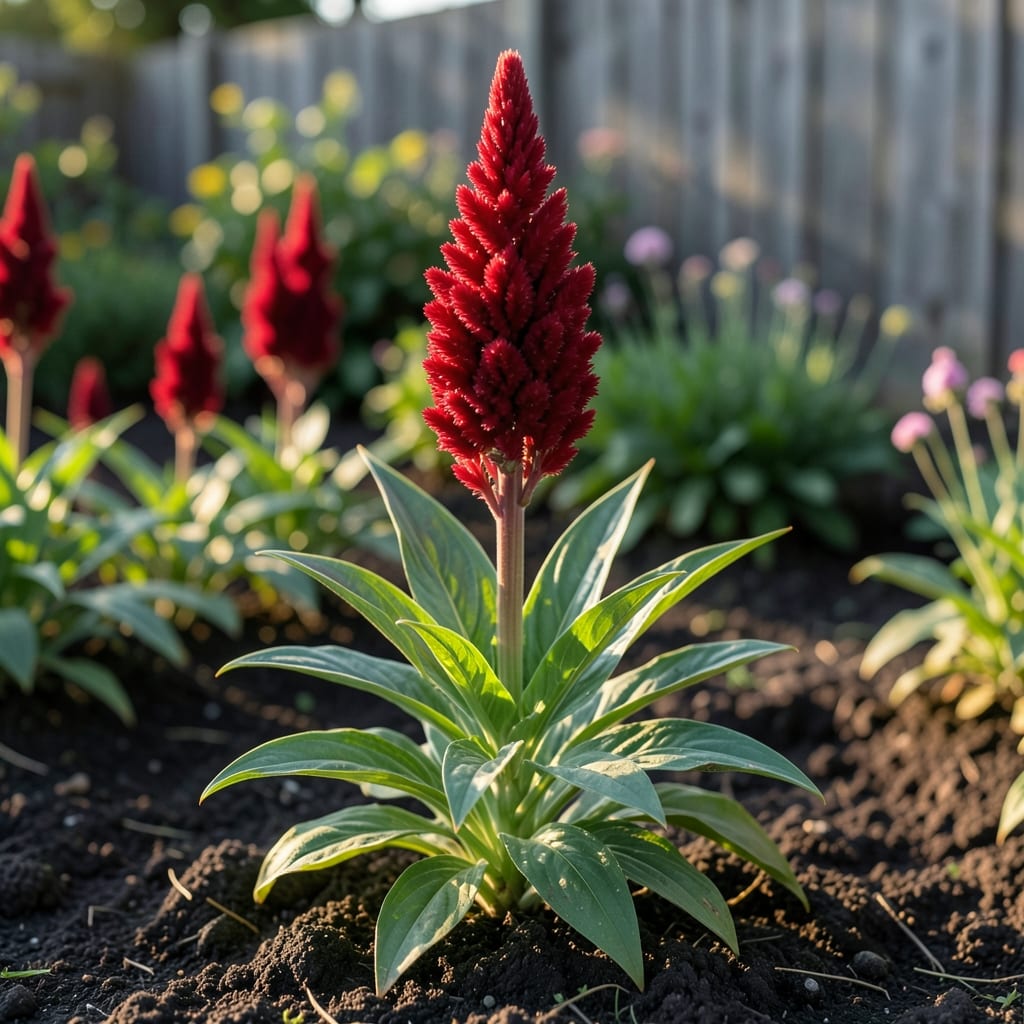
If you’ve ever wondered just how tall celosia how tall do they grow—the answer might surprise you—because these fiery blooms range from tiny tabletop charmers to towering garden stars. Whether you’re planning a container garden or a bold flowerbed backdrop, choosing the right variety means knowing whether you’ll end up with 6-inch dwarfs or 3-foot giants.
The secret lies in the variety: Celosia argentea (plumed types) often stretch toward the sky, while Celosia cristata (crested varieties) stay more compact. But here’s the twist—sunlight, soil, and even pruning can tweak their height dramatically. Let’s break down how to pick the perfect size for your space and keep them thriving.
For container gardens, dwarf varieties are your best bet, while border plants can handle mid-size types. If you’re aiming for a dramatic focal point, taller celosia will steal the show—but only if you give them the right care. I’ll show you how to control their growth naturally, so you get the height (or lack thereof) you’re after.
Ready to transform your garden with these vibrant plumes? Let’s dive into the varieties, growth tips, and tricks to get the celosia height you’ve been dreaming of—without the guesswork.


Celosia height variations by variety: dwarf to giant sizes explained
Celosia plants are famous for their firework-like plumes and compact growth habits, but their mature heights can vary dramatically. Whether you're planning a container garden or a backyard border, understanding these differences helps you choose the perfect variety for your space.
The three main celosia types—Celosia argentea (plumed), Celosia cristata (crested), and Celosia spicata (upright)—each offer distinct height ranges. Plumed varieties often reach the greatest heights, while crested types stay shorter and bushier, making them ideal for edging or window boxes.
Dwarf varieties like 'Tom Thumb' (6-12 inches) are perfect for small containers or window boxes, while mid-height options like 'Merlot' (18-24 inches) work beautifully in flowerbed borders. For dramatic vertical impact, 'Impala' can reach over 3 feet, making it ideal for backyard focal points.
Even within the same variety, height can vary based on growing conditions. For example, 'Atomic Red' might stay shorter in partial shade or lean taller when given full sun and rich soil. Always check seed packets for specific variety notes to avoid surprises in your garden layout.
If you’re growing celosia in containers, choose dwarf or semi-dwarf varieties to prevent overcrowding. A 5-gallon pot can comfortably hold a 12-inch-tall variety, while larger containers (10+ gallons) accommodate mid-height or giant types.
For cut flower arrangements, taller varieties like 'Impala' provide stunning stems, while shorter types like 'Tom Thumb' add delicate accents. Mixing heights in a single arrangement creates visual interest and balances your bouquet.
Always consider your garden’s hardiness zone. In cooler climates (USDA zones 6-8), celosia may grow slightly shorter than in warmer zones (9-11). If you’re pushing the limits, start seeds indoors for a 2-3 week head start to maximize growth potential.
Pro tip: If you love the look of tall celosia but have limited space, try pruning back the stems by one-third when they reach 12 inches. This encourages bushier growth and prevents leggy, top-heavy plants from flopping over.
My favorite trick? Planting 'Tom Thumb' in front of 'Impala' creates a stunning height gradient. The 6-inch dwarfs contrast beautifully with the 3-foot giants, adding depth and texture to any garden design.
Celosia height variations by variety: dwarf to giant sizes explained
When planning your garden, knowing celosia how tall do they grow helps you choose the perfect variety for your space. Celosia plants fall into three main height categories—dwarf, mid-size, and giant—each with distinct characteristics that suit different garden layouts. The variety you pick isn’t just about aesthetics; it’s about creating harmony in your flowerbeds or containers.
Dwarf celosia varieties, like Celosia cristata 'Nana', typically reach 6 to 12 inches tall, making them ideal for window boxes, fairy gardens, or as edging plants. These compact types thrive in tight spaces and are perfect if you’re working with limited room. Meanwhile, mid-size varieties such as Celosia argentea 'Atrosanguineum' grow 18 to 24 inches tall, offering a balanced height for borders or mixed containers.
| Variety Type | Mature Height | Best For | Notes |
|---|---|---|---|
| Dwarf (e.g., 'Nana') | 6–12 inches | Containers, borders, fairy gardens | Compact, great for small spaces |
| Mid-Size (e.g., 'Atrosanguineum') | 18–24 inches | Borders, mixed beds, mid-height containers | Versatile, balances other plants |
| Giant (e.g., 'New Look') | 30+ inches | Backdrops, focal points, tall containers | Dramatic plumes, needs staking |
Giant celosia varieties, such as Celosia argentea 'New Look', can soar to 30 inches or taller, making them perfect for creating bold backdrops or focal points in your garden. These varieties need sturdy stems or stakes to support their weight, especially in windy conditions. If you’re aiming for a dramatic vertical element, these giants will deliver—but they require more space and careful placement.
One of the most exciting aspects of celosia is how their height can be influenced by their growth habit. For example, plumed celosia (like 'Silver Moon') often grow taller and more upright, while crested celosia (like 'Cock’s Comb') stay bushier and shorter. This distinction is crucial when pairing them with other plants—tall plumes work beautifully as a backdrop, while crested types add texture at ground level.
To get the most out of your celosia’s height potential, consider their mature size and how it will interact with your garden’s layout. For instance, pairing a 6-inch dwarf with a 2-foot mid-size creates a layered effect, while a 3-foot giant can anchor a mixed border. The key is to match their height to your design goals and give them the right growing conditions to thrive.
If you’re still unsure which variety to choose, start with a mix of heights—plant a few dwarfs in the front, mid-sizes in the middle, and giants in the back. This tiered approach not only maximizes visual impact but also ensures your celosia plants complement each other naturally. With the right variety and placement, you’ll have a garden that’s both functional and stunning.