
Flowers
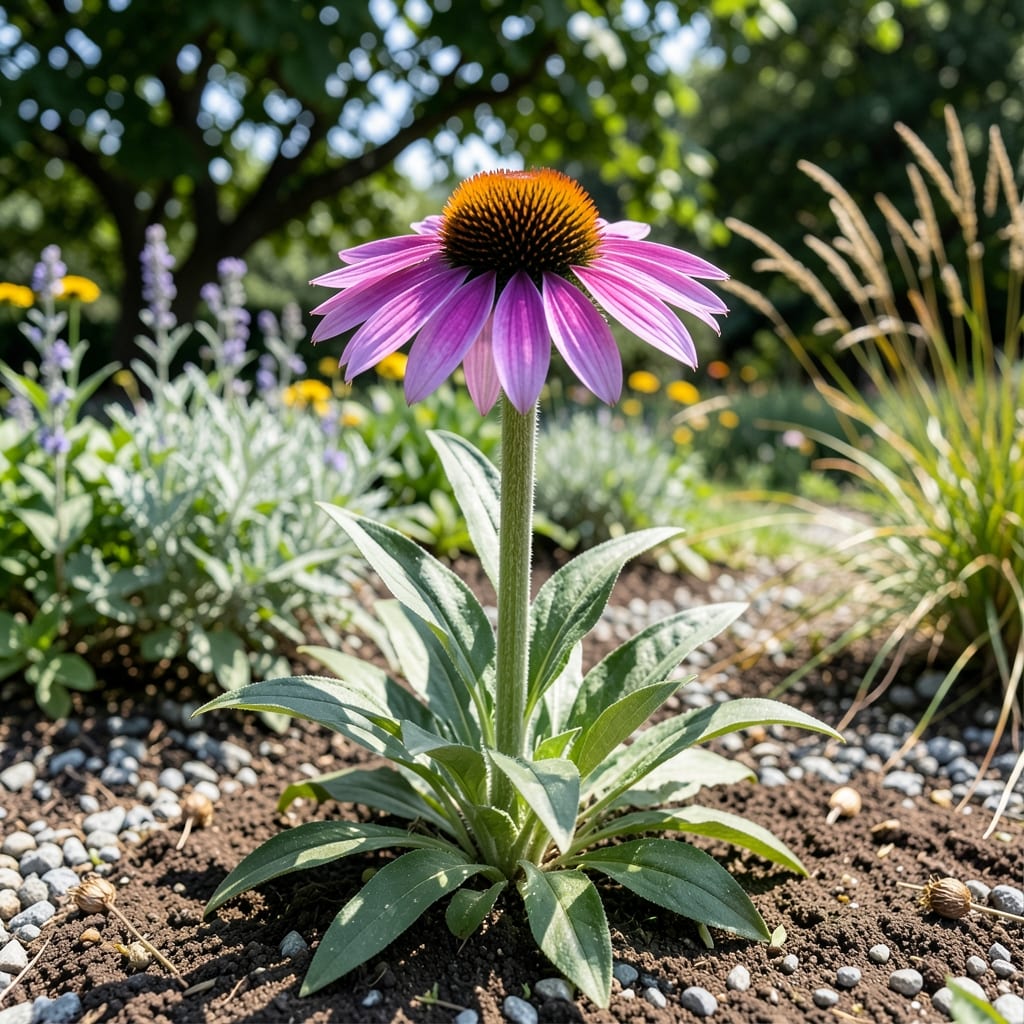
If you're wondering how tall echinacea 🌼 can grow, the answer depends more on the variety you choose than you might think—some stay compact while others reach towering heights that could outshine your garden's focal point.
Picture this: a 12-inch 'Green Envy' tucked neatly into a border next to a 4-foot 'White Swan' standing proudly in the back. That dramatic difference proves echinacea height isn't one-size-fits-all. Whether you're working with limited space or aiming for a bold statement, knowing these ranges helps you plan your garden layout without surprises.
But here's the catch: height isn't just about genetics. Your growing zone plays a role too—plants in warmer climates often stretch taller than their cooler-zone cousins. We'll break down exactly how to match varieties to your space and climate for perfect proportions.
Ready to discover the game-changer varieties that fit your vision? I'll show you how to control growth through simple techniques that keep your echinacea looking its best all season long.


Echinacea plant height by popular varieties: from dwarf to towering
Choosing the right echinacea variety is key to fitting these showstopping blooms into your garden design. The mature height of echinacea can range from just 12 inches to over 5 feet, depending on the cultivar. Dwarf varieties like 'Green Envy' stay compact, while tall varieties like 'White Swan' reach impressive heights. Understanding these differences helps you plan spacing and avoid overcrowding.
Most gardeners assume all echinacea plants grow equally tall, but the truth is far more varied. For example, 'Hot Papaya' stays under 2 feet, making it perfect for container gardens, while 'Magnus' towers at 4-5 feet, ideal for border plantings. Even the color of the blooms doesn’t always correlate with height—some pink varieties are dwarf, while others grow tall.
Here’s the critical factor: growth habit. Some varieties grow in clumping patterns, while others spread wider. This affects not just height but also how much space you’ll need to allocate. For instance, 'Sombrero Salsa' stays under 18 inches but spreads 2 feet wide, while 'Cheyenne Spirit' grows 3-4 feet tall but remains narrow.
If you’re designing a small garden, prioritize dwarf varieties like 'Green Envy' or 'Hot Papaya'. For a backyard border or wildlife garden, taller varieties like 'Magnus' or 'White Swan' create stunning vertical interest. The right choice depends on your space and design goals.
When selecting varieties, consider your garden layout. Taller echinacea like 'Magnus' or 'White Swan' work beautifully as backdrop plants or near fences, while dwarf varieties shine in rock gardens or container plantings. Mixing heights creates visual interest—place taller varieties behind shorter ones to draw the eye upward.
Another pro tip: deadheading spent blooms encourages more flowers and can slightly reduce height over time. For varieties prone to flopping (like 'Magnus'), use stakes or rings to support stems without restricting growth. This keeps your garden neat while maintaining the plant’s natural height potential.
If you’re new to echinacea, start with 2-3 varieties to test what thrives in your space. For example, pair 'Green Envy' (dwarf) with 'Cheyenne Spirit' (medium) for a layered look. Over time, you’ll discover which heights work best for your climate and soil conditions.
Remember, echinacea’s first-year growth is often slower than mature plants. A 3-foot variety might only reach 1-2 feet in its first season, so give it patience—and space to grow! With the right variety, your garden will buzz with pollinators and bloom from summer to fall.
For container gardening, stick to dwarf varieties like 'Green Envy' or 'Hot Papaya'. Use pots at least 12 inches deep to accommodate roots, and ensure they have drainage holes to prevent rot. In-ground plantings benefit from well-draining soil and full sun to reach their full height potential.
Now that you know the height range, you’re ready to choose echinacea that fits your vision—whether you’re creating a pollinator paradise, a cut-fl
How growing zones affect echinacea height and bloom time
Your USDA growing zone plays a surprisingly big role in how tall your echinacea grows and when it blooms. Plants in warmer zones (7–9) often reach their maximum height potential, while those in colder zones (3–5) may stay shorter due to shorter growing seasons. For example, a 'White Swan' variety might hit 48 inches in Zone 8 but only 36 inches in Zone 5.
Cooler climates also delay blooming by 2–4 weeks compared to warmer regions. In Zone 3–4, expect flowers to appear in late July or August, while Zone 8–9 gardeners see blooms as early as June. This timing shift directly impacts height—plants with longer growing seasons have more time to grow taller stems.
Here’s how to adjust your care based on your zone to optimize height: In cooler zones, focus on early spring feeding with phosphorus-rich fertilizer to strengthen stems. In warmer zones, prioritize consistent moisture to prevent leggy growth. Both approaches help prevent flopping stems that can make plants appear shorter than expected.
Sunlight exposure also interacts with your zone to influence height. In shadier northern zones, echinacea may grow 10–15% shorter than in full sun. If you’re in Zone 5 or colder, choose dwarf varieties like 'Sombrero' (12–18 in) for reliable blooms. These adapt better to shorter seasons while still providing vibrant color.
One final pro tip: In warmer southern zones, watch for overgrowth if you skip deadheading. Removing spent blooms redirects energy to stronger stems rather than excessive foliage. This simple step can keep your 4-foot echinacea from turning into a 5-foot flop by mid-summer.
Understanding your zone’s impact lets you plan your garden layout with confidence. Whether you’re aiming for a border-height accent or a backyard statement plant, these adjustments ensure your echinacea thrives at the perfect height for your space. 🌼