
Size
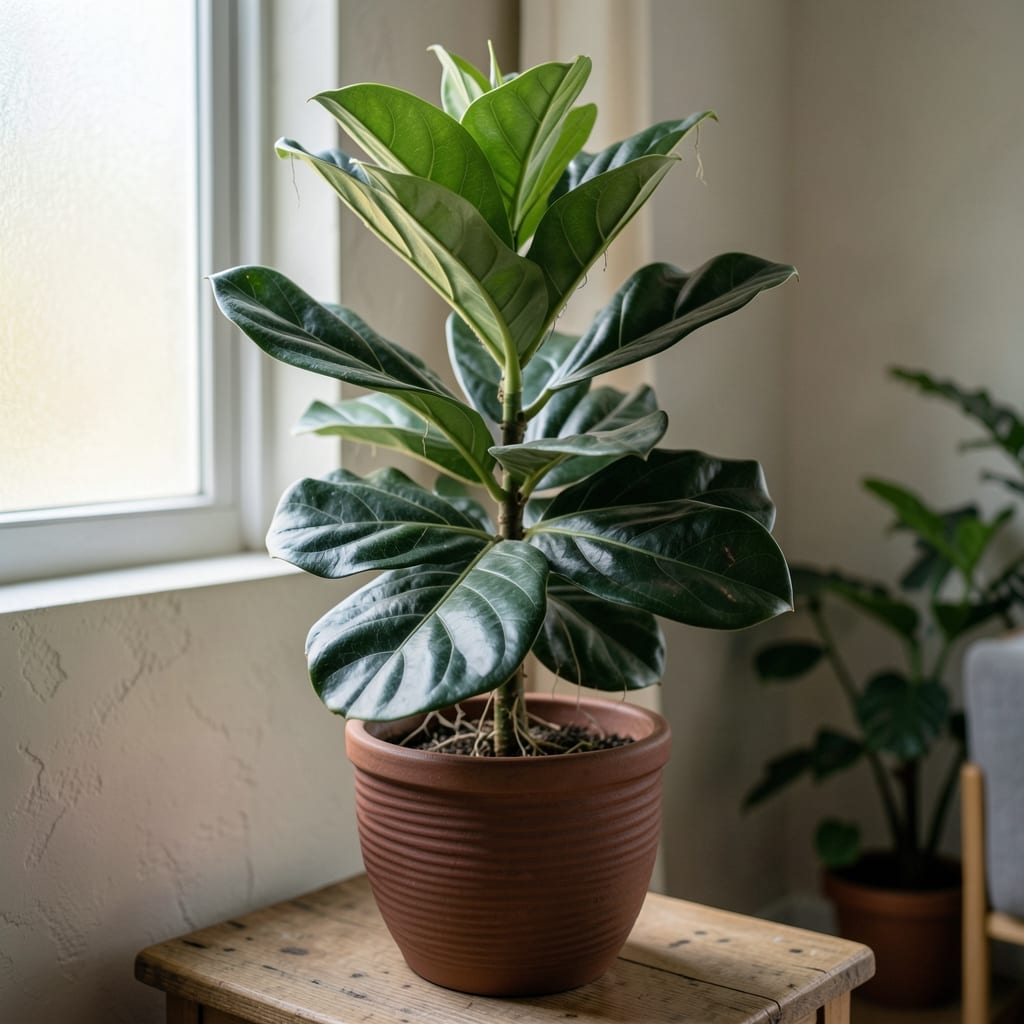
Fiddle leaf fig mature heights by popular varieties (with growth charts)
Your fiddle leaf fig (Ficus lyrata) can become a stunning centerpiece—but its final height depends on the variety you choose. Some grow like towering trees, while others stay compact with proper care. Let’s break down the mature heights of the most popular types and how long they take to reach their full glory.
Most fiddle leaf figs reach their mature height between 5 to 10 years, though some varieties grow faster with ideal conditions. For example, the classic 'Brad' variety can hit 8 to 10 feet indoors, while the 'Imperial White' stays slightly shorter at 6 to 8 feet. Understanding these differences helps you plan for space and pruning needs early.
Outdoor fiddle leaf figs in USDA Zone 10+ (where they thrive year-round) grow 20-30% taller than indoor plants. This is because they receive more natural light, humidity, and space to stretch upward. If you’re growing yours indoors, you’ll need to control height through pruning and lighting adjustments.
Here’s a quick comparison of how different varieties compare in height and growth speed:
| Variety | Indoor Mature Height | Outdoor Mature Height | Time to Mature | Growth Rate |
|---|---|---|---|---|
| 'Brad' | 8–10 ft | 10–12 ft | 7–10 years | Moderate |
| 'Imperial White' | 6–8 ft | 8–10 ft | 6–9 years | Slow |
| 'Curly' | 5–7 ft | 7–9 ft | 5–8 years | Fast |
| 'Variegata' | 7–9 ft | 9–11 ft | 8–12 years | Slow |
The 'Curly' variety is the fastest-growing, often reaching 5 feet in just 3-4 years with optimal care. Its wavy leaves and compact growth make it a favorite for indoor gardeners who want a tropical look without excessive height. Meanwhile, the 'Variegata' takes longer to mature due to its slower metabolism, but its striking white-and-green leaves are worth the wait.
If you’re concerned about your fiddle leaf fig outgrowing its space, remember that pruning can reset its height. You can trim it back by one-third in early spring, and it will regrow bushier with new leaves at the desired level. This is especially useful for varieties like 'Brad', which can become top-heavy and unstable without support.
For outdoor growers in warm climates, consider staking your fiddle leaf fig early. A bamboo stake or trellis provides support as it grows taller, preventing it from leaning or snapping under its own weight. Outdoors, these plants can also develop thicker trunks over time, making them more resilient to wind.
Pro tip: If you’re buying a fiddle leaf fig as a houseplant, ask the nursery about its growth history. Plants grown in low light may have been pruned aggressively to stay small, so they might not reach their full potential height once moved to a brighter spot. Always acclimate your new plant gradually to avoid shock.
🌿
How light, pruning, and pot size control fiddle leaf fig height
Your fiddle leaf fig’s height isn’t set in stone—it’s shaped by three key factors: light exposure, pruning techniques, and pot size. Master these, and you can keep your plant at a manageable height or encourage rapid growth for a statement piece. Let’s dive into how each factor influences your plant’s vertical expansion.
First, light exposure is the #1 growth regulator. Fiddle leaf figs crave bright indirect light—think east or west-facing windows. Too little light? Your plant will stretch toward any available rays, creating leggy stems and reducing leaf size. Too much direct sun? The leaves may scorch, stunting growth entirely. The sweet spot is 6+ hours of filtered light daily, which encourages compact, bushy growth.
Here’s how to use light to control height:
💡 Light & Height Control
- Low light = Tall, leggy growth (stems stretch toward light)
- Ideal light = Compact, bushy growth (balanced height and width)
- Too much sun = Stunted growth (leaves burn, plant conserves energy)
🌿 Pro Tip: Rotate your plant quarter-turns weekly to ensure even growth.
Pruning is your secret weapon for managing height. Unlike many plants, fiddle leaf figs respond well to hard pruning—you can trim back up to one-third of the plant without harm. The best time to prune is in early spring, just as new growth begins. Use clean, sharp pruners to cut just above a leaf node (where leaves grow). This encourages bushier regrowth from lower stems, effectively resetting your plant’s height.
Pot size plays a surprising role too. Fiddle leaf figs grow faster in larger pots because they have more room to develop roots. However, root-bound plants (those cramped in small pots) focus energy on filling the space rather than growing tall. If you want to slow height growth, keep your plant in a slightly root-bound state (repot only when roots circle the pot). For faster vertical growth, upgrade to a pot 2-4 inches wider than the current one every 2-3 years.
For indoor gardeners with limited space, try this growth hack: Place your fiddle leaf fig in a smaller pot and prune it aggressively every 6 months. This keeps it under 5 feet tall while maintaining a lush, full appearance. Pair this with a grow light (like a full-spectrum LED) to simulate ideal sunlight, and you’ll have a manageable yet thriving plant.
Remember, fiddle leaf figs don’t like sudden changes. If you’re adjusting light or repotting to control height, do it gradually over 2-4 weeks. Sudden shifts can cause leaf drop or stress, setting back your height-management goals. Patience and consistency are key!
✂️