
How To
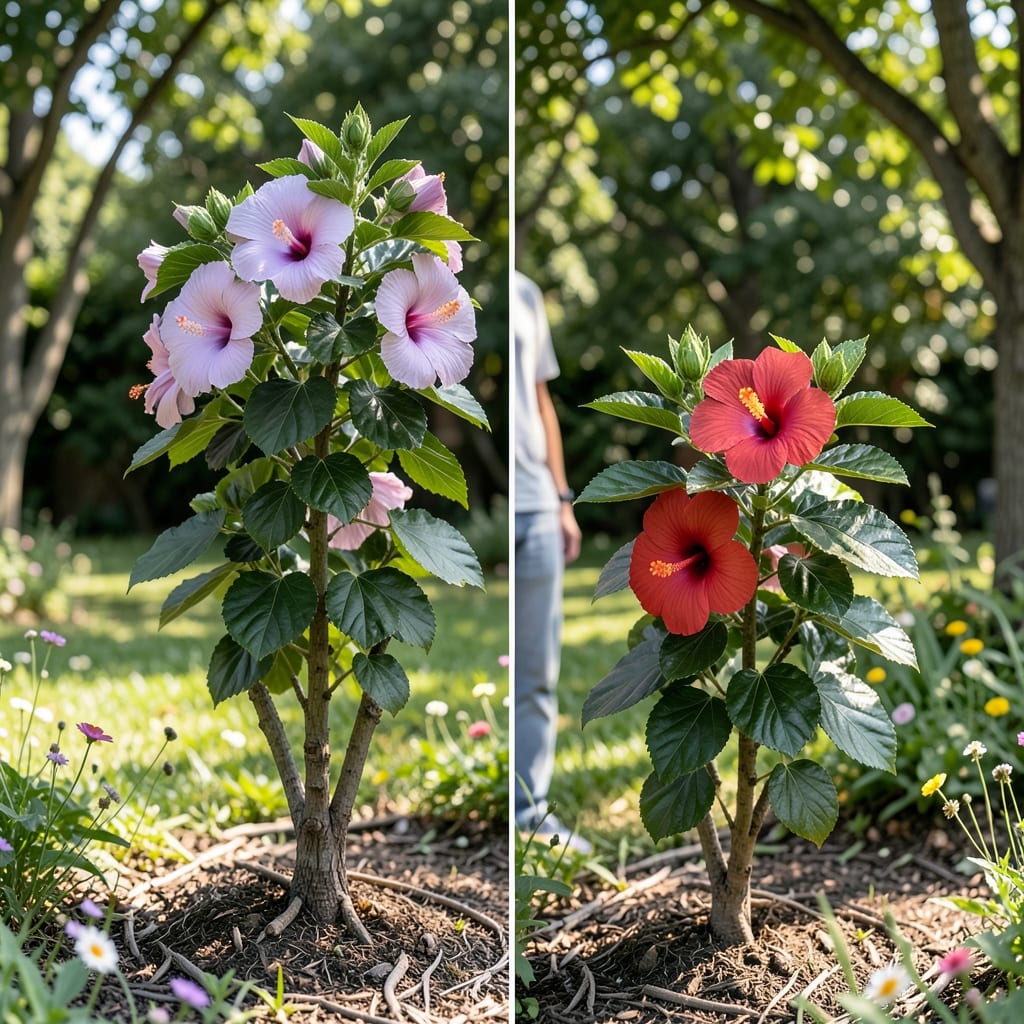
If you’ve ever wondered how tall hibiscus they grow, the answer depends entirely on the variety you’ve chosen. Some stay compact at just 3 feet, ideal for containers, while others can stretch toward the sky, reaching 15 feet—transforming your garden into a lush tropical retreat.
For gardeners in USDA Zone 6a, selecting the right hibiscus isn’t just about beauty—it’s about space planning. Tropical hibiscus, like the stunning Hibiscus rosa-sinensis, can climb to 10-15 feet with proper care, while hardy varieties remain more contained at 3-6 feet. The key? Knowing your space and growth goals before planting.
Pruning plays a game-changing role in controlling height. Regular trimming encourages bushier growth in dwarf varieties and keeps towering types from becoming unruly. Whether you’re aiming for a compact patio plant or a towering privacy screen, understanding these growth habits will help you shape your hibiscus exactly how you want.
Ready to learn how to manage your hibiscus’s height? We’ll break down the best varieties for small spaces, pruning techniques, and care tips to keep your 🌸 hibiscus thriving—no matter how tall (or short) you prefer it to be.

Hibiscus plant height by variety: from dwarf to tree-sized flowers
When planning your garden, knowing hibiscus height is crucial—especially if you’re balancing space with stunning blooms. Tropical hibiscus varieties, like the Hibiscus rosa-sinensis, can reach 10-15 feet when left unpruned, while hardy hibiscus, such as Hibiscus moscheutos, typically max out at 5-8 feet. The difference? Genetics, climate, and care. Let’s break down the height ranges so you can choose the perfect hibiscus for your space.
For small gardens or containers, dwarf varieties like 'Lima' or 'Piebald' stay under 3 feet, making them ideal for patios or balconies. Meanwhile, standard varieties like 'Dwarf Blue' or 'Lady Stanford' grow 5-8 feet, perfect for borders or mid-height garden beds. The key is matching the variety to your available space and growth goals.
Climate also plays a role. Tropical hibiscus thrive in USDA Zones 9-11 and grow aggressively, while hardy hibiscus (like Hibiscus syriacus) can survive Zones 5-9 and remain more manageable in height. Even within the same variety, pruning can adjust growth by 30-50%, so don’t assume your hibiscus will hit its "full" height without intervention.
Here’s a quick reference to help you visualize. The summary-table below compares popular hibiscus varieties by height, growth habits, and ideal spacing for a thriving garden.
If you’re growing hibiscus in containers, opt for dwarf varieties like 'Piebald' or 'Lima', which thrive in 15-20 gallon pots. These stay under 3 feet and bloom profusely, making them perfect for balconies or small yards. Just ensure your container has drainage holes and use a well-draining potting mix to prevent root rot.
For larger gardens, Hibiscus moscheutos (swamp hibiscus) is a standout, with bold, dinner-plate-sized blooms and heights of 5-8 feet. Plant them near ponds or in moist soil, where they’ll thrive without needing constant watering. Their clumping habit also makes them great for naturalizing in shady or partially sunny spots.
Pruning isn’t just for height control—it’s also about encouraging more blooms. Regular trimming in late winter or early spring can reduce a 15-foot tropical hibiscus to a manageable 6-8 feet while promoting bushier growth. Just avoid heavy pruning in fall or winter, as this can stress the plant before dormancy.
Pro tip: If you love the look of tall hibiscus but lack space, consider espalier training. This technique involves pruning and shaping the plant to grow flat against a fence or wall, saving space while keeping the dramatic height. It’s a game-changer for small gardens!
Ready to pick the perfect hibiscus for your space? Start by matching the variety to your available height and garden style. Whether you dream of a towering tropical specimen or a compact container plant, there’s a hibiscus that fits—just choose wisely!
How to control hibiscus height through pruning: step-by-step techniques
Pruning is the secret weapon for managing hibiscus height—whether you want a compact bush or a tall specimen. The key is timing and technique. For tropical hibiscus, prune after flowering (late summer), while hardy varieties respond well to early spring cuts. Always use clean, sharp shears to avoid damaging stems.
Start with light pruning in early spring to remove dead or weak growth. This encourages new shoots and a fuller shape. For dramatic height control, cut back 1/3 of the plant in late winter or early spring. Avoid heavy pruning in fall, as hibiscus need time to harden off before winter.
To encourage bushier growth, trim the tips of branches just above a leaf node. This redirects energy to lateral shoots. For taller varieties, prune selectively—remove only the topmost growth to maintain height while keeping the plant balanced. Never prune more than 1/3 of the plant at once, or you risk stressing it.
🌿 Pro Tip: Prune in the morning when plants are hydrated. This reduces shock and allows wounds to heal faster. Always sterilize your tools with rubbing alcohol between cuts to prevent disease spread.
📋 Step-by-Step Pruning Guide for Hibiscus
- Step 1: Identify dead or diseased branches—cut these first at the base.
- Step 2: Trim 1/3 of the plant to control height. Focus on the longest stems for balance.
- Step 3: Cut just above a leaf node to encourage branching. Angle cuts slightly downward to prevent water pooling.
- Step 4: Remove spent blooms regularly to promote continuous flowering.
- Step 5: Lightly shape the plant in late summer to maintain form before winter.
For container-grown hibiscus, prune more aggressively to keep them under 3 feet. In-ground varieties can handle taller pruning, but avoid cutting into old wood, as hibiscus struggle to regrow from mature stems. If you accidentally over-prune, don’t panic—hibiscus are resilient and will bounce back with proper care.
After pruning, feed your hibiscus with a balanced fertilizer (10-10-10) to support new growth. Water deeply to help recovery, and place the plant in bright, indirect light for a few days to reduce stress. With consistent pruning, you’ll have a hibiscus that stays exactly the size you want—whether it’s a patio-sized bush** or a towering garden centerpiece.