
How To
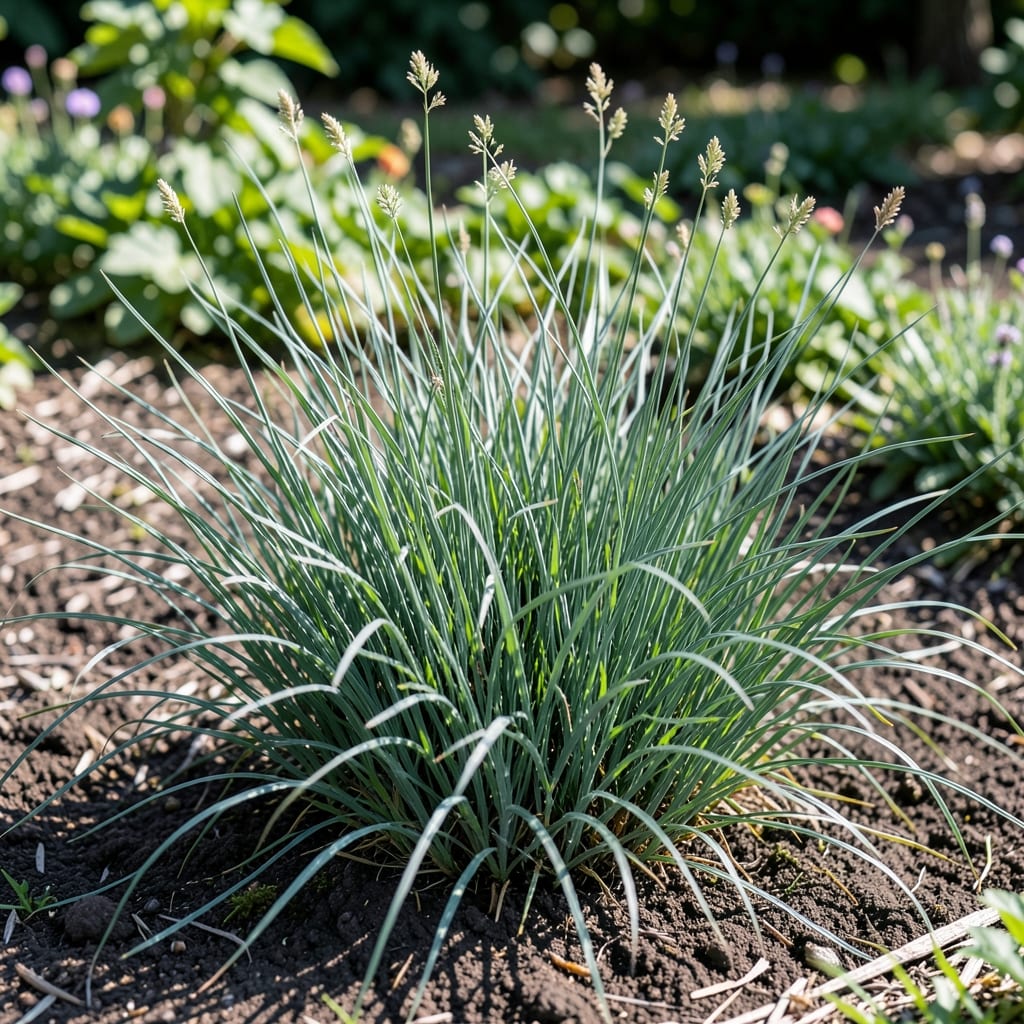
If you’ve ever planted tall fescue 🌱 and wondered how fast it grows, you’re not alone. The growth rate of this cool-season grass can feel like a mystery—especially when comparing seasonal changes. But knowing how fast it grows (and when) is the key to timing your watering, mowing, and fertilizing for the best results.
In ideal conditions—like Zone 6a with proper sunlight and moisture—you might notice new blades sprouting in as little as 7 to 14 days after planting. However, the real magic happens over weeks, not days. Spring and fall are prime seasons for rapid growth, while summer heat can slow things down. Understanding these patterns helps you avoid overwatering or cutting too soon, which can stunt progress.
What if I told you that with the right care, your tall fescue could reach 6 to 12 inches in just a few months? That’s not just a guess—it’s what happens when you align planting with the best window (early spring or fall) and adjust your maintenance. Let’s break down exactly how fast this grass grows each season, so you can set realistic expectations and keep your lawn looking its best.
Whether you’re fixing bare patches or establishing a new lawn, timing is everything. By the end of this guide, you’ll know how to track growth, spot signs of healthy development, and troubleshoot slow spots. Ready to turn those patches of dirt into a lush, green carpet? Let’s get started.

Tall fescue growth rates by season: weekly progress breakdown
If you're seeding tall fescue, the first 4-6 weeks are critical for germination and early root development. Under ideal conditions—60-70°F soil temperatures and consistent moisture—you’ll see the first green shoots emerge in 7-14 days. This early growth phase sets the foundation for how quickly your lawn fills in during the first growing season.
Tall fescue is a cool-season grass, meaning it thrives in spring and fall when temperatures are mild. During these seasons, expect 1-2 inches of growth per week once established. Summer slows things down, but proper care can maintain steady ½-inch weekly growth even in heat. Winter dormancy halts growth entirely, but roots stay active if soil stays unfrozen.
🌱
📋 Tall Fescue Growth Timeline by Season
| Season | Week | Growth Rate | Key Conditions |
|---|---|---|---|
| Spring | 1-2 | 0.1-0.3 in/week | Germination begins at 60°F+ |
| Spring | 3-6 | 0.5-1 in/week | Soil temp 65-75°F, consistent water |
| Summer | 7-12 | 0.2-0.5 in/week | Heat stress slows growth; deep watering |
| Fall | 13-16 | 0.8-1.5 in/week | Ideal temps 50-65°F, root expansion |
| Winter | 17-24 | 0 in/week | Dormant; minimal water, no fertilizer |
For newly seeded lawns, the first 8-12 weeks are the most critical. If you plant in early spring (March-April), you’ll see visible progress by Week 4, with a dense lawn forming by Week 10-12. Fall planting (September) follows a similar timeline but benefits from cooler temps that reduce stress.
In summer months, growth slows dramatically due to heat and drought. However, tall fescue’s deep root system helps it recover quickly once temperatures drop. By late August, you’ll often see a growth surge as the grass prepares for fall’s peak season.
One common misconception is that tall fescue grows slowly in its first year. While it’s true that full maturity takes 2-3 years, proper care can accelerate early establishment. For example, overseeding in fall with a high-quality blend can add 30-50% more coverage in the first growing season compared to spring-only planting.
To maximize growth speed, focus on soil preparation before seeding. Amending clay or sandy soil with compost or peat moss improves moisture retention and nutrient availability. My go-to method is testing soil pH (aim for 6.0-7.0) and adding slow-release fertilizer at planting time.
💧
If you’re restoring a thin or patchy lawn, consider hydromulching for faster germination. This method delivers seeds, mulch, and fertilizer via water spray, creating a protective layer that retains moisture and blocks weeds. Many homeowners see 2-3x faster coverage with hydromulching compared to traditional seeding.
Remember, consistency is key. Skipping watering or fertilizing—even for a week—can set your lawn back by 2-3 weeks in growth. Use a rain gauge to track moisture levels and adjust your watering schedule based on seasonal rainfall patterns.
Factors that speed up or slow down tall fescue growth
Understanding what influences your tall fescue growth rate helps you create the perfect conditions for rapid, healthy turf. Soil pH, watering consistency, and fertilizer timing are the top three factors that determine how fast your grass establishes and thickens. Let’s break down each one to maximize your lawn’s potential.
First, soil pH plays a critical role—tall fescue thrives in slightly acidic to neutral soil, ideally between 6.0 and 7.0. If your soil is too alkaline (above 7.5), the grass struggles to absorb essential nutrients like nitrogen and phosphorus, slowing growth. Test your soil in early spring to adjust with sulfur or lime before planting.
Watering frequency is another game-changer. Tall fescue needs 1 to 1.5 inches of water weekly, but shallow watering encourages weak roots. Use a soaker hose or sprinkler to deliver deep, consistent moisture—especially during the first 30 days after seeding when roots establish. Overwatering, however, can suffocate roots and invite disease.
Next, fertilizer timing directly impacts growth speed. Apply a balanced 10-10-10 fertilizer in early spring (March) and again in early fall (September) to fuel rapid establishment. Avoid heavy summer feeding, as it can stress the grass during heat waves. For new lawns, a starter fertilizer with higher phosphorus (e.g., 5-10-10) boosts root development by 30-50%.
Don’t overlook sunlight exposure—tall fescue needs 6+ hours of direct sun daily for optimal growth. Shady spots slow germination and weaken the grass, making it more susceptible to weeds. If your lawn has partial shade, choose shade-tolerant tall fescue varieties like ‘Kentucky 31’ or ‘Barlexas’ for better performance.
Finally, mowing height affects growth rate. Keep your tall fescue at 2.5 to 4 inches tall—never below 2 inches—to encourage deeper roots and thicker blades. Cutting too short stresses the grass and exposes it to heat and drought, halting growth temporarily.
By optimizing these five factors, you’ll see visible growth within 3-4 weeks after seeding, with full establishment in 60-90 days under ideal conditions. Small adjustments—like testing soil pH or adjusting watering—can make a huge difference in your lawn’s speed and resilience.
🌱 Top 5 Factors Ranked by Impact
- Soil pH (6.0-7.0): Nutrient absorption critical for root growth
- Watering depth: 1-1.5" weekly encourages deep roots
- Fertilizer timing: Spring/fall feeding boosts establishment
- Sunlight (6+ hours): Shade slows germination by 40%
- Mowing height (2.5-4"): Prevents stress and promotes density