
How To
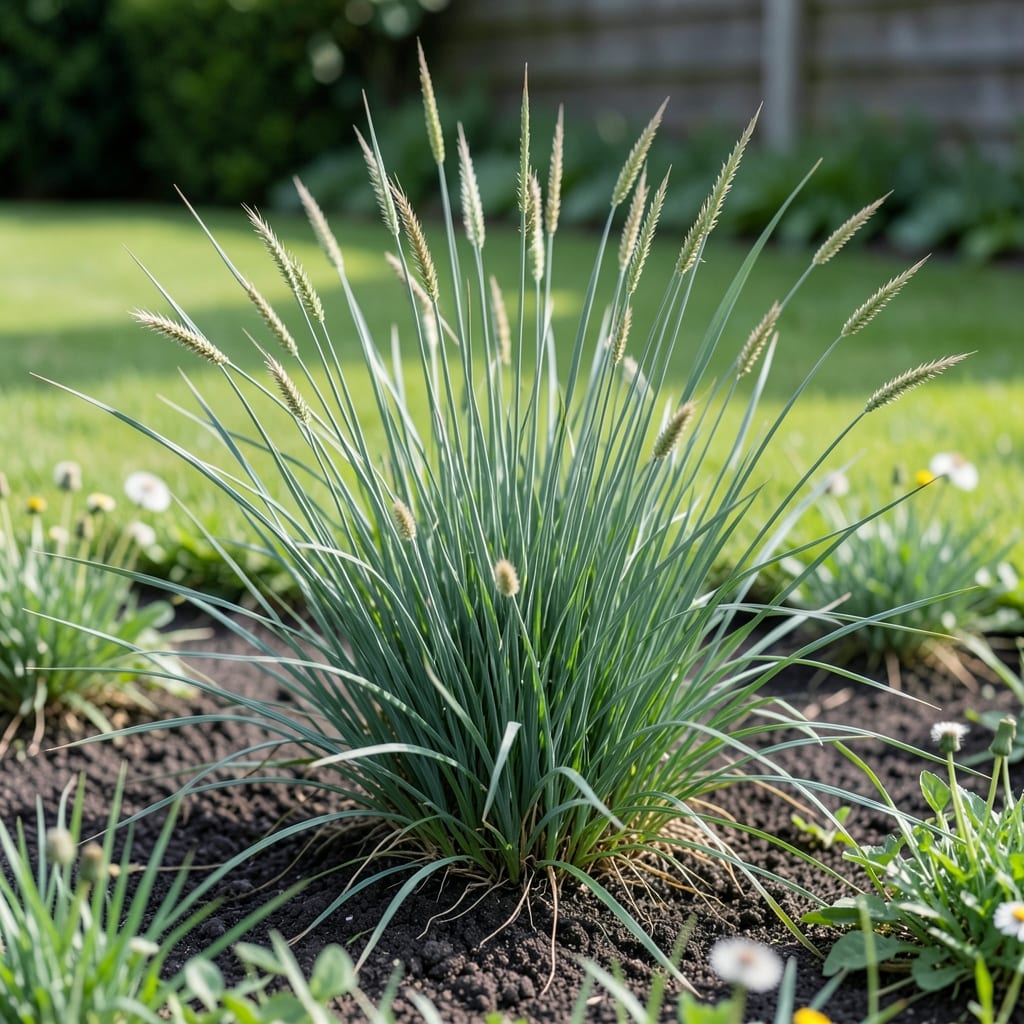
If you're wondering "how long does tall fescue take to grow", the answer isn't as straightforward as you might hope. This cool-season grass is known for its durability, but it rewards patience with deep roots and long-lasting beauty.
From the moment you plant your 🌱 tall fescue seeds, you'll start seeing tiny sprouts within 7-14 days under ideal conditions. However, don't expect a full lawn overnight—this is where the real journey begins.
The most critical phase is the first 6-12 months, where proper care determines whether your grass reaches its full potential. With the right soil preparation, watering schedule, and maintenance, you can accelerate this timeline significantly.
In this guide, I'll walk you through each growth stage, from germination to full maturity, and share the key factors that make the difference between a 6-month lawn and a 12-month one. Let's get started!

Tall fescue growth timeline: month-by-month development stages
Understanding the tall fescue growth timeline helps you set realistic expectations and adjust your care routine. This cool-season grass progresses through distinct stages, each requiring specific attention to achieve the best results.
Your journey begins with germination, where seeds sprout into tiny blades. This phase typically occurs within 7-14 days after planting, provided the soil temperature stays between 60-75°F and moisture levels remain consistent.
Once sprouted, your 🌱 tall fescue enters the establishment phase, lasting about 3-6 weeks. During this time, the grass develops a shallow root system and begins filling in bare spots. This is when you'll notice the first signs of a green lawn.
Here’s a detailed breakdown of what to expect at each stage, including key milestones and care tips:
| Stage | Timeframe | Key Milestones | Care Tips |
|---|---|---|---|
| Germination | 7-14 days | First sprouts appear | Keep soil moist, avoid compacting |
| Establishment | 3-6 weeks | Shallow roots form, grass fills in | Water deeply 2-3x/week, avoid foot traffic |
| Root Development | 6-12 weeks | Deep roots (4-6 inches) | Reduce watering to 1-2x/week, fertilize lightly |
| Maturity | 6-12 months | Full coverage, dense growth | Mow at 3-4 inches, maintain soil health |
During the root development phase (6-12 weeks), your tall fescue will start growing deeper roots, reaching 4-6 inches below the surface. This is crucial for drought resistance and long-term health. You’ll notice the grass becoming thicker and more resilient.
By 6 months, your lawn should have 70-80% coverage if conditions are ideal. However, full maturity—where the grass reaches its 1-2 feet height and dense texture—typically takes 12 months. This is when you can enjoy a low-maintenance, drought-resistant lawn.
Patience is key during the first 6 months. Avoid walking on the lawn or mowing too early, as this can stress the young grass and delay full establishment. Instead, focus on consistent watering and light fertilization to encourage healthy growth.
Once your tall fescue reaches maturity, you’ll reap the rewards of its deep root system, which allows it to thrive in drought conditions and high-traffic areas. Proper care during these early stages ensures your lawn stays lush and green for years to come.
If you’re eager to see faster results, consider overseeding in early fall or spring. This can help fill in thin areas and accelerate the timeline for a full, vibrant lawn.
Tall fescue growth timeline: month-by-month development stages
Understanding the tall fescue growth timeline helps you set realistic expectations and adjust your care routine. Unlike fast-growing annuals, this cool-season grass develops in distinct phases, with visible progress appearing gradually. The first 2 weeks focus on germination, while the next 6-12 months build root strength and density.
Your 🌱 tall fescue seeds will sprout within 7-14 days if soil temperatures stay between 50°F-75°F. During this time, keep the soil consistently moist—never soggy—to prevent seed rot. A light layer of mulch (like straw) helps retain moisture while protecting delicate sprouts from drying winds.
Here’s what to expect in the critical first 3 months:
| Stage | Key Milestones | Care Tips |
|---|---|---|
| Week 1-2 | Germination begins; tiny sprouts appear | Keep soil moist, avoid foot traffic |
| Month 1 | Grass reaches 1-2 inches tall; roots start developing | Light fertilizing (10-10-10), water deeply 2x/week |
| Month 2-3 | Grass thickens; 3-4 inches tall; competitive with weeds | Mow at 3-4 inches, reduce watering slightly |
| Month 4-6 | Deep root system forms; 6-12 inches tall; full coverage begins | Fertilize monthly, overseed thin areas |
| Month 6-12 | Mature height (12-24 inches); dense, drought-resistant turf | Adjust mowing to 3-4 inches, reduce summer watering |
By month 6, your tall fescue should handle light foot traffic, though full maturity—where it resists weeds and drought—typically takes 12 months. The key to accelerating this timeline lies in soil prep and consistent moisture. For example, amending clay soil with compost can reduce establishment time by 20-30%.
One common mistake is overwatering during early stages, which leads to shallow roots. Instead, water deeply 2-3 times per week until germination, then taper to 1-1.5 inches per week once established. This encourages deep root penetration, making your lawn more resilient long-term.
Remember, patience pays off—tall fescue’s deep roots make it far more drought-tolerant than shallow grasses like Bermuda. With proper care, you’ll enjoy a low-maintenance lawn that thrives for decades. The first 6 months are the most critical, so stay consistent with your routine!