
How To
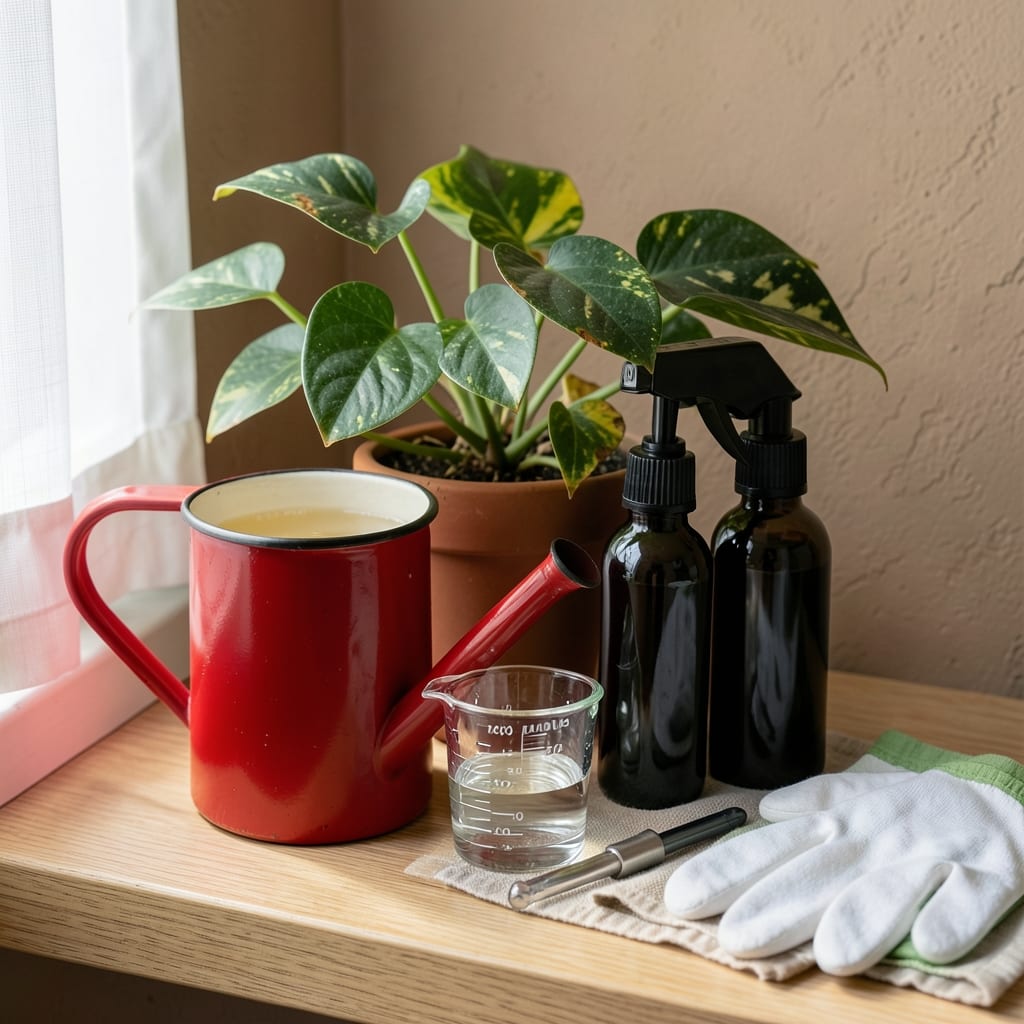
Safe hydrogen peroxide dilution ratios for plant water: expert-recommended percentages
Hydrogen peroxide is a gardener's secret weapon for sterilizing water, promoting root health, and preventing fungal infections. But the wrong concentration can burn roots or stunt growth. Most store-bought 3% hydrogen peroxide is safe when diluted properly, while 35% food-grade solutions require extreme caution. Let’s break down the science-backed ratios for your plants.
For most houseplants, vegetables, and seedlings, a 1:10 dilution ratio (1 part 3% hydrogen peroxide to 10 parts water) is ideal. This low concentration oxygenates roots, boosts nutrient absorption, and kills harmful pathogens without risking damage. For hydroponic systems or sterilizing soil, a slightly stronger 1:5 ratio (1 part to 5 parts water) works—but only for short-term use.
Never use undiluted hydrogen peroxide on plants, even in small amounts. Pure 3% H₂O₂ can cause chemical burns on roots and foliage, while 35% solutions are highly toxic and require 1:100+ dilutions. Always test a small area first, especially on sensitive plants like orchids or succulents.
| Use Case | Hydrogen Peroxide Type | Dilution Ratio | Frequency | Best For |
|---|---|---|---|---|
| Root Soak | 3% | 1:10 (1 tbsp per gallon) | Weekly | Seedlings, cuttings |
| Soil Sterilization | 3% | 1:5 (¼ cup per gallon) | Monthly | Potted plants, hydroponics |
| Foliar Spray | 3% | 1:20 (1 tsp per gallon) | Bi-weekly | Fungal prevention |
| Emergency Sterilization | 35% | 1:100 (1 tsp per gallon) | One-time use | Severe root rot |
To mix a 1:10 dilution for general use, add 1 tablespoon of 3% hydrogen peroxide to 1 gallon of water. Stir well and use within 24 hours, as the solution loses potency over time. For 35% hydrogen peroxide, measure 1 teaspoon per gallon and dilute in a well-ventilated area—never indoors without protection.
Always use freshly mixed solutions to avoid bacterial buildup. Store-bought 3% hydrogen peroxide in dark bottles lasts longer, but never reuse diluted mixtures for more than a day. If you notice fizzing or bubbling beyond the first few minutes, discard it—this indicates decomposition.
For seedlings or delicate plants, halve the concentration to 1:20 (½ tablespoon per gallon) to minimize stress. Monitor plants for 24 hours after application: healthy roots will show slight bubbling, while burned roots may appear brown or mushy.
Hydrogen peroxide works best when combined with organic fertilizers or compost tea. The oxygen boost enhances nutrient uptake, but avoid mixing it with chemical fertilizers, which can cause harmful reactions. Always rinse soil lightly after treatment to prevent salt buildup.
If your plants show signs of stress (yellowing leaves, wilting), flush the soil with plain water for 2-3 days to restore balance. Overuse is the #1 mistake—stick to the recommended ratios, and your plants will thrive with fresh, sterilized water.
🌱 For root rot treatment, combine hydrogen peroxide with neem oil or baking soda for a double-action fungal fighter. Always spot-test on a small area first!
Safe hydrogen peroxide dilution ratios for plant water: expert-recommended percentages
When I first tried using hydrogen peroxide in plant water, I made the rookie mistake of assuming "more is better." That ended with crispy leaf tips on my General Plant 🌱—a painful lesson! The truth? 3% hydrogen peroxide is potent enough to sterilize water but must be diluted properly to avoid damaging roots. The key is understanding which dilution ratio fits your specific need: general watering, fungal treatment, or nutrient boost.
For most gardeners in USDA Zone 6a, a 1:10 dilution ratio (1 part 3% hydrogen peroxide to 9 parts water) is the sweet spot. This concentration provides enough oxygen to roots while preventing chemical burn. Think of it as a gentle sterilizer that also mimics the effects of rainwater, which naturally contains trace amounts of hydrogen peroxide.
Here’s the critical breakdown: 3% hydrogen peroxide is the standard grocery-store variety, but you’ll almost never use it straight from the bottle. Even a 1:1 dilution (50/50 mix) risks over-saturating soil with oxygen bubbles, which can suffocate beneficial microbes. Always start with the 1:10 ratio unless you’re treating a severe fungal outbreak, where a 1:5 ratio might be justified—but even then, limit use to once every 2-3 weeks.
🌱 Hydrogen Peroxide Dilution Ratios for Plants
| Use Case | Dilution Ratio (3% H₂O₂) | Frequency | Best For |
|---|---|---|---|
| General Watering | 1:10 (1 part H₂O₂ to 9 parts water) | Weekly | Houseplants, seedlings, hydroponics |
| Fungal Prevention | 1:5 (1 part H₂O₂ to 4 parts water) | Bi-weekly (max) | Root rot, powdery mildew |
| Seedling Boost | 1:20 (1 part H₂O₂ to 19 parts water) | Every 2 weeks | Germination, transplant shock |
| Soil Sterilization | 1:1 (50/50 mix) | One-time treatment | Repotting, contaminated soil |
⚠️ Pro Tip: Always use freshly mixed hydrogen peroxide—it loses potency within 24 hours. Store in a cool, dark place if pre-mixing for large batches.
If you’re working with 35% food-grade hydrogen peroxide (the kind used for advanced gardening or hydroponics), the dilution ratios become even more critical. A 1:100 ratio (1 part 35% to 99 parts water) is your baseline—this brings it down to roughly the same strength as the 3% grocery-store version. Never skip the dilution step, or you risk chemical burns on roots and leaves.
For General Plants 🌱 in USDA Zone 6a, I recommend testing your dilution on a small section of soil first. Watch for fizzing—excessive bubbling means the concentration is too high. Adjust by adding more water until the reaction slows to a gentle effervescence. This simple step can save your plants from unnecessary stress.
Remember: hydrogen peroxide works best as a supplement, not a replacement for proper soil health. Pair it with compost enrichment and balanced fertilization (like your 10-10-10 NPK) to see the best results. Your General Plant will thank you with stronger roots and vibrant growth!