
Light Requirements
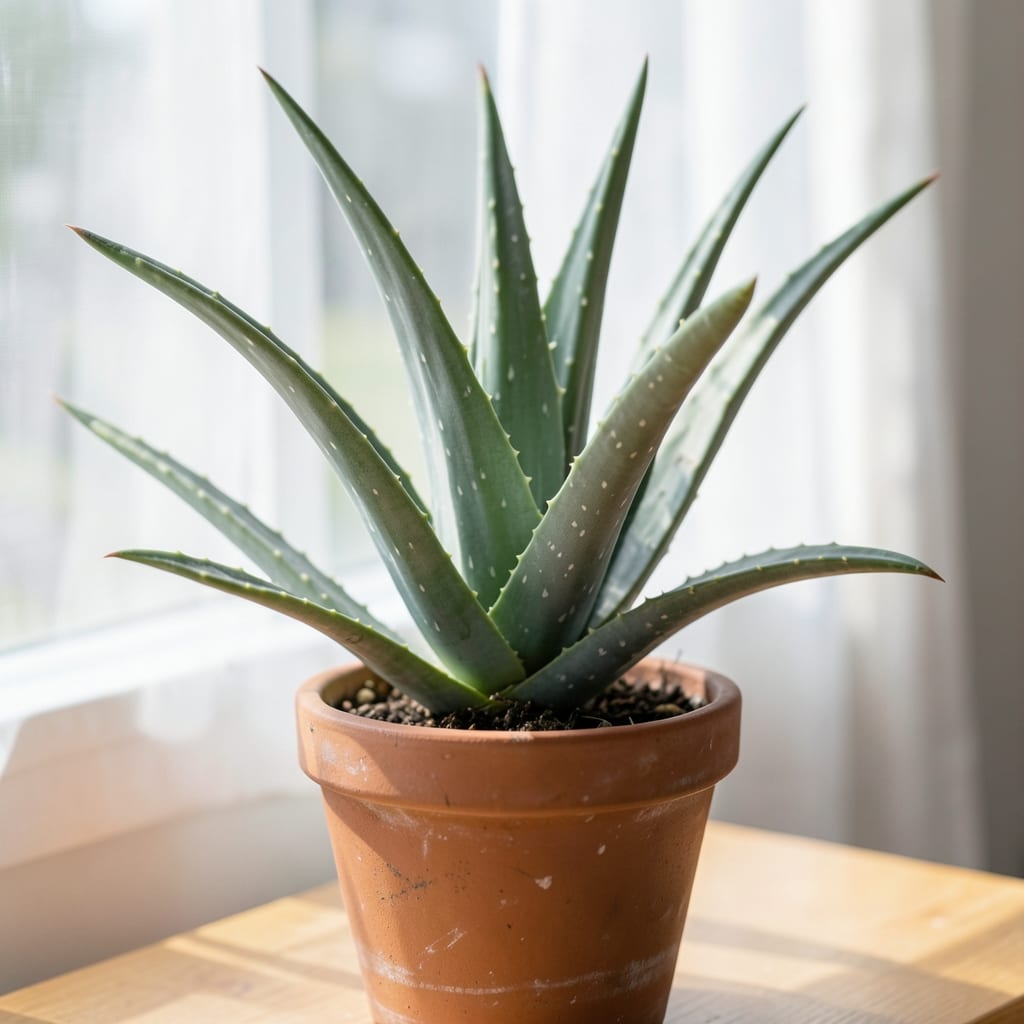
Optimal light requirements for aloe vera growth and health
Aloe plants thrive under bright, indirect sunlight to full sun exposure, making them perfect for sunny windowsills or outdoor gardens. As a succulent, aloe vera naturally seeks 6-8 hours of sunlight daily to maintain its vibrant green leaves and compact growth habit. Without enough light, your plant may stretch toward the sun, developing long, weak stems and pale leaves—a condition called etiolation.
In their native South African desert habitats, aloe plants receive intense sunlight, but they’re adapted to handle it without burning. This means you can place your aloe in a south-facing window or even outdoors in partial shade during peak summer hours to prevent sun damage. The key is finding that sweet spot where your plant gets plenty of light without scorching.
Here’s a quick breakdown of what your aloe needs: 6+ hours of sunlight is ideal, but they can tolerate 4-6 hours in bright indirect light if direct sun isn’t available. For indoor setups, a south or west-facing window is your best bet, as these receive the most sunlight throughout the day. Avoid north-facing windows, which typically offer low light conditions that can stunt growth.
| Light Requirement | Ideal Conditions | Signs of Stress |
|---|---|---|
| Full Sun | 6-8 hours daily (outdoor or south-facing window) | Brown patches, crispy edges (sunburn) |
| Bright Indirect Light | 4-6 hours (east or west window, filtered light) | Leggy stems, pale leaves (etiolation) |
| Low Light | Under 4 hours (north window or shaded indoor spot) | Stunted growth, yellowing leaves, weak stems |
If you’re growing aloe indoors, pay attention to the seasonal changes in sunlight. During winter, days are shorter, so your plant might need a grow light to supplement natural light. A simple LED grow light placed 6-12 inches above the plant for 12-14 hours a day can mimic summer conditions and keep your aloe thriving year-round.
Outdoor aloe plants love morning sun and afternoon shade, especially in hot climates. If you notice brown or white patches on the leaves, it’s a sign of sunburn, which happens when the plant gets too much direct sunlight too quickly. To fix this, move your aloe to a slightly shadier spot or provide afternoon shade with a sheer curtain or mesh screen.
For container-grown aloe, rotate the pot every few weeks so all sides of the plant get equal exposure to light. This prevents uneven growth and ensures your aloe stays compact and symmetrical. If you notice one side leaning toward the light, it’s time to reposition the plant!
In low-light conditions, aloe plants may start to stretch and weaken, a clear sign they need more light. If you can’t move the plant to a sunnier spot, consider upgrading to a larger, south-facing window or investing in a full-spectrum grow light. Even a few extra hours of light can make a huge difference in your aloe’s health and appearance.
Remember, aloe plants are drought-tolerant but not shade-tolerant. If you’re unsure about your home’s light conditions, start with a south-facing window and adjust based on how your plant responds. With the right light, your aloe will reward you with thick, vibrant leaves and may even produce stunning orange or yellow flowers!
🌵
How to adjust light conditions for different aloe plant stages
Aloe plants have unique light needs depending on their growth stage, from tiny seedlings to mature flowering plants. Understanding these stages helps you provide the perfect light conditions at every phase. Seedlings need gentle, indirect light to prevent burning, while mature aloe can handle more intense sunlight. Let’s break down how to adjust light for each stage to keep your plant thriving.
For aloe seedlings, start with bright indirect light for the first few weeks. Place them near an east-facing window or under a sheer curtain to filter harsh rays. Seedlings are delicate and can scorch easily, so avoid direct midday sun. If you notice yellowing or wilting, move them to a slightly shadier spot immediately. Once seedlings develop 3-4 true leaves, you can gradually introduce 2-3 hours of morning sun to harden them off.
Here’s how to adjust light for each stage of your aloe plant’s life:
-
🌱 Seedling Stage (0-3 months)
Bright indirect light (east or west window). Gradually introduce 2-3 hours of morning sun after 4 weeks. -
🌿 Juvenile Stage (3-12 months)
4-6 hours of bright indirect light or filtered sun. Rotate pot weekly for even growth. -
🌵 Mature Stage (1-3 years)
6-8 hours of full sun (south or west window). Provide afternoon shade in peak summer. -
🌼 Flowering Stage (3+ years)
Full sun (8+ hours) to encourage blooming. Use grow lights in winter for indoor plants.
Seasonal changes also play a critical role in adjusting light for your aloe. During winter months, when natural light is scarce, supplement with a grow light for 12-14 hours a day. A simple LED grow bulb placed 6-12 inches above the plant mimics sunlight and prevents etiolation. For outdoor aloe, bring potted plants indoors before the first frost or protect them with frost cloth to avoid cold damage.
If your aloe is indoor-bound year-round, choose a south-facing window for maximum light exposure. If that’s not an option, place your plant near a west-facing window and rotate it quarter-turns every 2 weeks to ensure even growth. Avoid north-facing windows, as they provide minimal light and can lead to weak, leggy plants. For apartments with limited natural light, a full-spectrum grow light on a timer is a game-changer.
Outdoor aloe plants benefit from morning sun and afternoon shade, especially in hot climates. If you notice brown or white patches on leaves, it’s a sign of sunburn. To fix this, move your aloe to a partially shaded area or use a mesh screen to filter harsh afternoon rays. In cooler months, aloe can handle more direct sunlight, so you can gradually increase exposure as temperatures rise.
For flowering aloe plants, which typically bloom in spring or summer, provide full sun exposure to encourage vibrant blooms. If your aloe isn’t flowering, it might need more light or a rest period in winter. Reduce watering and move the plant to a cooler, brighter spot to mimic natural dormancy conditions. With the right light adjustments, your mature aloe can produce stunning orange or yellow flowers that last for weeks!
🌿