
Light Requirements
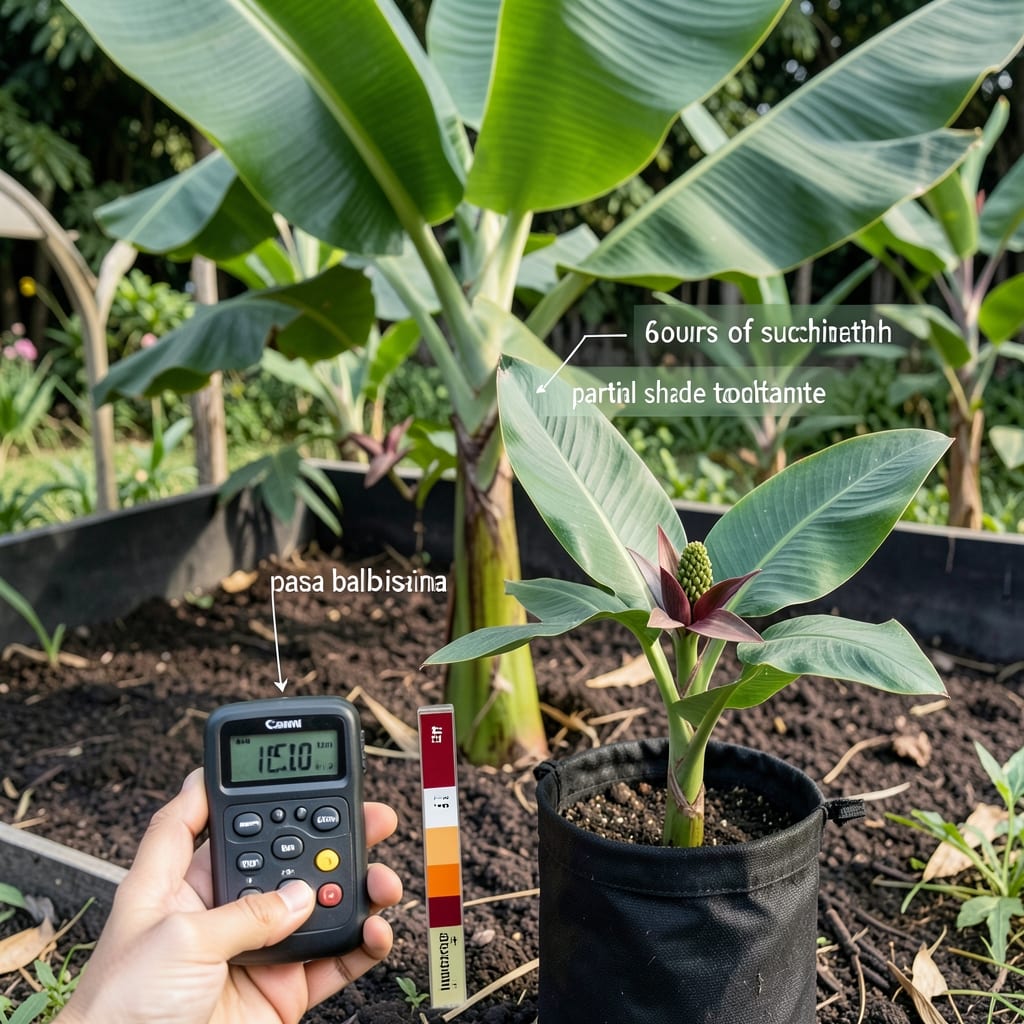
If you're wondering "how much light does a banana plant need", you're not alone—this is the #1 question for gardeners trying to grow a thriving 🍌. Too little sunlight, and your plant will stretch awkwardly toward the sky; too much, and those broad leaves will crisp like overcooked fries. The sweet spot isn't just about hours—it's about intensity, timing, and even your climate.
Banana plants are sun-worshippers, but they're not desert survivors. In tropical zones, they bask in 6-8 hours of direct sunlight daily, while in cooler climates like USDA Zone 6a, partial shade in the hottest afternoon can prevent leaf scorch. The key? Mimicking their natural habitat without letting them fry.
Whether you're growing yours in a sunny balcony planter or a greenhouse, I'll break down exactly how to balance light exposure for each growth stage—from seedlings to fruit-bearing giants. You'll learn how to spot the signs of sunburn or light deprivation, plus smart adjustments to keep your banana plant happy year-round.
Ready to stop guessing and start growing? Let's dive into the exact light requirements that'll turn your banana plant from a struggling underdog into a lush, productive powerhouse—no sunburn in sight.

Ideal daily light requirements for banana plants by growth stage
Banana plants aren't one-size-fits-all when it comes to light—their needs change dramatically as they grow. Seedlings and young plants are the most delicate, while mature plants with fruit can handle more intense sunlight. Understanding these stages will help you avoid common mistakes like sunburned leaves or leggy, weak growth.
In tropical climates (like USDA Zone 10+), banana plants thrive with 6-8 hours of direct sunlight daily. But in cooler zones (like my Zone 6a garden), afternoon shade becomes crucial to prevent leaf scorch. The key is mimicking their natural dappled shade under forest canopies while still getting plenty of bright light.
Here's how to match light exposure to each growth phase for maximum productivity:
| Growth Stage | Daily Sunlight Needs | Intensity | Climate Adaptations |
|---|---|---|---|
| Seedlings (0-6 months) | 4-6 hours | Bright indirect light | Use shade cloth (30-50%) in hot climates |
| Juvenile (6-18 months) | 6-7 hours | Morning sun + afternoon shade | East-facing windows or partial shade |
| Mature (18+ months, no fruit) | 6-8 hours | Full sun with afternoon protection | Prune lower leaves for airflow |
| Fruiting Stage | 7-9 hours | Bright light with filtered afternoon sun | Use 30% shade cloth in peak sun |
For seedlings, I start with bright indirect light—think of it as their "baby phase." If growing indoors, a south-facing window with sheer curtains works perfectly. In my Zone 6a garden, I use a 50% shade cloth during summer afternoons to protect young plants from intense rays that can cause leaf scorch.
When plants reach the juvenile stage (6-18 months), they can handle more direct sunlight but still need protection from harsh afternoon sun. This is where strategic placement matters—east-facing containers or partial shade under taller plants works well. I've seen dramatic improvements in leaf health by moving plants just 10 feet farther from the south wall during peak summer hours.
Mature banana plants without fruit can handle 6-8 hours of full sun, but the real test comes during the fruiting stage. This is when they need the most light—7-9 hours daily—but with afternoon shade protection. I use a 30% shade cloth during the hottest hours (12 PM - 4 PM) to prevent sunburn while still allowing plenty of light for fruit development.
Pro tip: Observe your plant's leaf color. Dark green leaves indicate perfect light, while yellowing or crispy edges mean it's getting too much sun. Conversely, pale, stretched leaves signal insufficient light. Adjust gradually—banana plants hate sudden changes in light exposure.
In tropical climates, banana plants often grow year-round with minimal shade needs. But even there, afternoon protection during the driest months prevents leaf damage. The goal is to replicate their natural habitat where they grow under taller trees that filter harsh midday sun.
🌱 Remember: Banana plants are heavy feeders and need consistent light to produce those energy-rich fruits. If you're growing in containers, rotate them weekly to ensure even light exposure all around the plant.
Ideal daily light requirements for banana plants by growth stage
Banana plants are sun-loving giants, but their light needs change dramatically as they grow. Seedlings crave bright indirect light to avoid scorching, while mature plants thrive under 6-8 hours of direct sun. The key is matching their natural tropical habitat—where they grow under a canopy of taller trees that filter harsh afternoon rays.
In tropical climates (like USDA Zone 10+), banana plants bask in full sun daily, but in cooler zones like Zone 6a, afternoon shade becomes crucial. Even in warm areas, providing morning sun with afternoon shade prevents leaf burn while maintaining vigorous growth.
🌱 Here's the breakdown by growth stage:
| Growth Stage | Daily Sunlight Needs | Intensity | Climate Notes |
|---|---|---|---|
| Seedlings (0-6 months) | 4-6 hours bright indirect light | 50-60% shade cloth | Use east-facing windows or grow lights |
| Vegetative (6-12 months) | 6-8 hours direct sun | Full sun with afternoon shade | Zone 6a: 30% shade cloth 2-4 PM |
| Fruiting (12+ months) | 8+ hours full sun | Direct sun all day (tropical zones) | Zone 6a: 50% shade cloth peak hours |
| Dormant (Winter) | 3-4 hours gentle morning sun | Indirect light only | Move indoors or to protected patio |
For container-grown banana plants, rotate pots weekly to ensure even light exposure—especially if placed near windows. This prevents lopsided growth and ensures all leaves get equal access to sunlight. In greenhouse settings, supplement with 10,000-lux grow lights for 12-14 hours daily during winter months when natural light drops.
🌿 Pro tip: Monitor your plant's leaves—they're the best light requirement barometer. Dark green, upright leaves mean it's happy; yellowing or crispy edges signal light stress. Adjust shade or sun exposure gradually to avoid shocking the plant.
In temperate climates, the summer solstice (June) delivers the most intense sunlight—this is when banana plants need the most afternoon protection. Use lightweight shade cloth (30-50%) to filter UV rays while still allowing photosynthesis. For urban balconies, south or west-facing exposures work best, but avoid reflective surfaces that amplify heat.