
Light Requirements
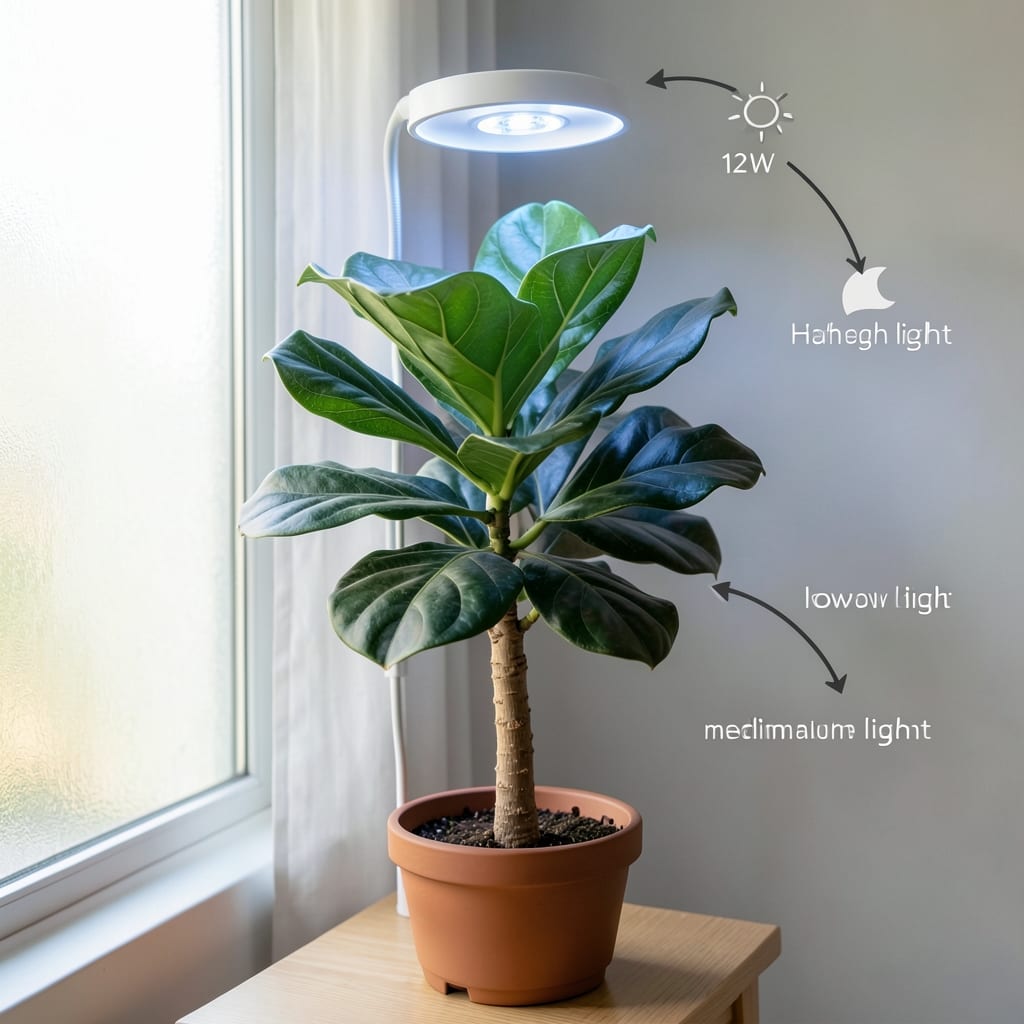
If your 🌿 ficus plant is struggling, you’re probably wondering how much light does a ficus plant need—and where to place it for the best results. The key to keeping your ficus thriving lies in understanding exactly how much light it needs. Ficus plants are known for their adaptability, but they do have preferences. Too little light leaves them weak and leggy, while harsh direct sunlight can scorch their delicate leaves. The ideal spot? Bright, indirect light—think east-facing windows or a few feet back from a south-facing one.
In this guide, I’ll break down the exact light conditions your ficus needs to flourish, from identifying the perfect window placement to troubleshooting common light-related issues. Whether you’re dealing with a Ficus elastica or a Ficus benjamina, these tips will help you create the ideal growing environment.
Ready to transform your ficus from struggling to stunning? Let’s dive into the secrets of light that will have your plant looking its best in no time.


Ficus light requirements: ideal light levels for healthy growth
Ficus plants thrive in bright indirect light, making them perfect for homes with east or north-facing windows. This means they need plenty of natural light but without the harsh, direct rays that can scorch their leaves. Think of it like giving your ficus a sunbath—enough to feel energized, but with a light filter to avoid a sunburn.
The ideal light intensity for a ficus falls between 1,000 to 2,000 foot-candles, which is roughly the light you’d find a few feet away from a window on a bright day. If you’re unsure about your space, a simple light meter app can help you measure the exact conditions in your home.
For Ficus elastica varieties, like the popular rubber plant, bright indirect light is non-negotiable. These plants can tolerate slightly lower light conditions, but they’ll grow more slowly and may develop leggy stems if deprived of adequate light. On the other hand, Ficus benjamina, or weeping fig, is a bit more adaptable and can handle lower light levels, but it still prefers bright, filtered light for optimal health.
If your home lacks natural light, don’t worry—there are ways to supplement it. Artificial grow lights can mimic the ideal conditions, especially in rooms with minimal window access. We’ll cover this in more detail later, but for now, focus on finding the brightest spot in your home that still avoids direct sunlight.
Here’s a quick rule of thumb: If you can read a book comfortably in the same spot as your ficus, it’s likely getting enough light. However, if the leaves start to yellow or stretch toward the window, it’s a sign your plant is reaching for more light.
Now, let’s talk about window placement. East-facing windows are ideal because they provide gentle morning light without the intense afternoon sun. A north-facing window is another great option, especially in warmer climates, as it offers consistent light without overheating. If you only have a south-facing window, place your ficus at least 3-4 feet back from the glass to avoid direct sunlight.
For those with west-facing windows, be cautious—afternoon sun can be harsh. Use sheer curtains to diffuse the light and prevent leaf scorch. If you notice brown patches or crispy edges on the leaves, it’s a clear sign your ficus is getting too much direct sunlight.
Rotating your ficus every few weeks ensures even growth. Plants naturally lean toward their light source, so giving them a quarter turn helps maintain a balanced shape. This is especially important for taller varieties like the Ficus lyrata (fiddle-leaf fig), which can become top-heavy if not cared for properly.
Remember, every home’s light conditions are unique. If your ficus starts to show signs of stress, like yellowing leaves or slow growth, it’s time to reassess its light exposure. Adjusting its position or supplementing with artificial light can make all the difference in reviving your plant.
With the right light, your ficus will reward you with lush, vibrant foliage and a sturdy, healthy structure. It’s all about finding that sweet spot—bright enough to thrive, but gentle enough to avoid damage.
Ficus light requirements: ideal light levels for healthy growth
Ficus plants thrive best in bright indirect light, which mimics their natural understory habitat. This means placing your plant near a window where it receives filtered sunlight—like through sheer curtains—rather than harsh direct rays. The ideal light hours per day range from 4 to 6 hours of gentle, diffused sunlight. If you notice your ficus stretching toward the light or developing pale leaves, it’s likely craving more brightness.
For indoor setups, east-facing windows are perfect because they provide morning sun, which is less intense than afternoon rays. North-facing windows also work well, especially in climates with cooler temperatures. Avoid south- or west-facing windows unless you use a sheer curtain to filter the light—direct afternoon sun can cause leaf scorch and browning tips, which are common signs of too much light.
If you’re unsure about your space, think of the light intensity scale: Ficus plants prefer a spot that’s bright enough to read a book comfortably but not so intense that it casts sharp shadows. A 2-3 feet distance from an east or north window typically provides the ideal balance. For deeper rooms, consider rotating your plant every few weeks to ensure even growth on all sides.
Different ficus varieties have slight variations in their light needs. For example, Ficus elastica (like the popular rubber plant) tolerates slightly lower light conditions than Ficus benjamina, which prefers brighter environments. If you’re growing a Ficus lyrata (fiddle-leaf fig), aim for the brightest indirect light spot you can offer—these plants are more sensitive to low light and may drop leaves if conditions aren’t ideal.
Outdoor ficus plants, like those grown in containers on patios or balconies, need protection from midday sun, especially during summer months. Use a lightweight shade cloth (30-50% coverage) if your outdoor space gets intense sunlight. Even a few hours of direct sun can stress the plant, leading to sunburn and reduced growth. Always acclimate outdoor ficus plants gradually to new light conditions to avoid shock.
Pro tip: If your home lacks natural light, supplement with a full-spectrum LED grow light placed 12-18 inches above the plant for 12-14 hours a day. This mimics natural daylight cycles and keeps your ficus thriving year-round, especially in winter when daylight hours are shorter. Consistency in light exposure is key—avoid moving your plant frequently, as this can confuse its natural rhythm and lead to stress.