Plants
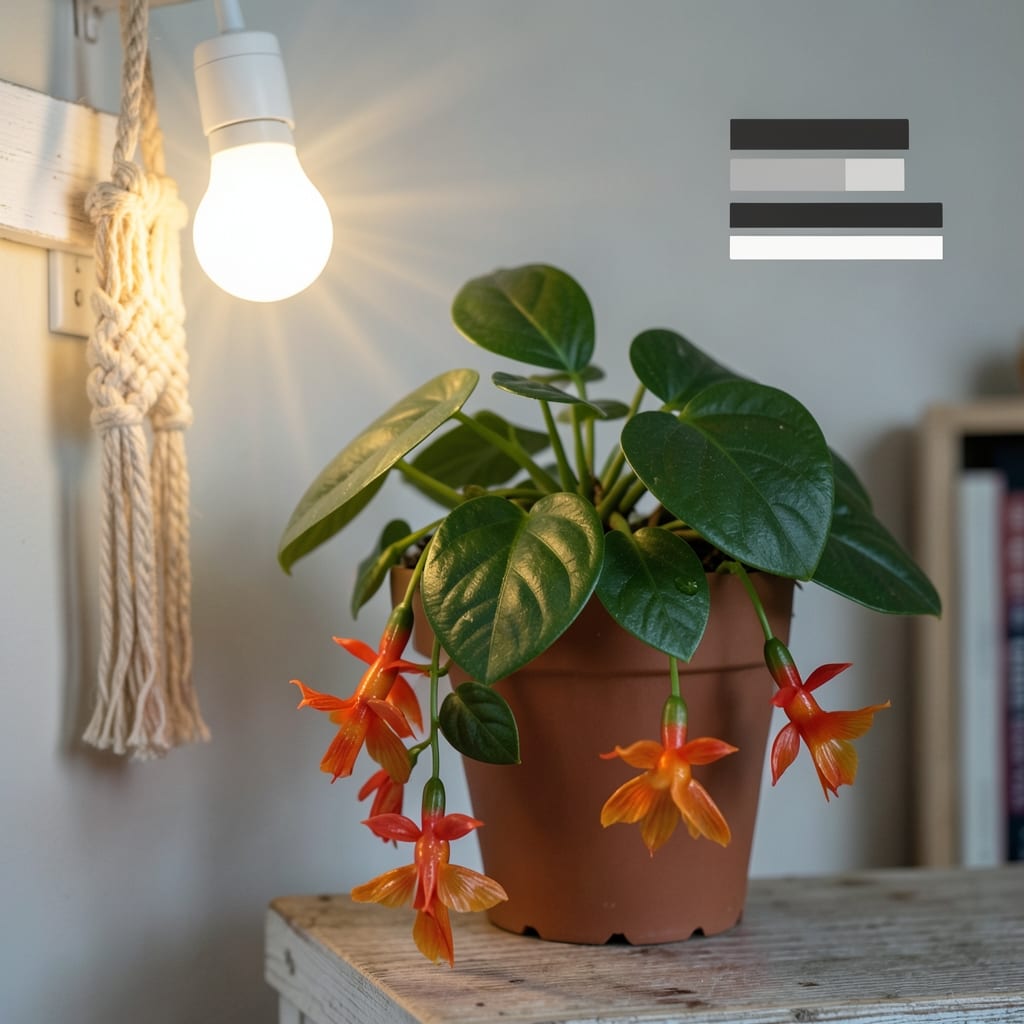
If you’re wondering how much light does a goldfish plant need, the answer is simpler than you might think—and getting it right can make all the difference in preserving its stunning variegated patterns. If your Goldfish Plant 🐟 is losing its signature gold-and-green leaves or stretching toward the light, you’re probably getting the lighting wrong—and it’s easier to fix than you think. The right balance of light keeps those vibrant colors vivid while preventing common issues like leaf burn or leggy growth.
Most home gardeners assume bright light means direct sun, but Goldfish Plants actually thrive in bright indirect light, like an east-facing window where they get morning sunlight without harsh afternoon rays. This delicate balance is the key to maintaining their striking foliage without risking damage.
I’ll walk you through exactly how much light your Goldfish Plant needs—whether you’re dealing with a dim office corner or a sunroom with too much intensity. You’ll learn how to spot signs of over- or underlighting and adjust your setup in just 3 simple steps.
Ready to transform your plant’s appearance? Let’s dive into the ideal light conditions and practical tips to keep your Goldfish Plant looking its best year-round.

Goldfish plant light requirements: finding the perfect balance for vibrant foliage
Your Goldfish Plant (Nematanthus gregarius) thrives on bright indirect light, which is why it’s often called the "goldfish" plant—its leaves resemble the shimmering scales of a fish when properly lit. Without enough light, those stunning gold-and-green variegated patterns fade to dull green, and the plant stretches awkwardly toward any available light source. This etiolation (or "legginess") is a classic sign your plant isn’t getting the right conditions.
The key is mimicking its natural habitat in tropical forests, where dappled sunlight filters through the canopy. Too much direct sun causes leaf burn (brown, crispy edges), while too little light leads to weak, pale growth. The ideal spot balances these extremes—think of an east-facing window where morning sun is gentle, or a west-facing window with a sheer curtain to diffuse afternoon rays.
Here’s the breakdown: Goldfish Plants need 4-6 hours of bright indirect light daily. If your home lacks natural light, don’t worry—we’ll cover supplemental lighting solutions later. For now, focus on these three critical light factors: intensity, duration, and quality. Each plays a role in keeping your plant’s foliage vibrant and compact.
🌱
Light isn’t just about quantity—it’s about quality. The color temperature of light matters too. Goldfish Plants respond best to natural daylight spectrums (around 5000-6500K), which is why fluorescent or LED full-spectrum grow lights work well in low-light situations. Avoid incandescent bulbs, which emit too much heat and distort the plant’s growth patterns.
If you notice your Goldfish Plant’s leaves losing their gold variegation, it’s a clear sign of light deprivation. The plant prioritizes survival over aesthetics, reverting to solid green to maximize photosynthesis. To fix this, rotate your plant quarter-turns weekly so all sides get even light exposure. This prevents lopsided growth and ensures those showstopping patterns stay vibrant.
For outdoor gardeners, Goldfish Plants can thrive in partial shade gardens (think under trees or on porch railings). Just avoid hot afternoon sun, which can scorch the delicate leaves. In containers, use a light-colored pot to reflect extra light onto the foliage, especially in shady spots.
Pro tip: Test your light setup with the "shadow test". Hold your hand between the plant and light source—if you see a clear shadow, the light is too direct. Adjust until the shadow is faint but still visible. This simple trick helps you dial in the perfect balance without guesswork.
✂️
How to adjust light for Goldfish Plants in different home environments
Not all homes offer the same lighting conditions, and Goldfish Plants are particularly sensitive to light inconsistencies. If your plant is in a dim office corner or a sunroom with intense afternoon rays, you’ll need targeted adjustments. The key is creating a consistent light environment—whether through window placement, supplemental lighting, or seasonal tweaks. Let’s break down how to optimize light for three common scenarios: low-light offices, bright sunrooms, and north-facing windows.
First, assess your space with the ”2-foot rule”. Stand 2 feet away from your Goldfish Plant’s current spot and observe the light quality. If the area feels dimmer than a cloudy day outside, you’re dealing with low light. If the air feels warm and the light casts harsh shadows, you’ve got too much direct sun. Adjusting your plant’s position—or supplementing with artificial light—can make all the difference in preserving those gold-and-green patterns.
🌱
⚠️ Warning: Common Light Mistakes
❌ Placing near a south-facing window without a sheer curtain can cause leaf burn within weeks. The intense midday sun (12 PM–3 PM) is too harsh for Goldfish Plants.
❌ Ignoring seasonal light changes—winter daylight drops by 30% in northern climates, causing leggy growth if you don’t adjust lighting.
❌ Using incandescent bulbs for grow lights. They emit too much heat and distort growth, leading to stunted, weak stems.
For low-light offices, start by moving your Goldfish Plant to the brightest window available, even if it’s north-facing. If that’s not an option, invest in a LED grow light with a 5000K–6500K color temperature. Place it 10–12 inches above the plant and run it for 12–14 hours daily. A smart grow light on a timer automates this process—just set it to mimic natural daylight cycles. Pro tip: Rotate your plant quarter-turns weekly to prevent uneven growth toward the light source.
In sunrooms or south-facing windows, Goldfish Plants need protection from afternoon sun (1 PM–4 PM). Use a sheer white curtain to diffuse light while still allowing brightness. If your sunroom gets hotter than 85°F, consider moving the plant to a shadier corner or adding a 50% shade cloth outdoors during peak heat. Outdoor gardeners should also avoid placing Goldfish Plants in full sun—even a few hours of direct exposure can cause leaf scorch.
North-facing windows present a unique challenge because they offer cool, indirect light but often lack intensity. Test your window’s light strength by holding a white piece of paper near the plant. If the paper looks dim or grayish, supplement with a compact fluorescent grow bulb (like a Philips TLD 36W). Position it 6–8 inches away and use it for 8–10 hours daily. For extra vibrancy, pair this with a reflective surface, like a mirror or white wall, to bounce light onto the plant.
Seasonal adjustments are critical—especially in winter, when daylight drops by up to 50% in northern latitudes. Move your Goldfish Plant closer to a window (within 2 feet) and increase grow light hours to 14–16 hours/day if needed. In summer, watch for longer daylight hours and adjust by moving the plant further from the window or adding a light filter to prevent overheating. A simple DIY light meter (like a lux meter app on your phone) helps track changes—aim for 10,000–15,000 lux of indirect light.
💡