
Light Requirements
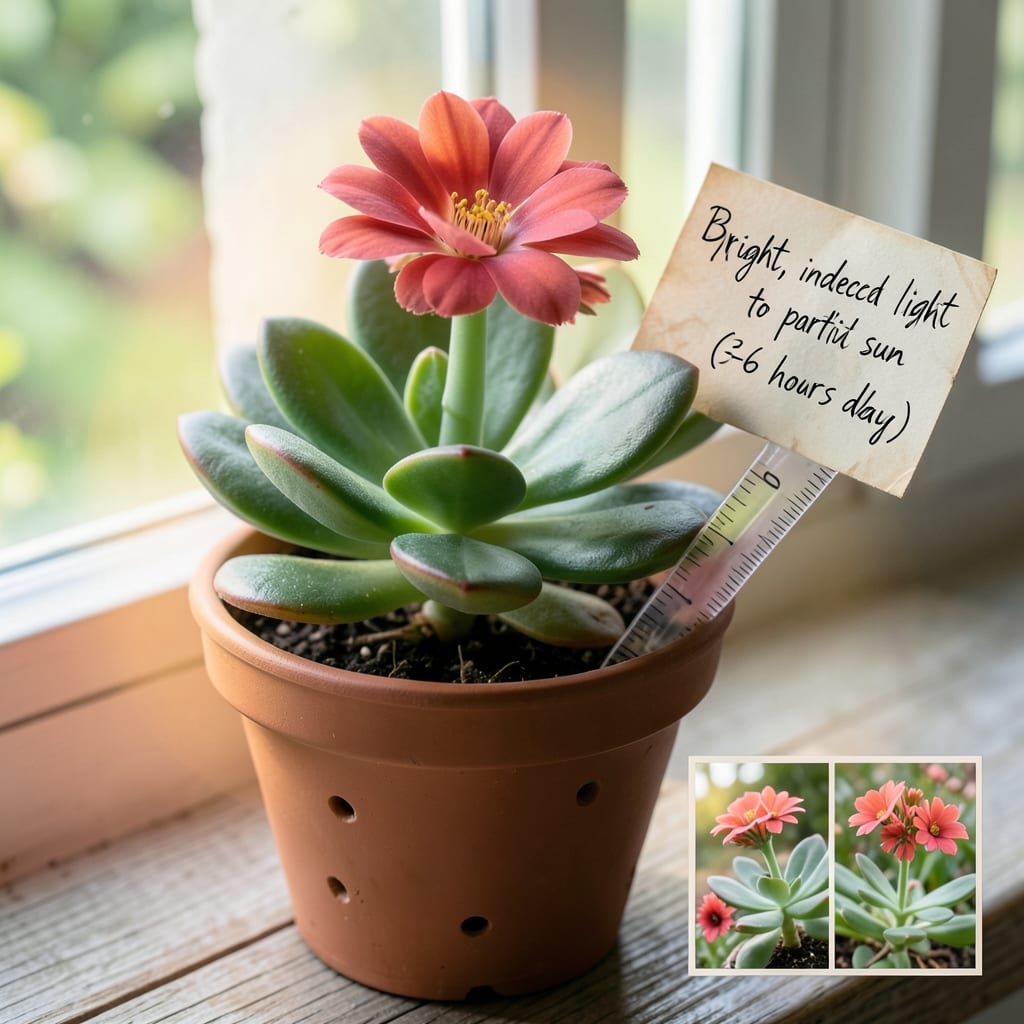
If you’re wondering how much light does a Kalanchoe plant need, the answer might be simpler than you think—it’s all about getting the balance right. This hardy succulent thrives with bright indirect sunlight, but too little leaves it leggy, while too much can scorch its leaves.
Most people overlook how much light their Kalanchoe actually needs, assuming it’s low-maintenance. The truth? It’s a sun-worshipper that needs 4 to 6 hours of bright light daily to bloom beautifully. Whether you’re growing it indoors or outdoors, getting this balance right makes all the difference.
Let’s break down exactly how to meet your Kalanchoe’s light cravings—from picking the perfect spot to spotting signs of light stress. You’ll learn how to adjust for seasonal changes and even use artificial lighting if natural light falls short.
By the end, your Kalanchoe won’t just survive—it’ll reward you with vibrant flowers and lush foliage year-round. Ready to transform your plant’s future? Let’s dive in.

Optimal light requirements for Kalanchoe blooms: bright indirect sunlight explained
Your Kalanchoe plant thrives on bright indirect sunlight, but getting the balance right can be tricky. Too little light leads to weak, leggy growth, while too much causes leaf burn. The ideal spot delivers 4 to 6 hours of filtered light daily—think of it as a sunbathing session without the harsh rays.
Indoors, place your Kalanchoe near a south-facing window, where it can enjoy morning sun and gentle afternoon light. If your home lacks natural light, don’t worry—we’ll cover artificial lighting solutions later. The key is mimicking its natural habitat in arid regions, where sunlight is intense but often indirect.
Outdoors, morning sun is perfect, but protect your plant from harsh afternoon rays, especially in summer. A partially shaded patio or balcony works well, especially in USDA Zone 6 or warmer climates. Even a few hours of direct sun can be too much, so observe your plant’s reaction and adjust.
Here’s a quick breakdown of what your Kalanchoe needs to bloom beautifully:
| Light Requirement | Specification |
|---|---|
| Daily Light Duration | 4 to 6 hours |
| Light Type | Bright indirect sunlight |
| Best Window Placement | South-facing window |
| Outdoor Light Tolerance | Morning sun only; avoid afternoon heat |
| Indoor Light Adjustments | Rotate plant weekly for even growth |
Seasonal changes also affect your Kalanchoe’s light needs. In winter months, when daylight is shorter, supplement with a grow light if you notice the leaves stretching toward the window—a sign of light deprivation. Conversely, in summer, reduce direct sun exposure to prevent leaf scorch, especially if your plant is outdoors.
One common mistake is assuming all sunlight is equal. Morning sunlight is gentler and ideal, while afternoon sun can be too intense. If you’re unsure, start with indirect light and gradually increase exposure over a week to let your plant adjust. This slow acclimation prevents shock and stress.
Pro tip: Rotate your Kalanchoe quarterly to ensure even light exposure on all sides. This prevents lopsided growth and keeps the plant compact and bushy. A well-lit Kalanchoe will reward you with vibrant blooms and thick, healthy leaves—proof you’ve nailed the light balance.
If your Kalanchoe starts showing signs of stress—like yellowing leaves or drooping—it’s often a light-related issue. We’ll dive deeper into these warning signs in the next section, so you can quickly diagnose and fix any problems before they worsen.
Remember, the goal is to mimic the natural light conditions of its habitat. With the right balance, your Kalanchoe will thrive and bloom like a pro!
Signs your Kalanchoe isn’t getting enough (or too much) light
Your Kalanchoe plant speaks volumes through its leaves and stems—pay attention to these subtle clues. If your plant is stretching toward the light or developing long, spindly stems, it’s begging for more bright indirect sunlight. This condition, called etiolation, happens when your Kalanchoe isn’t getting enough light to fuel photosynthesis, causing it to grow weak and leggy in search of sunlight.
Another red flag is pale or yellowing leaves. When your Kalanchoe isn’t getting enough light, its leaves lose their vibrant color and may even develop a washed-out appearance. This is your plant’s way of saying, “I need more energy!” Without sufficient light, your Kalanchoe can’t produce enough chlorophyll, leading to this dullness.
On the flip side, if your plant’s leaves start looking crispy or brown along the edges, it’s a sign of too much direct sunlight. This is often called sunburn, and it’s a clear indication that your Kalanchoe is getting more light than it can handle. Unlike some succulents, Kalanchoes are sensitive to intense afternoon sun, which can scorch their leaves quickly.
Here’s how to diagnose and fix these issues quickly. If your Kalanchoe is stretching, move it to a brighter spot or supplement with a grow light. If the leaves are burning, provide afternoon shade or move it further from the window. Observe your plant for a week after adjusting its light exposure—you should see improvements within 7 to 10 days.
One common mistake is assuming all windows provide the same light quality. A north-facing window offers gentle, diffused light, while a south-facing window delivers intense rays. If your Kalanchoe is near a north-facing window and looking weak, it’s time to relocate it. Use a light meter or simply watch your plant’s reaction to gauge if the light is sufficient.
Pro tip: Rotate your Kalanchoe every few weeks to ensure all sides get equal light exposure. This prevents uneven growth and helps you spot early signs of light stress. A healthy Kalanchoe should have compact, bushy growth with deep green leaves and vibrant blooms. If you’re seeing anything different, it’s time to reassess its light conditions.
Remember, your Kalanchoe’s health is a direct reflection of its light environment. By tuning into these visual cues, you’ll keep your plant thriving and blooming beautifully—no guesswork required!