Light Requirements
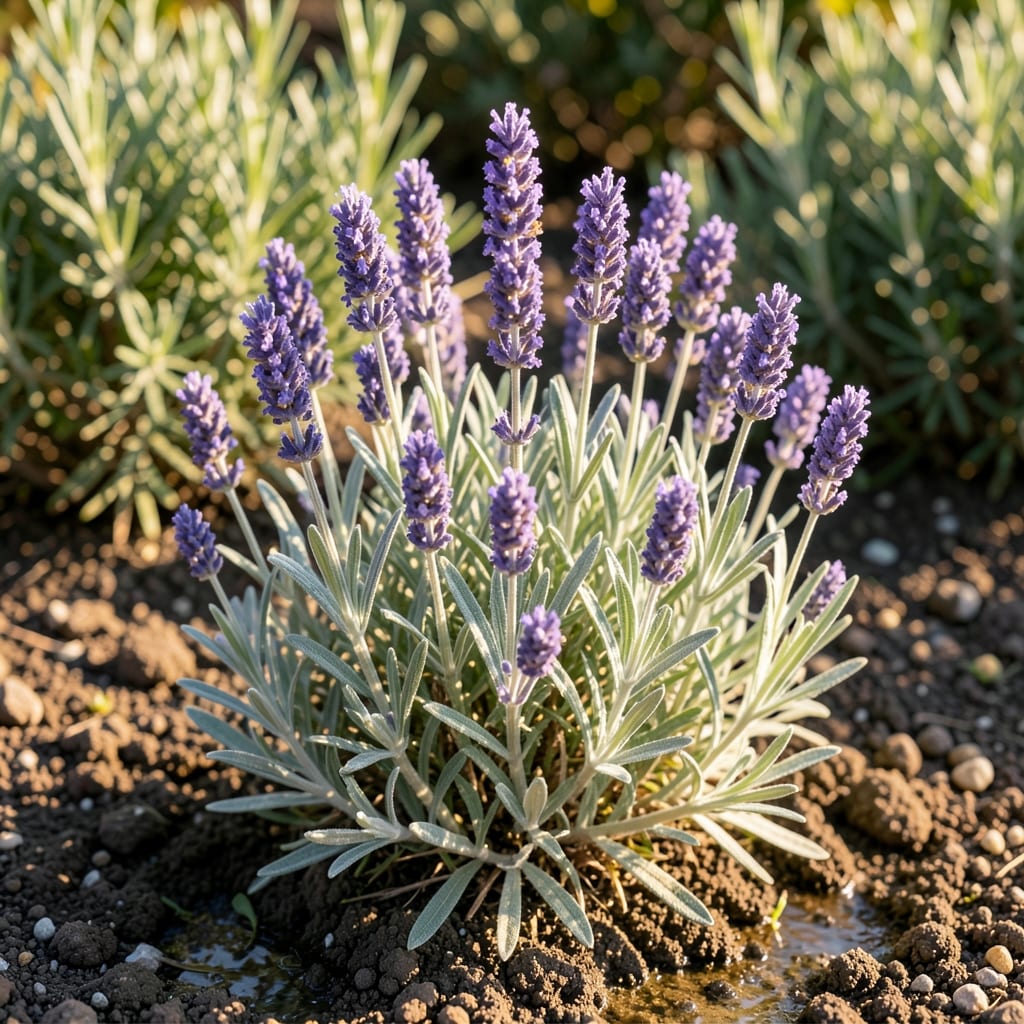
If your 🌿 lavender plant looks sad and leggy instead of lush and fragrant, it might be starving for how much light does a lavender plant need to thrive. Lavender isn’t just picky—it’s downright demanding about sunlight, and getting this wrong can mean the difference between a thriving bush and a struggling one.
Most gardeners assume lavender just needs "lots of sun," but the truth is more precise: 6+ hours of direct sunlight daily is non-negotiable for this hardy herb. Too little light, and you’ll end up with weak stems and sparse blooms. Too much? That can scorch the leaves in some climates. The key is finding that sweet spot where lavender gets enough light to stay vibrant without getting stressed.
I’ve seen firsthand how a little extra attention to light can transform a struggling lavender plant into a fragrant, flowering powerhouse. Whether you’re dealing with partial shade in your yard or trying to grow lavender in containers, there are smart ways to give your plants the light they crave—without moving mountains. Let’s break down exactly what your lavender needs and how to meet those needs, no matter where you garden.
From choosing the perfect spot in your garden to adjusting for seasonal sunlight changes, you’ll learn the secrets to keeping your lavender happy, healthy, and ready to bloom. Ready to give your plants the light they deserve?

Ideal sunlight requirements for lavender plants: full sun vs. partial shade
Lavender plants are sun worshippers—they demand at least 6 to 8 hours of direct sunlight daily to thrive. Without enough light, your lavender will grow leggy, produce fewer blooms, and lose that signature fragrance. In my experience, lavender in full sun grows 30-50% more robustly than in partial shade, with stronger stems and more intense purple blooms.
Full sun means 6+ hours of unfiltered sunlight, typically from mid-morning to late afternoon. South-facing windows or open garden beds are ideal. If you're in a region with intense summer heat, morning sun with afternoon shade can prevent leaf scorch while still meeting lavender's needs.
For partial shade, aim for 3 to 5 hours of sunlight daily, but expect weaker growth and fewer flowers. This works best for dwarf lavender varieties like 'Hidcote' or 'Munstead', which tolerate shade better than standard types. Even in partial shade, place lavender near reflective surfaces like white walls or light-colored gravel to maximize indirect light.
Seasonal adjustments matter too. In winter, lavender may need slightly more protection from harsh winds, but never reduce sunlight below 4 hours—this triggers dormancy and weakens the plant. Use lightweight row covers if needed, but remove them during sunny days.
| Sunlight Requirement | Daily Hours | Ideal Conditions | Growth Impact |
|---|---|---|---|
| Full Sun | 6-8+ hours | South-facing, unobstructed | Optimal blooms, strong fragrance, compact growth |
| Partial Shade | 3-5 hours | East/west exposure, dappled light | Leggy growth, fewer blooms, weaker fragrance |
| Low Light | <2 hours | North-facing, deep shade | Stunted, no blooms, risk of disease |
🌱 Pro Tip: Use a light meter to check intensity—lavender needs 10,000+ lux for full sun.
If you're growing lavender in containers, prioritize south or west-facing spots on patios or balconies. Terracotta pots absorb heat, which helps simulate full sun conditions. For ground-planted lavender, avoid areas under tall trees or structures that cast long shadows during peak sunlight hours (10 AM–4 PM).
In USDA Zones 7-9, lavender can handle the intense midday sun, but in cooler zones (5-6), morning sun with afternoon shade prevents winter stress. Test your spot by observing how quickly a white sheet dries in sunlight—if it's bone dry in 2 hours, it’s full sun.
One common mistake? Assuming "sunny" means enough light. East-facing windows may not provide full sun—lavender there will stretch toward the light, becoming weak. For indoor lavender, supplement with a grow light 12 inches away for 14 hours daily to mimic outdoor conditions.
Remember, lavender’s fragrance and color intensity are directly tied to sunlight. The more sun it gets, the more potent the scent and the brighter the blooms. If your lavender looks sad, it’s likely begging for more light—don’t ignore those hints!
Signs your lavender isn’t getting enough (or too much) light
If your lavender plant looks leggy and stretched, it’s likely starving for sunlight. Leggy growth happens when lavender stretches toward light sources, creating weak, spindly stems that flop over. I’ve seen this happen with lavender in north-facing gardens or under dense tree canopies—the plants look like they’re reaching for help!
Another red flag is sparse or no blooms. Lavender needs strong sunlight to produce those iconic purple flowers. When light is insufficient, the plant focuses on survival rather than flowering. Even if you see a few blooms, they’ll be smaller and less fragrant than lavender in full sun.
Yellowing leaves can also signal light issues, though overwatering often causes this too. Look for leaves turning pale or yellowish-green, especially on the lower stems. This is your lavender’s way of saying, “I need more energy from sunlight!” If the yellowing is paired with weak stems, light deficiency is almost always the culprit.
On the flip side, too much direct sunlight can cause leaf scorch, where edges turn crispy and brown. This often happens in hot, dry climates or when lavender is suddenly moved from shade to full sun. In extreme cases, the plant may wilt midday but recover in the evening—a clear sign it’s struggling with heat stress.
🌱 Light Deficiency vs. Excess: Quick Diagnosis
❌ Too Little Light
- Leggy stems reaching upward
- Few or no blooms
- Pale yellow-green leaves
- Weak, floppy growth
⚠️ Too Much Light
- Brown, crispy leaf edges (scorch)
- Wilting midday but recovers
- Bleached or sun-bleached spots
- Stunted growth despite full sun
💡 Fix It: Move lavender to morning sun + afternoon shade or use lightweight shade cloth in peak hours.
One trick I use is the “shadow test”—place a ruler in the garden at noon and measure the shadow length. If shadows are longer than the ruler itself, you’re likely in partial shade. For lavender, aim for shadows shorter than the plant’s height during peak sun hours.
If your lavender is struggling, don’t panic! Prune leggy stems back by ⅓ to encourage bushier growth, then relocate the plant to a sunnier spot. For indoor lavender, rotate the pot quarter-turns weekly to prevent uneven light exposure. With the right adjustments, your lavender can bounce back and bloom beautifully.
Remember, lavender is tough—it can handle hot, dry conditions once established, but it won’t tolerate poor light. Pay attention to these signs, and your lavender will reward you with fragrant, vibrant blooms all season long!