
Companion Plants
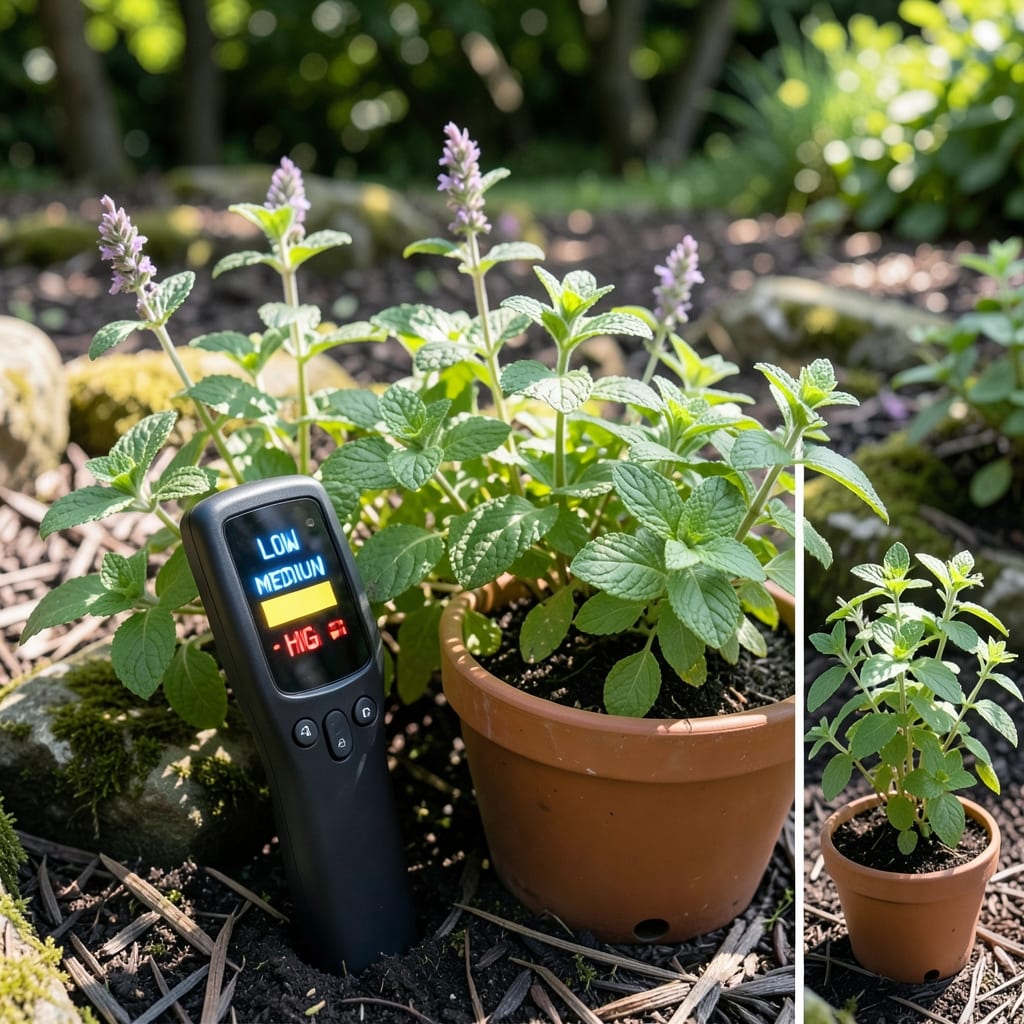
If you’re wondering how much light does a mint plant need to thrive, the answer might be simpler than you think—light exposure is the unsung hero of healthy growth, yet many gardeners get it wrong by overcomplicating it.
Mint doesn’t demand the brightest spot in your garden; in fact, too much direct sun can turn its leaves yellow or make it grow leggy. The ideal balance is partial shade—just 4 to 6 hours of gentle sunlight daily—and it’s surprisingly adaptable once you know the tricks.
Whether you’re growing mint in pots on a windowsill or tucked into a shady garden bed, I’ll show you how to spot the signs of poor lighting and adjust care to keep your plant lush, flavorful, and ready for harvest.
From indoor hacks to outdoor placement tips, let’s make sure your mint gets exactly what it needs—no guesswork required.

Ideal light requirements for mint plants: partial sun to full shade explained
Mint thrives in partial shade, making it one of the most adaptable herbs for gardeners with limited sunlight. Unlike sun-loving plants, mint prefers 4 to 6 hours of indirect light daily, with gentle morning sun being ideal. This balance prevents leaf scorch while ensuring robust growth.
The key is avoiding intense afternoon sun, which can cause the leaves to yellow or crisp. Think of mint’s light needs like a coffee lover’s perfect brew—too much sun is overpowering, but too little leaves it weak and flavorless.
For outdoor gardens, place mint where it gets dappled sunlight, such as under taller plants or near a north-facing wall. In containers on patios, a spot with morning sun and afternoon shade works perfectly. Even full shade is tolerable, though growth may slow and flavor intensify.
Seasonal adjustments matter too. During summer’s peak heat, mint appreciates extra shade, especially in hot climates. In spring and fall, it can handle slightly more direct light as temperatures moderate.
Indoor growers should prioritize an east-facing window for the gentlest light. If your space only offers south or west-facing windows, use a sheer curtain to diffuse harsh rays. For low-light apartments, a grow light on a timer (12-14 hours/day) can mimic natural conditions.
Mint’s light needs also affect its flavor profile. Plants in partial shade develop a milder, sweeter taste, while those in full shade become more intensely aromatic. This is why many chefs prefer shade-grown mint for cocktails and desserts.
If you’re growing mint in containers or raised beds, ensure the soil stays consistently moist—dry conditions stress plants, especially in low-light situations. A mulch layer helps retain moisture while protecting roots from temperature swings.
Pro tip: Rotate your mint pot quarter-turns weekly to ensure even light exposure. This prevents lopsided growth and keeps the plant bushy. For outdoor garden beds, interplant mint with taller herbs like rosemary or thyme to create natural shade.
Remember, mint is a spreading herb, so even if light conditions are perfect, contain its roots with container boundaries or buried pots to prevent it from taking over your garden.
Signs your mint plant isn’t getting the right light (and how to fix it)
Your mint plant might be silently screaming for help if it’s not getting the right light. One of the first warning signs is yellowing leaves, especially on older foliage. This often means too much direct sun is causing leaf burn, while pale, stretched-out leaves signal under-exposure and leggy growth.
Another red flag is weak stems that flop over instead of staying upright. This happens when mint doesn’t get enough light to develop strong cell structure. Even the flavor of your mint can suffer—overly bright light makes it taste bitter, while low light dulls its signature aroma.
If you notice brown edges on leaves, it’s a clear sign of sun scald. This is common when mint gets afternoon sun, which is far more intense than morning light. Meanwhile, slow growth or sparse foliage usually means your plant is struggling to photosynthesize efficiently.
Too much sun = yellow/brown leaves, leaf burn, bitter flavor
Too little light = pale leaves, leggy stems, weak aroma
Fixing these issues starts with relocating your plant. Move it to a spot with gentler morning sun and afternoon shade. For indoor plants, rotate the pot weekly to ensure even light exposure. If you’re in a low-light apartment, supplement with a grow light for 12-14 hours daily.
For outdoor gardens, provide shade using a cloth shade cloth (30-50% shade) during peak afternoon hours. If your mint is in a container, ensure it’s placed where taller plants or structures can cast natural shade. Avoid placing it near south or west-facing walls, which reflect intense heat.
Pro tip: Trim back overly leggy stems to encourage bushier growth. This redirects energy to new, healthier foliage while you adjust the light conditions. With the right placement, your mint will bounce back within 2-4 weeks, regaining its vibrant green color and rich aroma.
Remember, mint is resilient, but it communicates its needs through its leaves. Pay attention to these visual cues, and you’ll keep your plant thriving—no guesswork required!