
Plants
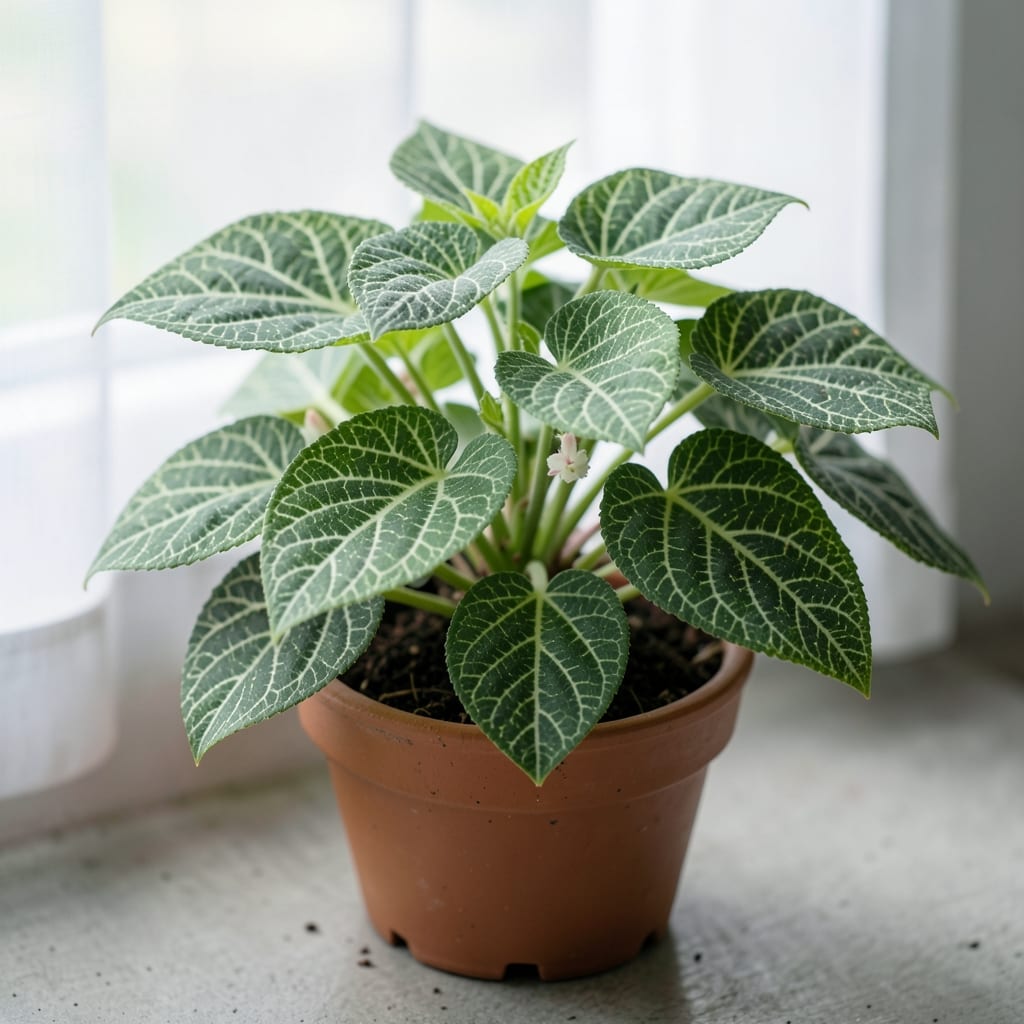
If you’re wondering how much light does a nerve plant need to keep its stunning variegation vibrant, the answer lies in recreating its ideal tropical understory conditions—bright but indirect. That’s the secret to preventing pale, stretched leaves or faded patterns. Too much direct sunlight? Your Nerve Plant will scorch, turning those delicate leaves yellow and crispy. Too little light? The variegation fades, leaving you with a sad, pale shadow of its former self. The key is finding that sweet spot of bright indirect light, which mimics its natural habitat in dappled forest light.
Don’t worry—this isn’t about complex light meters or scientific jargon. I’ll break down the simplest ways to position your plant, whether you’re working with a sunny window or need to supplement with grow lights. You’ll also learn how to spot the telltale signs of light stress before it’s too late.
By the end, you’ll know exactly where to place your Nerve Plant for maximum variegation and health, plus how to adjust care based on your home’s lighting. Let’s get those leaves looking their absolute best!


Optimal light requirements for nerve plant variegation: the science behind perfect growth
The nerve plant (Fittonia albivenis) thrives on bright indirect light, mimicking its natural habitat under forest canopies. This delicate balance ensures its signature variegated veins stay vibrant while preventing leaf burn. Insufficient light causes the patterns to fade, while too much direct sun leads to crispy, yellowed edges—a common mistake I see with new plant parents.
Think of it like a tropical understory: dappled sunlight filters through leaves above, creating the perfect intensity. Your goal is to replicate this with 4-6 hours of filtered light daily. North or east-facing windows work best, while south-facing windows may require a sheer curtain to diffuse harsh rays.
Here’s the science: variegated leaves contain less chlorophyll than green leaves, making them more sensitive to intense light. Without proper filtering, the white or pink veins can scorch, ruining the plant’s striking appearance. Even artificial grow lights need to be positioned 12-18 inches away to avoid over-exposure.
For precision, consider a $20 light meter (like the Apogee SQ-400) to measure light intensity in foot-candles. Ideal levels for nerve plants range between 500-1,000 foot-candles—about the brightness of a well-lit office. If your meter reads higher, move the plant farther from the window or add a sheer curtain.
If your nerve plant starts developing yellow patches or brown edges, it’s a cry for help—move it immediately to a shadier spot. Conversely, if the leaves stretch toward the light (etiolation), it’s begging for more brightness. Rotate the pot quarter-turn weekly to ensure even growth and prevent lopsided exposure.
Pro tip: Group your nerve plant with hostas or ferns, which share similar light preferences. This creates a microclimate of moderate humidity (40-60%) and indirect light, perfect for both plants. Just avoid placing it near drafty windows or air conditioning vents, which can stress the delicate foliage.
Remember, the goal is to preserve that variegation. With the right light, your nerve plant won’t just survive—it’ll become the showstopper of your collection. And trust me, once you see those veins pop in full color, you’ll never want to go back to guesswork.
Signs your nerve plant isn't getting enough (or too much) light
Your nerve plant communicates its light needs through subtle (and not-so-subtle) visual cues. Watch for faded variegation—when those striking white or pink veins turn pale and barely visible, it’s a clear sign of low light stress. This happens because the plant prioritizes chlorophyll production over variegation when light is scarce, dulling its signature patterns. Don’t ignore this; without intervention, the leaves may stretch upward in a desperate bid for more light (etiolation), creating weak, leggy stems that flop over.
On the opposite end, too much direct sunlight triggers a different set of alarms. Start with yellowing leaf edges or crispy brown patches—these are classic signs of sunburn. The delicate veins may also bleach out, losing their vibrant contrast against the green. In extreme cases, the leaves develop brown, papery spots that eventually die off entirely. If you notice these symptoms, act fast by moving your plant to a shadier spot immediately.
🚨 Light Stress Quick Fixes
Pale/Stretched Leaves? Move to brighter indirect light (e.g., east-facing window) or add a grow light 12-18" away. Rotate the pot weekly for even growth.
Brown/Crispy Edges? Relocate to filtered light (sheer curtain) or north-facing window. Avoid afternoon sun.
Here’s a pro tip: check the underside of leaves for color changes. Healthy nerve plants have even variegation on both sides, while light-stressed plants develop darker green undersides as they sacrifice aesthetics for survival. This is your plant’s way of saying, “I’m struggling—help me find the balance!”
Seasonal changes also affect light needs. In winter, when natural light dims, supplement with a 10-12 hour grow light cycle to maintain variegation. Conversely, in summer, watch for harsh afternoon sun—even a few extra hours of direct light can cause damage. A simple white sheer curtain can diffuse intensity without sacrificing brightness.
Don’t wait until your nerve plant’s variegation fades completely before acting. The moment you notice dull veins or stretched growth, adjust its position. Remember, these plants thrive on consistency—whether it’s the gentle glow of an east-facing window or the steady hum of a grow light, they’ll reward you with bold, vibrant foliage that’s the envy of every plant lover.
If you’re still unsure, snap a photo of your plant’s leaves and compare it to the variegation chart in Section 1. The differences will be obvious—and motivating to make the right adjustments! 🌿