
Light Requirements
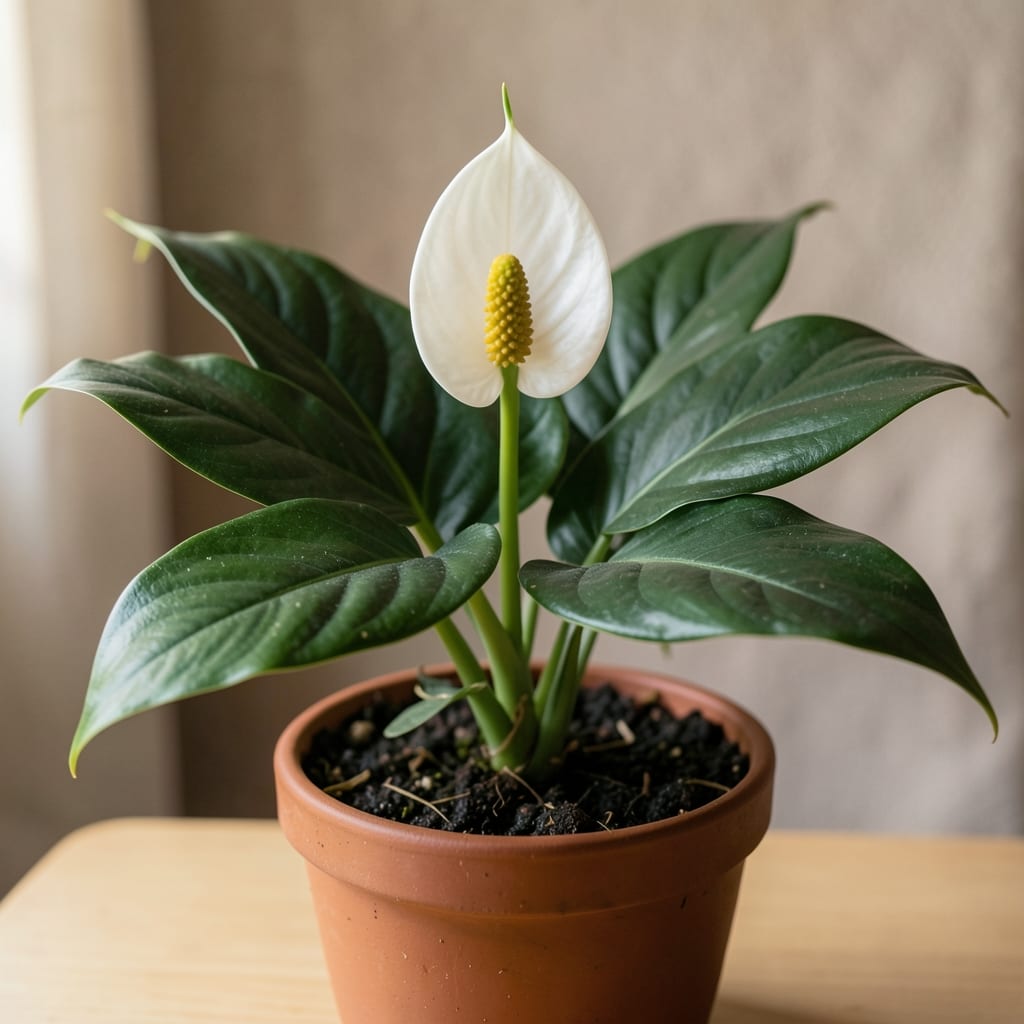
Wondering how much light does a peace lily plant need to stay happy and healthy? You’re not alone—this elegant 🌿 is one of the most popular houseplants for a reason, but even it can struggle if you get the lighting wrong.
Here’s the truth: peace lilies thrive in low to bright indirect light, making them perfect for bathrooms, offices, or that cozy corner where sunlight barely reaches. Too much direct sun? Watch those leaves scorch. Too little? You’ll spot drooping or yellowing as clear warning signs. The key is finding that sweet spot where your plant gets just enough light to flourish without stress.
In this guide, I’ll break down exactly how to give your peace lily the ideal light conditions—whether you’re dealing with fluorescent office bulbs or a dim bedroom. You’ll also learn how to spot when your plant is begging for more (or less) light, so you can keep those gorgeous leaves lush and vibrant all year.
Ready to unlock the secrets to lush, low-light growth? Let’s dive in and turn your peace lily into the thriving centerpiece it was meant to be.


Peace lily light requirements: the ideal balance for healthy growth
Peace lilies (Spathiphyllum) are masters of adaptability, thriving in conditions where many plants would struggle. Their ideal light range falls between low to bright indirect light, making them perfect for homes with minimal natural sunlight. Think of them as the chameleons of the houseplant world—they can handle fluorescent office lighting, north-facing windows, or even the dim glow of a bathroom.
But here’s the catch: push them into direct sunlight, and you’ll see crispy brown edges on those beautiful leaves. Place them in a dark closet, and they’ll droop like a sad balloon. The magic happens when they get 2-4 hours of bright, filtered light daily—think dappled sunlight through sheer curtains or the soft glow of a well-placed LED bulb.
Why does this matter? Peace lilies rely on photosynthesis to convert light into energy, but their leaves are sensitive to UV rays. Too much direct sun triggers oxidative stress, while too little slows growth and weakens their immune system against pests. The goal is to mimic their natural understory habitat—where they’d grow under taller trees in tropical forests.
Now, let’s talk numbers. Most experts agree peace lilies can tolerate as little as 10% sunlight intensity (like a north-facing window 6 feet away) up to 50% indirect light (like a east-facing window with sheer curtains). But the sweet spot? 20-30% light intensity—where they’ll reward you with glossy leaves and frequent blooms.
| Light Condition | Description | Plant Response |
|---|---|---|
| Low Light (<10%) | North-facing window 6+ ft away, fluorescent bulbs | Slow growth, pale leaves, fewer blooms |
| Ideal Light (20-30%) | East/west window with sheer curtains, 2-4 ft from light | Glossy leaves, frequent blooms, compact growth |
| Bright Indirect (30-50%) | South-facing window with filter, 3-5 ft away | Healthy but may develop brown tips if overwatered |
| Direct Sun (>50%) | South/west window without filter, <2 ft from light | Brown leaf edges, wilting, leaf scorch |
Pro tip: If your peace lily is in a south-facing window, move it back at least 5 feet or use a sheer curtain to diffuse the light. I once had a peace lily in direct afternoon sun—within a week, the leaves looked like they’d been kissed by a blowtorch. Lesson learned! 🌿
Watch for these visual cues to gauge if your plant’s light needs are met: dark green, upright leaves mean it’s happy; yellowing lower leaves suggest too much light; and drooping or pale leaves mean it’s begging for more brightness. The key is observing these signals before they turn into bigger problems.
Fun fact: Peace lilies can actually purify the air by removing toxins like formaldehyde and benzene—just another reason to keep them thriving! But this only happens when they’re getting the right amount of light to fuel their growth. Too little, and they’ll struggle to perform their air-cleaning superpowers. ☀️
Let’s say you’re working with an office space or a basement apartment. In these cases, grow lights become your best friend. A simple LED grow bulb (like a 6500K daylight bulb) placed 12-18 inches above your peace lily for 12-14 hours daily can mimic ideal light conditions. I’ve kept peace lilies blooming year-round in my dim office using this setup!
Remember, the goal isn’t perfection—it’s finding that sweet spot where your peace lily feels at home. Start by placing it near a window, monitor its response for a few weeks, and adjust as needed. With the right light, your peace lily will reward you with lush foliage and those iconic white blooms for years to come.
Peace lily light requirements: the ideal balance for healthy growth
Peace lilies (Spathiphyllum) are masters of adaptability, thriving in conditions where many plants would struggle. Their secret? A flexible light range that spans from low-light bathrooms to bright indirect spots near windows. Unlike sun-loving plants, peace lilies don’t crave intense light—they prefer gentle, diffused rays that mimic their native understory habitat in tropical forests.
Think of your peace lily’s light needs as a spectrum: too little causes yellowing leaves and drooping, while too much triggers brown tips and leaf scorch. The sweet spot? 2–4 hours of bright indirect light daily, whether from a north-facing window or a well-placed LED grow bulb. This balance ensures steady photosynthesis without stressing the plant’s delicate foliage.
🌿
Artificial light can be a lifesaver for peace lilies in dim spaces. A 6000K daylight LED bulb (like those used in offices) mimics natural light perfectly, while fluorescent grow lights placed 6–12 inches above the plant provide the bright indirect light they crave. For maximum efficiency, use lights for 12–14 hours daily—this mimics summer daylight and encourages blooming.
Pro tip: Rotate your peace lily quarter-turns every 2 weeks to prevent lopsided growth. Even in low light, plants lean toward the nearest light source, so a little rotation keeps stems sturdy and leaves evenly colored. This is especially critical if your plant sits near a single window or under a desk lamp.
🪴
Watch for these tell-tale signs your peace lily’s light needs aren’t quite right:
- Yellow leaves = Too much light or overwatering
- Brown tips = Low humidity + direct sun exposure
- Drooping leaves = Underwatering or insufficient light
- No blooms = Too little light or lack of seasonal light changes