
Light Requirements
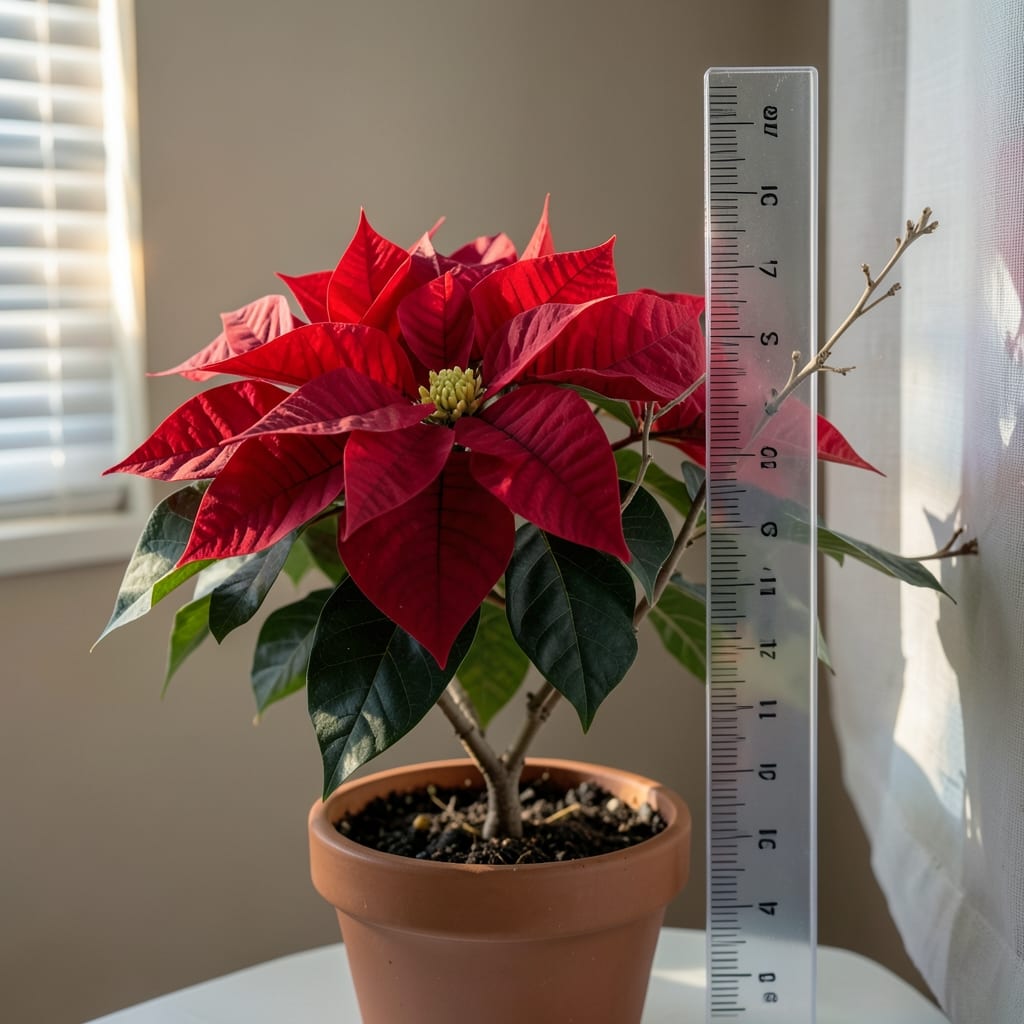
How much light does a poinsettia plant need to keep those iconic red bracts vibrant? If your 🎄 is struggling—drooping, losing color, or stretching like a sleepy cat—light is likely the culprit. Too little, and it fades into a sad green; too much, and those leaves crisp like autumn leaves. The secret lies in bright indirect light, a balance most homes can achieve with just a little know-how.
Think of your poinsettia like a diva: it demands attention but hates harsh spotlight. East or west-facing windows are its sweet spot, offering gentle morning or golden-hour light without the scorching midday rays. But what if your space lacks natural light? Don’t panic—simple adjustments (like rotating the plant or using grow lights) can save your holiday star from an early retirement.
Here’s the game-changer: 6-8 hours of bright, filtered light is the magic number. That means no squinting near south-facing windows (direct sun = leaf burn) and no dim corners (leggy stems = sad vibes). I’ll show you exactly how to spot the signs of light trouble and fix them before your poinsettia throws in the towel.
Ready to turn your poinsettia from "meh" to "wow"? Let’s dive into the easiest ways to give your plant the perfect lighting—whether you’re working with natural light, artificial setups, or that tricky in-between space. Your 🎄 deserves to shine!

Ideal light requirements for poinsettias: bright indirect sunlight explained
Poinsettias thrive on bright indirect sunlight, mimicking their natural understory habitat in Mexico’s highlands. Direct sun acts like a tanning bed—too much causes crispy, brown edges, while too little stretches stems and dulls those signature red bracts. The golden rule is 6-8 hours daily of filtered light, similar to a dappled forest floor.
East or west-facing windows are your best friends, offering gentle morning or late-afternoon rays. South windows work only if you add a sheer curtain to diffuse the intensity. North-facing windows? Too dim—your poinsettia will start looking like it’s suffering from seasonal depression.
Here’s the lighting hierarchy for success:
- East window (morning sun, perfect for growth)
- West window (afternoon warmth, ideal for blooming)
- South window with filter (10-15 feet back from glass)
- Artificial grow lights (if natural light fails)
Seasonal shifts matter too. In winter, when days shorten, supplement with a 15-watt LED grow bulb 6 inches above the plant for 4-6 hours daily. During summer, move your poinsettia away from hot windows—it prefers 70-75°F temperatures and wilts in drafts or near AC vents.
Pro tip: Rotate your plant quarter-turns weekly so all sides get even light. This prevents lopsided growth and ensures those showstopping bracts stay uniformly vibrant. Think of it like giving your poinsettia a full-body spa—balanced light keeps it glowing.
For renters or small spaces, a south-facing window with a white curtain works surprisingly well. The curtain acts like a diffuser, scattering harsh rays into gentle pools of light. Test it by holding your hand near the plant—if you can’t see your shadow clearly, the light’s just right.
Remember: Poinsettias are light-hungry divas, but they hate drama. Avoid fluorescent office lights (too cool) and incandescent bulbs (too warm)—both can distort growth. Stick to full-spectrum LEDs or natural daylight for the best results.
🎄
Ideal light requirements for poinsettias: bright indirect sunlight explained
Poinsettias thrive on bright indirect light, mimicking their natural understory habitat in Mexico. Direct sunlight acts like a tanning bed—too much, and those delicate red bracts will crisp like autumn leaves. The key is filtered light, like the dappled shade of a forest canopy or the gentle glow of an east-facing window.
For peak performance, aim for 6-8 hours of bright indirect light daily. This means positioning your poinsettia near a window but not directly in the sun’s path. South-facing windows can work, but only if your plant sits 6 feet away—any closer, and those leaves will develop sunburned patches faster than a snowman in July.
🌱 Pro Tip: Rotate your poinsettia quarter-turns weekly to ensure even growth. Plants lean toward light sources like sun-worshippers at a beach resort, and uneven exposure leads to lopsided, leggy stems that scream "neglect."
| Light Condition | Ideal Setup | What to Avoid |
|---|---|---|
| Bright Indirect | East/west window, 3-6 ft away; sheer curtain filter | Direct midday sun, south-facing windows without distance |
| Low Light | North window + grow lights (12-14 hrs/day) | Dark corners, basements, or rooms without supplemental light |
| Seasonal Adjustments | Winter: Move closer to window; Summer: Increase shade | Ignoring light changes (e.g., shorter winter days) |
Seasonal shifts matter more than you’d think. During winter’s shorter days, poinsettias crave extra light—move them within 3 feet of a window or supplement with a grow light for 12-14 hours daily. In summer’s long days, they’ll appreciate a sheer curtain to diffuse harsh rays, especially if your home faces south.
💡 Lighting Hack: If your poinsettia’s bracts start fading to green or yellow, it’s not too late! Move it to a brighter spot immediately and watch those colors rebound in 4-6 weeks. Patience is key—poinsettias are dramatic but forgiving.
For apartment dwellers or offices without ideal windows, LED grow lights are a game-changer. Place them 12-18 inches above your plant and run them for 14 hours daily to mimic natural daylight cycles. Just avoid incandescent bulbs—they emit too much heat and can scorch leaves faster than a summer barbecue.