
Light Requirements
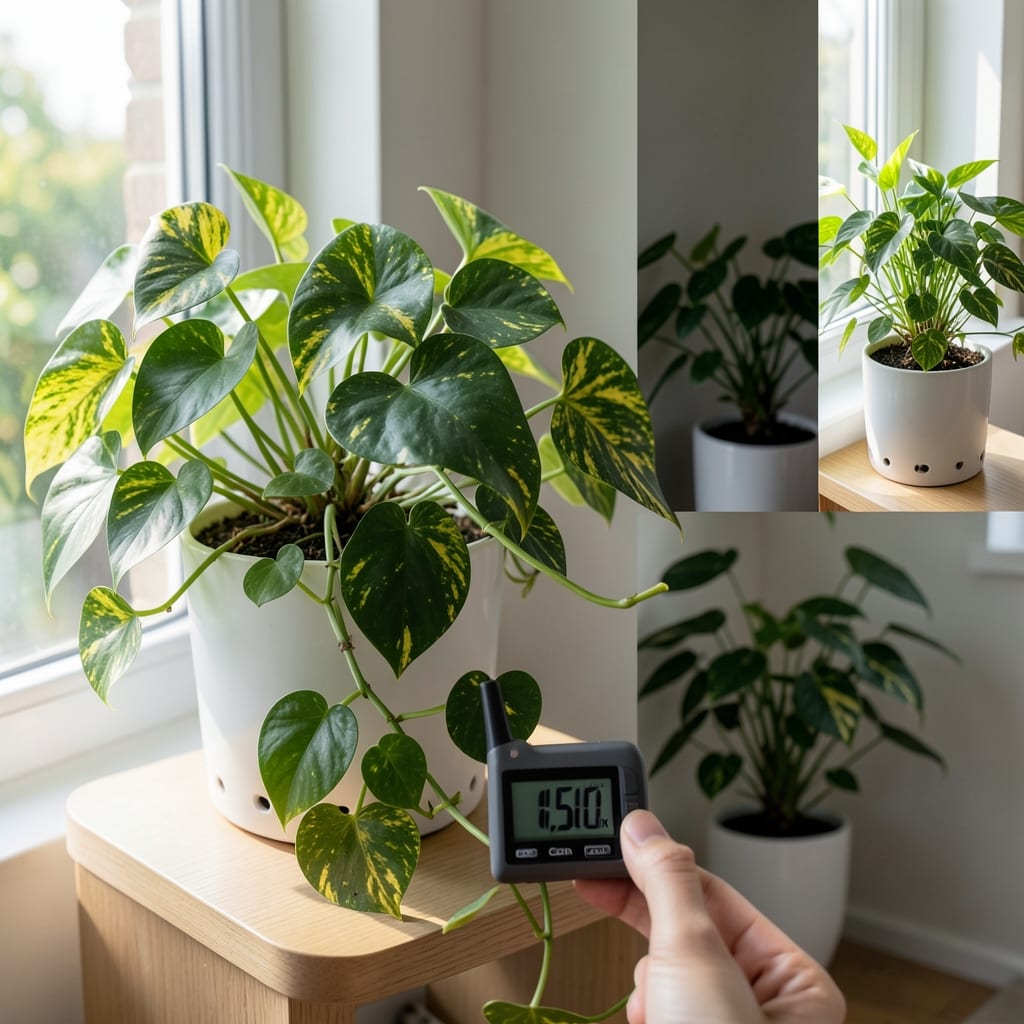
If your 🌿 pothos plant is struggling to thrive, the answer might be simpler than you think—how much light does a pothos plant need to stay lush and healthy? Most people overcomplicate it, but the truth is, this hardy vine is far more adaptable than you’d expect.
Pothos thrives in low to medium indirect light, making it perfect for offices, bathrooms, or even dim corners. Too much direct sun can scorch those beautiful leaves, while too little light slows growth and dulls the color. The key is finding that sweet spot where your plant feels just right—neither starved nor stressed.
I’ve tested different light conditions with my own pothos, and the results might surprise you. Whether you’re dealing with a leggy plant reaching for light or yellowing leaves begging for shade, I’ll show you exactly how to adjust your setup for vibrant, thriving foliage—without guessing.
Let’s break down the ideal light ranges, how to spot the signs of imbalance, and where to place your pothos for maximum growth—no green thumb required. Ready to give your plant the perfect home?

Pothos light requirements: ideal sunlight conditions for growth and health
Pothos plants are famous for their adaptability, but even they need the right light conditions to stay happy. Unlike sun-loving succulents, pothos thrives in low to bright indirect light, making it perfect for homes with limited natural light. The key is understanding the three light zones—low, medium, and bright indirect—and how they affect your plant’s growth.
In low light (under 10,000 lux), your pothos will survive but grow slowly, with longer stems and smaller leaves. This is common in offices or north-facing rooms. Medium indirect light (10,000–20,000 lux), like an east or west window, is ideal for balanced growth. Bright indirect light (over 20,000 lux) near a south window can scorch leaves if direct sun hits them.
I’ve seen pothos plants in fluorescent office lighting thrive for years, proving they’re tougher than most people think. However, pushing them into direct sunlight will cause crispy brown edges, while too little light leads to pale, weak foliage. The goal is to mimic their natural habitat—dappled shade under tall trees.
Here’s how to recognize the perfect balance: healthy pothos leaves are dark green with vibrant variegation, and new growth appears regularly. If your plant looks leggy or sparse, it’s begging for more light. If leaves turn yellow or crispy, it’s getting too much.
One trick I swear by is rotating your pothos every 2–3 weeks. Plants stretch toward light sources, so turning them ensures even growth. If you notice one side darker than the other, it’s time to rotate! This also prevents that awkward "leggy" look that makes pothos seem neglected.
For variegated pothos (like 'Golden' or 'Marble Queen'), light matters even more. These varieties need slightly more brightness to maintain their striking patterns. If the white or yellow parts fade to green, it’s a sign they’re not getting enough light. A simple fix: move them to a sunnier spot or supplement with a 12-hour grow light.
Pro tip: If your home lacks natural light, a LED grow light on a timer (12–14 hours/day) can work wonders. I’ve used affordable full-spectrum bulbs to keep my pothos thriving in a dim basement. Just avoid incandescent bulbs—they generate too much heat and can damage leaves.
Remember, pothos are forgiving. Even if you’ve overwatered or ignored them for weeks, adjusting the light can often bring them back to life. Start with small changes—move them a few inches closer to a window or add a sheer curtain—and observe how they respond over 2–4 weeks.
Signs your pothos isn’t getting enough (or too much) light
Your pothos plant speaks volumes through its leaves—literally. When the light levels are off, it sends clear visual signals that something’s wrong. The key is learning to read these cues so you can adjust before permanent damage occurs. I’ve seen pothos plants recover from neglect, but the sooner you act, the better the results.
If your pothos develops long, leggy stems with sparse leaves, it’s a classic sign of light starvation. This happens when your plant stretches toward whatever light source it can find, often creating that unattractive "spaghetti vine" look. The leaves may also appear smaller than usual and lack the rich color they’re known for. This isn’t just cosmetic—it means your plant is struggling to photosynthesize efficiently.
🌱 Pro Tip: If you notice this, move your pothos to a brighter spot immediately. Even a few extra inches closer to a window can make a difference. For severe cases, supplement with a 12-hour grow light placed 6–12 inches above the plant. I’ve revived multiple leggy pothos plants using this method within just 4–6 weeks.
On the opposite end, too much direct sunlight causes brown, crispy patches on the leaf edges—a sure sign of sunburn. This often happens when pothos sits too close to a south-facing window without protection. The leaves may also develop a bleached or white appearance in severe cases, losing their vibrant green hues. If you see these symptoms, move your plant away from the window or add a sheer curtain to diffuse the light.
Another red flag is when variegated pothos varieties (like 'Marble Queen' or 'Neon') lose their white or yellow patterns, turning completely green. This is your plant’s way of saying, "I need more light to maintain my colors!" Variegated leaves contain less chlorophyll, so they rely on extra brightness to stay striking. If you notice this, find a spot with bright indirect light or use a grow light for 6–8 hours daily.
💡 Quick Fix: If your pothos is showing multiple signs of stress, start with these steps: 1. Rotate the plant 90 degrees to see if one side is more affected. 2. Check the soil moisture—overwatering mimics light issues. 3. Observe for 3–5 days to see if new leaves improve or worsen.
Remember, pothos are resilient, and most light-related issues are reversible with quick action. The goal isn’t perfection—it’s finding that sweet spot where your plant feels comfortable. Start with small adjustments, monitor the changes, and don’t hesitate to experiment. Your pothos will thank you with lush, vibrant growth in no time!