
Plants
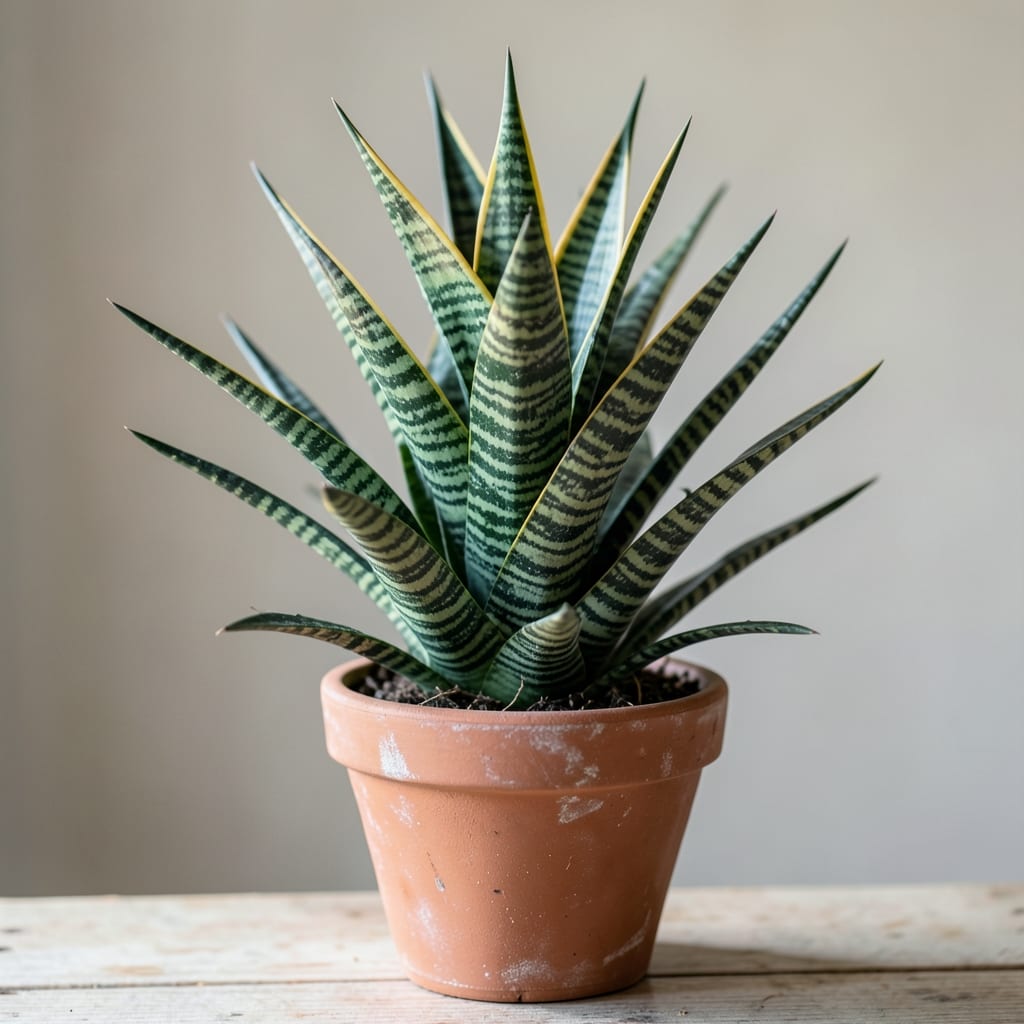
Optimal light requirements for rattlesnake plants: the 4–6 hour rule
Your rattlesnake plant (Calathea orbifolia) thrives in bright, indirect light—think of it as mimicking its natural habitat under a forest canopy. This means 4–6 hours of filtered sunlight daily, ideally from an east-facing window where morning light is gentler. Too much direct sun causes brown leaf tips, while insufficient light fades those stunning patterns.
The key is diffused sunlight. If your plant gets harsh afternoon sun (especially from south-facing windows), its leaves will scorch within days. Instead, position it 3–5 feet from a window with sheer curtains to soften the light. For indoor growers, LED grow lights on a timer (12–14 hours/day) work wonders during winter’s low-light months.
Watch for these light stress signals: yellowing leaves mean too little light, while crispy brown edges signal sunburn. Rotate your plant quarter-turns weekly to ensure even growth—uneven light exposure causes lopsided foliage. Pro tip: Humidity matters too—keep it above 50% to prevent leaf damage from dry air.
Rattlesnake Plant Light Requirements
| Requirement | Specification |
|---|---|
| Light Type | Bright indirect (morning sun preferred) |
| Daily Exposure | 4–6 hours |
| Best Window | East-facing (or north-facing) |
| Distance from Window | 3–5 feet (with sheer curtain) |
| Humidity Level | 50%+ (use pebble tray if needed) |
| Grow Light Alternative | 12–14 hrs/day LED (cool white) |
Seasonal adjustments are crucial. In spring and summer, your rattlesnake plant can handle up to 3 hours of morning direct sun, but afternoon rays are toxic. Move it back from the window by noon if leaves start crisping. During fall and winter, supplement with a grow light if natural light drops below 4 hours daily—fluorescent bulbs won’t cut it.
Myth-busting time: North-facing windows are actually ideal for rattlesnake plants, offering consistent indirect light all day. South-facing windows? Never—they deliver intense midday sun that burns leaves within hours. West-facing windows work only if your plant gets no direct sun after 2 PM. For city dwellers, rotating plants every 2 weeks ensures balanced growth.
If your rattlesnake plant’s leaves are losing their pattern, it’s starving for light. Move it closer to the window (but not in direct sun) and increase humidity with a misting spray or pebble tray. For new growth, place seedlings under a grow light for 14 hours/day until they’re established—this prevents leggy, weak stems. Remember: patience is key—adjustments take 2–4 weeks to show results.
Pro growers swear by this trick: Place your rattlesnake plant on a rotating plant stand near an east window. This ensures even light exposure on all sides, preventing the plant from leaning toward the light. Pair this with weekly misting (especially in dry climates), and you’ll see those iconic patterns pop in just a few weeks. 🌿
How to adjust light for your rattlesnake plant’s growth stage
Your rattlesnake plant’s light needs change dramatically as it grows. Seedlings crave bright, indirect light for 12–14 hours/day—use a grow light on a timer to prevent leggy stems. Place them 6–12 inches from the light source, rotating daily to avoid stretching toward one side. Without enough light at this stage, new leaves emerge small and pale, losing those prized patterns.
Once your rattlesnake plant reaches mature size (1–3 feet), dial back to 4–6 hours of filtered light daily. This is where window placement becomes critical. An east-facing window delivers perfect morning sun, while a north-facing window provides gentle all-day light. Avoid west-facing spots—afternoon sun turns leaves crispy within 24 hours. For south-facing windows, position your plant 5+ feet away or use a sheer curtain.
Light Danger Zone: What Kills Rattlesnake Plants Fast
❌ South-facing windows = instant leaf burn (move immediately if leaves crisp).
❌ Fluorescent bulbs cause yellowing (use LED grow lights instead).
❌ Direct afternoon sun = brown edges in 48 hours (rotate plant away by noon).
During winter months, natural light drops below 4 hours daily—supplement with a cool-white LED grow light for 12 hours/day. Place it 12–18 inches above your plant and adjust height as leaves grow. Skip cheap fluorescent bulbs—they emit too little blue spectrum, causing stunted growth. For mature plants, reduce light to 6 hours/day in winter to mimic shorter days.
Pro tip: Use a plant light meter (under $20) to check light intensity. Your rattlesnake plant thrives at 1,000–2,000 foot-candles—any higher risks sunburn. If your home lacks ideal windows, create a DIY light tent with a white sheet and a clip-on grow light. This diffuses light perfectly while keeping humidity high.
Watch for seasonal light shifts: In spring, extend exposure to 6 hours/day as days lengthen, but never let it bake in direct sun. In fall, reduce to 4 hours/day to prevent overgrowth before dormancy. For new leaves, increase humidity to 60%+—dry air makes them curl and crisp even with perfect light.
Remember: patience is key. Adjustments take 2–4 weeks to show results. If your rattlesnake plant’s leaves lose pattern, it’s begging for more light—move it closer to the window (but never in direct sun). For revival, pair light fixes with weekly misting and a pebble tray. With the right balance, those stunning patterns will return in 3–6 weeks. 🌿