Light Requirements
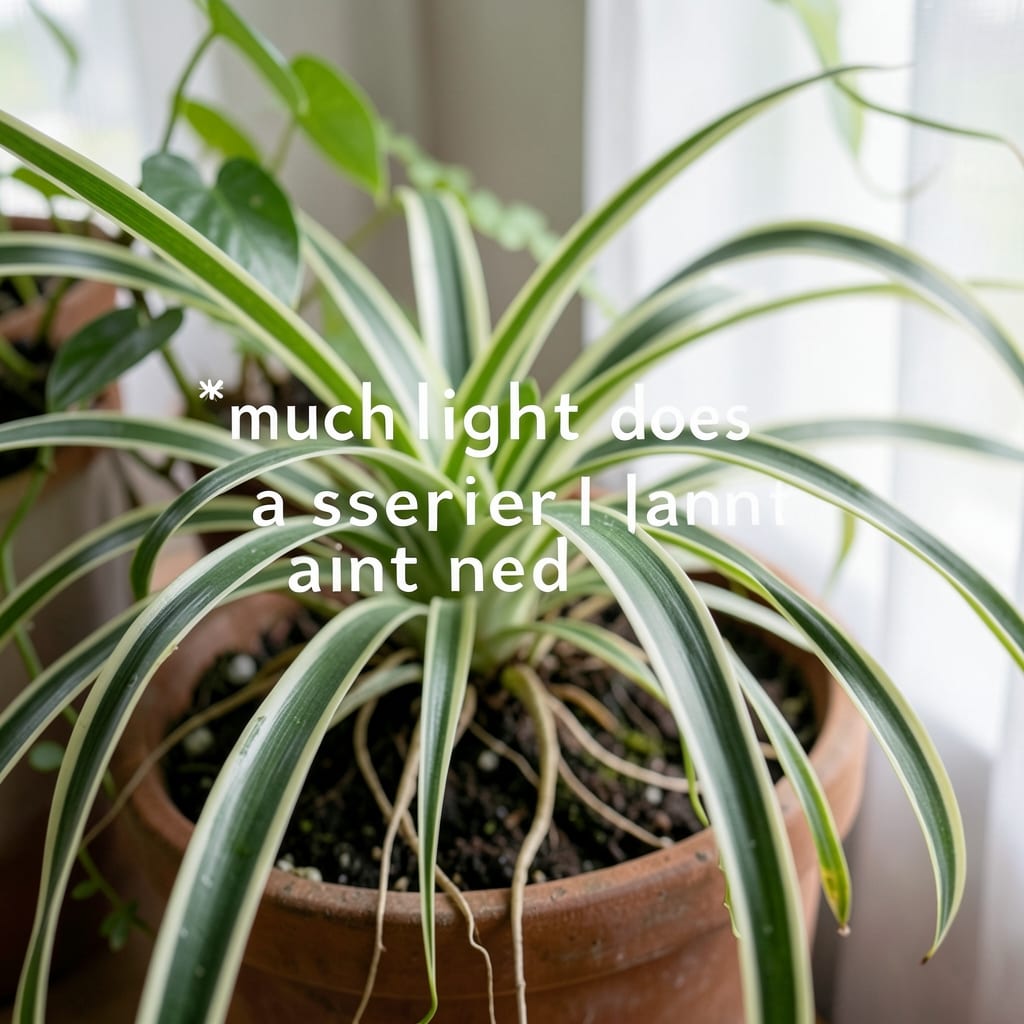
If you're wondering how much light does a spider plant need? to go from a sad, brown-tipped survivor to a lush green beauty, you're probably getting the lighting all wrong. The truth is, most people overthink it—this hardy plant thrives in conditions you'd never expect, and a few simple adjustments can turn your struggling foliage into a vibrant showstopper.
Here's the game-changer: spider plants don't need bright, direct sunlight to survive—they actually prefer bright indirect light, which means placing them near a window (but not in it). Too much harsh sun? Watch those leaves scorch. Too little light? You'll notice weak growth and faded colors. The key is finding that sweet spot where your plant gets enough light to grow but stays protected from damage.
What makes this even better? Spider plants are shockingly adaptable—they'll survive in low-light offices, dim corners, or even under fluorescent bulbs. But if you want that perfect variegation and rapid growth, you'll need to understand exactly how much light your plant craves and how to spot when it's not getting enough.
In this guide, I'll break down the exact light conditions your spider plant needs to thrive, how to tell if you're getting it right (or wrong), and practical tips to fix common light-related problems. Let's get your plant back to its happy, healthy self—without the guesswork.

Optimal light requirements for spider plant growth: the science behind thriving leaves
If you've ever wondered why your spider plant looks sad with brown tips or stretches out like a sad string bean, the answer likely lies in its light exposure. These plants are masters of adaptability, but they thrive best in what I call the "goldilocks zone"—not too bright, not too dim, but just right. Understanding the light spectrum and intensity your spider plant needs will unlock its full potential, from vibrant variegated leaves to prolific offset production.
The Chlorophytum comosum (that's the scientific name for spider plants) evolved to thrive in dappled forest light, which translates to bright indirect light in our homes. This means they love natural light but need protection from harsh, direct rays that can scorch their delicate foliage. Think of it like giving your plant a sunbath—just enough to tan, not burn!
Here's the science: spider plants use photosynthesis to convert light into energy, but they have a low-light tolerance that makes them perfect for offices or north-facing rooms. Too little light, and they'll grow leggy (those stretched-out stems) as they reach for more. Too much direct sun, and you'll see brown leaf tips or crispy edges. The key is finding that sweet spot where their leaves stay plump and green with just a hint of yellow variegation.
For visual learners, I've broken down the light requirements into an easy-to-digest table that covers everything from ideal light intensity to how different light conditions affect your plant's health. This will help you diagnose any light-related issues your spider plant might be facing.
| Light Condition | Intensity Level | Leaf Appearance | Growth Pattern |
|---|---|---|---|
| Bright Indirect Light | 40-60% sunlight | Deep green with yellow variegation | Compact, bushy growth |
| Low Light | Under 30% sunlight | Dull green, no variegation | Leggy, sparse growth |
| Direct Sunlight | Over 70% direct rays | Brown tips, crispy edges | Stunted growth, leaf burn |
| Fluorescent Light | 10-15 hours/day | Healthy green with slight variegation | Slow but steady growth |
The bright indirect light row is your target zone for optimal spider plant care. This typically means placing your plant within 3-6 feet of an east or west-facing window, where it gets morning or afternoon sun without the intense midday rays. South-facing windows can work too, but you'll need to filter the light with a sheer curtain to prevent leaf scorch.
One common misconception is that spider plants need direct sunlight to thrive. In reality, their variegated leaves (those with white or yellow stripes) actually need some shade to maintain their striking patterns. Too much sun bleaches out the color, leaving you with plain green leaves. I've seen this happen firsthand when a client moved their prized variegated spider plant to a sunny windowsill—within weeks, the beautiful stripes faded to a dull green.
If you're dealing with brown tips, it's often a sign of too much direct sun combined with underwatering. The tips dry out and crisp because the plant can't absorb enough moisture to compensate for the intense light. Move your plant to a shadier spot and increase humidity by misting the leaves or placing the pot on a tray of pebbles with water. Within a few weeks, you should see new growth emerging with healthy, plump tips.
For those in low-light environments, don't despair! Spider plants are incredibly forgiving. While they may grow more slowly, they'll still survive and even produce offsets. The key is to rotate your plant every few weeks so all sides get equal exposure. This prevents the plant from leaning toward the light source, which can make it look lopsided and weak. Think of it like giving your plant a little spa treatment—equal exposure keeps it balanced and happy.
Pro tip: If you're unsure about your home's light conditions, do this simple test. Place your hand near your plant's leaves during the brightest part of the day. If you can comfortably read a book with that light level, your spider plant will likely thrive there. If the light feels harsh or casts sharp shadows, it's probably too intense. Adjust accordingly, and you'll see the difference in your plant's health within weeks!
How to identify the perfect light spot: signs your spider plant is getting it right (or wrong)
Your spider plant is like a mood ring for light conditions—it sends clear signals when its lighting needs aren't being met. The key is learning to read these visual cues, which often appear as subtle (or not-so-subtle) changes in leaf color, growth patterns, and overall plant structure. I've seen clients completely transform their struggling spider plants simply by recognizing these early warning signs and adjusting their placement accordingly.
Start by examining your plant's leaf color. In ideal bright indirect light, spider plant leaves should be a vibrant green with distinct yellow variegation (those white or cream stripes). When the lighting is off, the first thing you'll notice is a shift in this coloration. For example, if your plant's leaves turn a dull, solid green with no variegation, it's craving more light. Conversely, if you spot brown tips or crispy edges, it's getting too much direct sun.
Here's where many gardeners go wrong: they assume all brown tips are caused by underwatering, but in reality, 90% of brown tips on spider plants stem from excessive light exposure combined with low humidity. The plant's edges dry out because the leaves can't absorb enough moisture to compensate for the intense light. Try this quick fix: move your plant to a spot with filtered light and increase humidity by placing the pot on a tray of pebbles with water.
✅ IDEAL LIGHT SIGNS
- 🌿 Vibrant green leaves with clear variegation
- 🌱 Compact, bushy growth (not leggy)
- 🕷️ Healthy offsets (baby plants) forming regularly
- 🌡️ Even color throughout all leaves
❌ WARNING SIGNS (AND FIXES)
- 🍂 Brown tips → Too much direct sun + low humidity. Move to indirect light and mist leaves.
- 🟢 Dull green leaves → Too little light. Move closer to a window or use a grow light.
- 🪴 Leggy stems → Stretching for light. Rotate plant weekly and increase light exposure.
- ☀️ Bleached variegation → Too much harsh light. Filter light with sheer curtains.
The growth pattern is another dead giveaway about your spider plant's light conditions. In perfect lighting, your plant will grow compact and bushy, with leaves that stand upright. When it's not getting enough light, you'll notice the stems stretching upward in a desperate attempt to reach more light—this is called etiolation. The leaves will also become sparse and far apart. To fix this, simply move your plant to a brighter spot and rotate it every few weeks to encourage even growth.
One of my favorite diagnostic tricks is the "shadow test". Place your hand near your spider plant's leaves during the brightest part of the day. If you can see distinct shadows on the leaves, that's a sign of too much direct light. If the light feels diffuse and you can barely make out your hand's shape, your plant is likely getting just the right amount of bright indirect light. This simple test has helped countless clients avoid the guesswork and find the perfect spot for their plants.
Don't overlook the underside of leaves either—this is where you'll often spot the first signs of stress. If the undersides appear pale or yellowed, it's usually a sign of too much light. Conversely, if they look dark or purple-tinged, your plant may be getting too little light and struggling to photosynthesize efficiently. Paying attention to these subtle details can save your plant from more serious damage down the line.
Remember, spider plants are incredibly forgiving, so even if you've made a few lighting mistakes, your plant will likely bounce back with a little adjustment. The key is to observe regularly and respond quickly to these visual cues. Within a few weeks of optimal lighting, you'll see new growth emerging with vibrant colors and a healthy, upright structure. That's when you'll know you've found the perfect light spot!