
Companion Plants
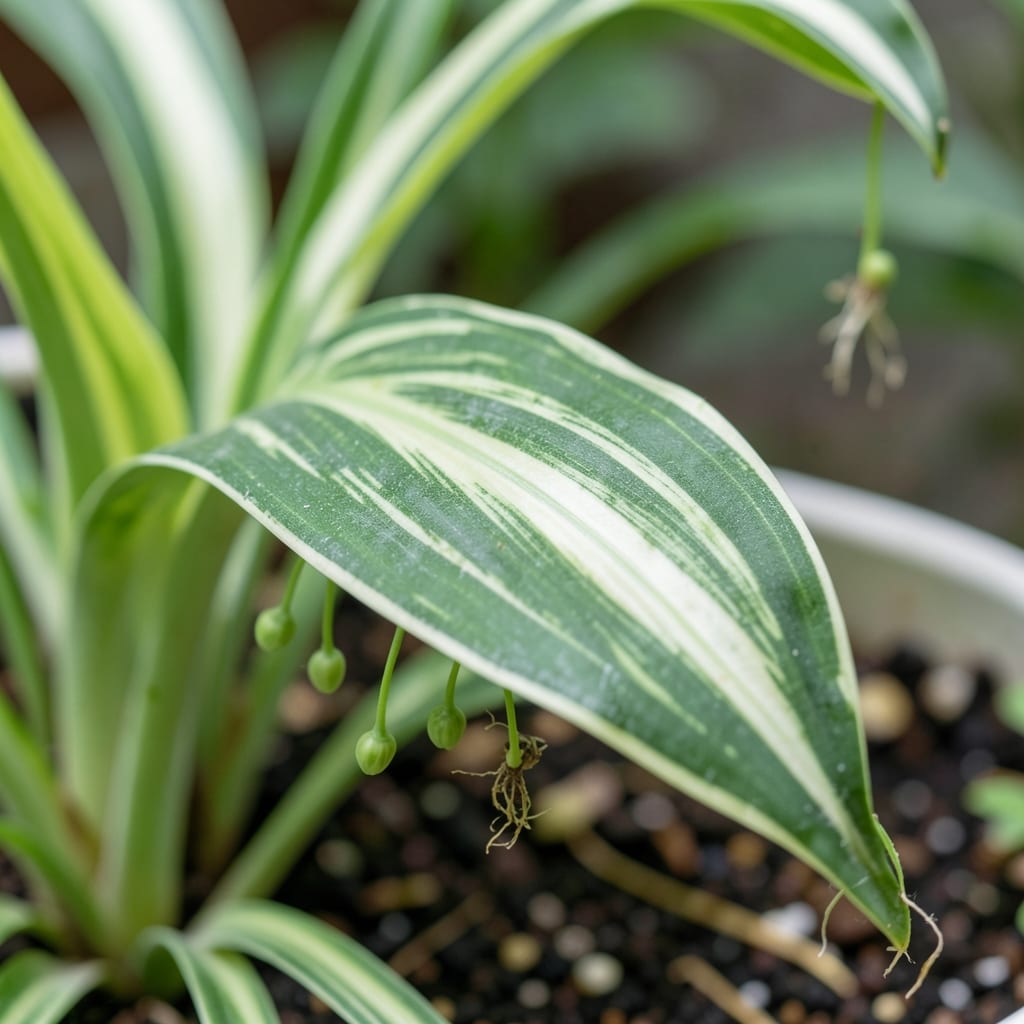
If your 🕷️ Spider Plant is looking more like a sad, crispy mess than a lush green beauty, you might be getting how much light does a spider plant require wrong. The truth is, these hardy plants thrive in conditions most people overcomplicate—bright but indirect light is their sweet spot, and too much sun or too little shade can turn your leafy friend into a cautionary tale.
You don’t need a greenhouse to keep your Spider Plant happy—just a little strategy. Whether you’re dealing with a dim office corner or a sunny south-facing window, understanding the right balance can mean the difference between a plant that barely survives and one that flourishes year-round. Let’s break down exactly how much light your Spider Plant needs and where to place it for the best results.
Many plant owners assume Spider Plants can handle anything, but the reality is more nuanced. Too much direct sunlight leads to brown tips and crispy edges, while too little light results in pale, leggy growth that struggles to stay upright. The key is finding that golden middle ground—where your plant gets enough brightness to stay vibrant without getting sunburned.
In this guide, I’ll walk you through the ideal light conditions, how to spot signs of over- or under-exposure, and even some clever workarounds for low-light spaces. By the end, you’ll know exactly where to position your Spider Plant—whether indoors or outdoors—to keep it thriving for years.


Spider plant light requirements: ideal brightness levels explained
Spider Plants (Chlorophytum comosum) are famously adaptable, but their light needs are often misunderstood. Unlike sun-loving succulents, they thrive in bright indirect light, making them perfect for most indoor spaces. The key is avoiding harsh direct sunlight, which can scorch those iconic striped leaves. I’ve found that placing mine 2-3 feet from an east or west-facing window gives them the ideal balance of light without overheating.
Think of their light preference as a medium-rare steak—not too much, not too little, just right. North-facing windows provide softer light, while south-facing windows can be too intense unless filtered through sheer curtains. Even offices with fluorescent lighting can work, though natural light is always better. My low-light office plant has survived for years under fluorescent bulbs, though it grows slower than its sun-kissed cousins.
Here’s the golden rule: 4-6 hours of bright indirect light daily is ideal, but they’ll tolerate as little as 2 hours if you supplement with occasional direct light. The trick is monitoring their response—if the leaves start stretching toward the light, it’s a cry for more. Conversely, crispy brown edges mean it’s getting too much sun. I’ve made this mistake more times than I’d admit, but now I rotate my plants every few weeks to ensure even growth.
| Light Condition | Ideal Placement | Growth Impact | Best For |
|---|---|---|---|
| Bright Indirect Light (40-60%) | East/West windows, 2-3 ft away | Vibrant leaves, healthy growth | Home offices, living rooms |
| Low Light (20-30%) | North windows, artificial grow lights | Slower growth, pale leaves | Bathrooms, dim hallways |
| Direct Sunlight (70%+) | South windows, unfiltered | Brown tips, leaf burn | Avoid—use sheer curtains |
Seasonal changes can throw off your Spider Plant’s light balance, especially during winter when daylight shrinks. I’ve noticed mine stretching toward windows in December, a clear sign they need more light. This is when I pull them closer to the window or add a simple LED grow light for a few hours a day. Even a 12-inch fluorescent bulb placed 12 inches above the plant can make a world of difference in low-light months.
Window type matters more than you’d think. East-facing windows provide gentle morning light, perfect for Spider Plants, while west-facing windows offer afternoon warmth without the harsh midday sun. If you’re stuck with a north-facing window, don’t despair—just place the plant within 1-2 feet of the glass to maximize what little light comes in. My north-facing bathroom plant thrives here, though it’s smaller and grows more slowly.
Pro tip: Rotate your Spider Plant quarter-turns every 2-3 weeks to prevent lopsided growth. I learned this the hard way when my plant leaned dramatically toward the window like a sunflower. Even distribution ensures those arching leaves stay symmetrical and healthy. It’s a small effort that pays off in big, bushy foliage.
For those with south-facing windows, use sheer curtains or a light-colored blind to diffuse the intensity. Direct sunlight through clear glass acts like a magnifying glass, burning leaves within hours. I’ve seen this happen to neighbors’ plants, and the damage is irreversible. If you love natural light but have a south exposure, consider placing your Spider Plant across the room where the light is softer.
Outdoor Spider Plants can handle partial shade in gardens, especially in hot climates where afternoon sun is brutal. I’ve grown them under dappled shade trees with great success—they tolerate 30-50% shade without stress. Just avoid deep shade, where they’ll struggle to photosynthesize and may stop producing those adorable spiderettes (pups).
Remember, Spider Plants are forgiving, but they’ll always tell you when something’s off. Pay attention to their leaves—they’re like little mood rings for your plant’s happiness. With the right light, yours will reward you with lush, striped foliage and maybe even a few pups to propagate. Now go give your plant the perfect glow it deserves! 🌿
Signs your spider plant isn’t getting enough (or too much) light
Your spider plant 🕷️ might be silently begging for help—through its leaves! Brown tips or crispy edges often signal too much direct sunlight, while pale, yellowing foliage or stunted growth mean it’s craving more brightness. Learning these visual cues helps you adjust care before damage becomes permanent.
Over-exposure causes sunburn, turning leaves white or brown along the edges. This happens when your plant sits too close to a south-facing window or under harsh afternoon rays. Move it 3-4 feet away or filter light with a sheer curtain to protect those delicate leaves.
On the flip side, under-lit spider plants develop long, leggy stems as they stretch toward light sources. Their leaves may also lose variegation (those pretty stripes fade to solid green). If this happens, rotate your plant weekly to ensure even exposure or supplement with a grow light for 6-8 hours daily.
🌱 Light Issues & Fixes
- Brown, crispy leaf tips
- White/yellow patches
- Stunted new growth
- Pale, yellow leaves
- Leggy, stretched stems
- Loss of variegation
Seasonal changes complicate things—winter’s weaker light often triggers legginess, while summer’s intense rays can scorch leaves. Rotate your plant every 2-3 weeks to balance growth, and watch for signs like drooping leaves (a cry for water and light adjustments).
Pro tip: Test your spot by placing your hand near the plant. If it feels warm but not scorching, it’s likely bright indirect light—perfect for spider plants. If it’s cool, boost light; if it’s hot, move away from the window immediately.
Remember, spider plants are forgiving but not indestructible. Small adjustments—like rotating the pot or trimming damaged leaves—can revive even the most neglected plant. Pay attention, and your spider plant will reward you with vibrant stripes and happy pups!